2026 Top LED Screen Trends for Global Buyers to Consider
The LED Screen market is evolving rapidly. According to a recent report by MarketsandMarkets, the global LED screen market is expected to reach $106.45 billion by 2025, growing at a CAGR of 12.4%. This growth highlights the demand for high-quality visual displays across various sectors, including advertising, entertainment, and events.
As global buyers explore LED screen options, trends are emerging that reflect changes in technology and consumer preferences. Flexible displays and higher resolutions are gaining prominence. Additionally, energy efficiency and sustainability remain critical factors. However, many buyers still overlook the importance of choosing reliable vendors.
Investing in LED screens requires careful consideration of the latest innovations and market dynamics. Understanding these trends can provide a competitive edge. Buyers should focus on not only the specifications but also the brand reputation and after-sales service. The future of LED screens is bright, yet navigating this landscape demands informed decisions.
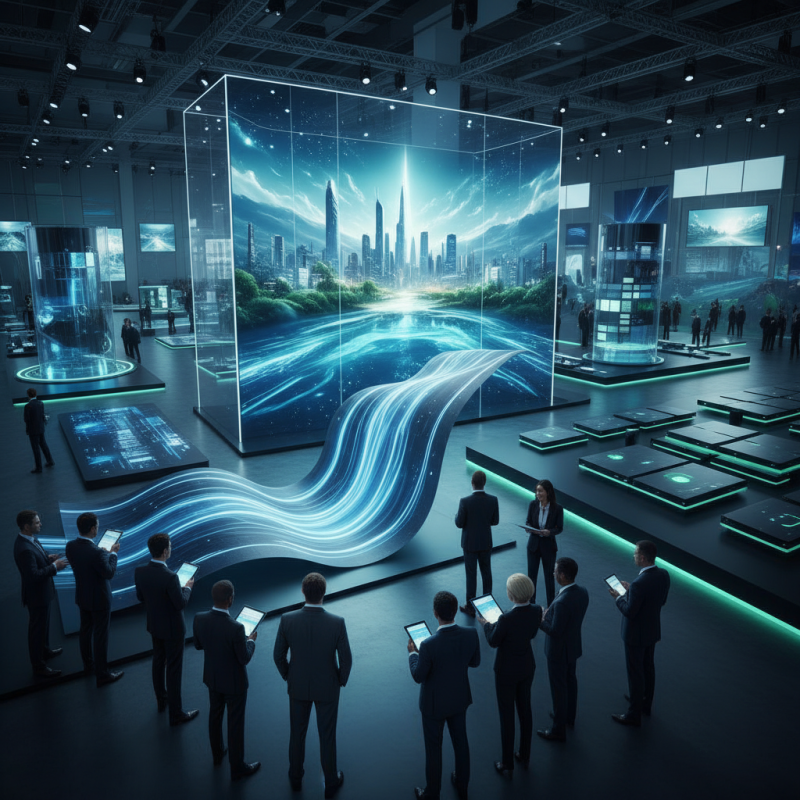
Emerging Technologies in LED Screens for 2026 Global Buyers
As we venture into 2026, the landscape of LED screens is evolving rapidly, driven by innovative technologies. One major shift is the introduction of advanced micro-LED displays. These screens boast incredible brightness, improved color accuracy, and energy efficiency. This advancement could resonate well with buyers aiming for high-impact presentations. The smaller pixel pitch allows for seamless images, enhancing viewing experiences in diverse settings, from retail stores to large-scale events.
Additionally, flexible LED panels are gaining traction. These malleable screens can be integrated into various structures, offering unique display solutions. Buyers might find such versatility appealing for creative installations. However, the production cost remains a consideration. While these panels can transform environments, their pricing might be a barrier for some. Exploring cost-effectiveness will be crucial for global buyers in this shifting market.
Remote monitoring and control systems for LED displays are on the rise. These systems allow real-time adjustments, improving responsiveness to audience engagement. Yet, there's a learning curve for many organizations. Familiarizing themselves with these systems will be necessary for optimal utilization. Balancing cutting-edge technology with user-friendly interfaces is essential for future innovation in this field.
Trends in Energy Efficiency and Sustainability for LED Displays
The LED display industry is embracing energy efficiency and sustainability. Reports indicate that energy costs account for a significant portion of operating expenses for LED screens. In fact, switching to energy-efficient LED technology can reduce energy consumption by up to 60%. This shift not only minimizes utility bills but also lowers carbon footprints.
Sustainability is more than just energy savings. Many LED manufacturers are adopting circular economy principles. This approach involves using recyclable materials and designing products for longevity. Research shows that sustainable manufacturing practices can enhance brand reputation and attract eco-conscious consumers. However, ensuring that all materials are truly renewable and recyclable remains a challenge.
As the demand for greener technology grows, buyers face choices. Many products still rely on harmful components. The shift towards fully sustainable LEDs is ongoing but requires constant reflection and improvement. The industry must address these gaps to meet rising consumer expectations while adhering to environmental standards. The journey toward energy-efficient and sustainable LED displays is complex, but essential for future growth.
Innovative Design Features of LED Screens in 2026
The LED screen market is rapidly evolving. In 2026, several innovative design features stand out for global buyers. The emphasis on flexibility allows screens to adopt various shapes and sizes. This adaptability opens new possibilities for creative advertising and installations.
Another noteworthy trend is enhanced resolution. With 8K displays becoming more common, the clarity is stunning. This improvement presents opportunities for immersive experiences in retail and entertainment sectors. Buyers should evaluate how high-definition displays can attract attention effectively.
**Tips:** When selecting LED screens, consider the environment. Brightness and contrast ratio matter for visibility. Pay attention to energy efficiency ratings. This aspect can influence long-term costs. Lastly, think about future-proofing your investment. The technology will continue to advance, so choose solutions that can adapt to changes.
2026 Top LED Screen Trends for Global Buyers to Consider
| Trend | Description | Potential Impact | Adoption Rate |
| Flexible Designs | LED screens that can be bent and shaped to fit various surfaces. | Enhances creativity in installations, suitable for unique architectures. | High |
| High Resolution | 4K and 8K resolution screens providing ultra-clear imagery. | Ideal for immersive experiences in large venues. | Medium |
| Eco-friendly Technology | LED screens designed with sustainable materials and energy-efficient processes. | Reduction in carbon footprint, appealing to environmentally-conscious buyers. | Growing |
| Lightweight Models | Ultra-lightweight designs for easy transportation and installation. | Increases market accessibility for various events and applications. | High |
| Smart Connectivity | Integration with smart systems for seamless operation. | Optimizes user experience and allows remote management. | High |
Market Demand Insights for LED Screen Applications Globally
The demand for LED screens continues to grow globally, driven by advancements in technology and changing consumer preferences. Businesses and organizations are recognizing that high-quality visuals can enhance audience engagement. From retail displays to event backdrops, LED screens are essential for creating impactful experiences.
In 2026, buyers should focus on versatility and sustainability. LED screens are being used creatively in settings like museums and art installations. However, not all displays are created equal. Some may struggle with performance in bright environments. Buyers need to prioritize reliable manufacturers with solid track records.
Another area of concern is energy consumption. While LED screens are generally more efficient than other technologies, continuous usage can lead to increased costs. Exploring energy-saving options is crucial for long-term viability. Collaborating with knowledgeable suppliers can help buyers make informed decisions, ensuring that selected screens meet their specific needs effectively. Engaging in discussions about trends can foster deeper insights into the evolving landscape of LED applications.
Competitive Landscape and Key Players in LED Screen Industry
The LED screen industry is evolving rapidly. Key players in this market are diversifying their offerings to meet changing demands. Competitive pressure drives innovation and enhances product quality. As buyer preferences shift, manufacturers must adapt quickly to stay relevant.
Advanced technologies are enabling manufacturers to create stunning displays. Enhanced resolution and color accuracy are becoming standard. Sustainable practices are also gaining traction. However, challenges remain. Supply chain disruptions can hinder production efficiency. Buyers must stay informed and flexible.
Emerging companies are reshaping the landscape. They often bring fresh ideas, but may lack experience. Established players provide reliability, yet can be slow to adapt. Balancing innovation with dependability is essential for buyers. Understanding these dynamics can empower informed purchasing decisions.