2026 Top Rechargeable Headlamps for Buyers
A headlamp earns trust in the dark, not on a product page. For buyers comparing the 2026 lineup, the right choice depends on real tasks: walking a dim trail, fixing a loose tent pole, or finding keys with cold fingers. A Headlamp Rechargeable model can reduce disposable-battery use and simplify packing, but charging convenience alone does not make a light dependable.
Mountaineer Ed Viesturs has said, “Getting to the top is optional. Getting down is mandatory.” His reminder speaks to preparation, including carrying lighting that suits the route and having a backup plan. It is not a product endorsement. For rechargeable headlamps, practical checks include beam shape, comfortable fit, accessible controls, charging-port protection, and usable runtime at the brightness you actually need. A bright specification can look impressive. Cold weather and high output may shorten real-world runtime.
Small details matter. Can you dim the beam without cycling through blinding modes? Does the strap stay put when you look down? Can you check battery status before leaving? This guide compares leading options through those everyday questions, alongside brightness, weight, charging, and value. Product claims vary, and testing conditions are rarely identical, so no single ranking fits every buyer. That is worth remembering. Choose for your routine, and carry backup light when the consequences of darkness are serious.
What Defines a Rechargeable Headlamp in 2026?
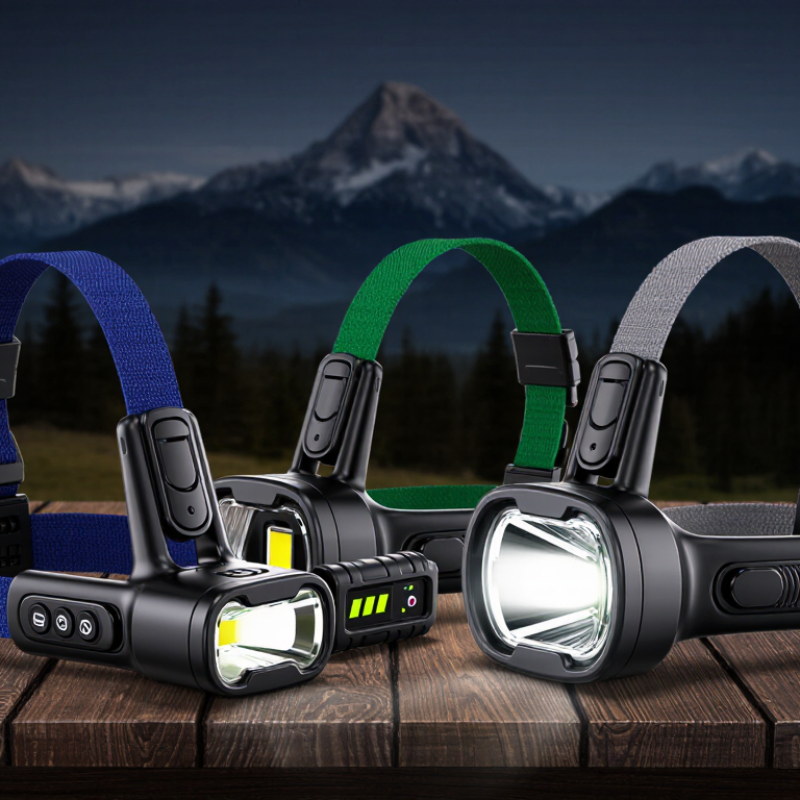
In 2026, a rechargeable headlamp is defined less by a headline lumen number than by dependable light, charging, and fit. USB-C charging is convenient, but port compatibility and charging time still matter on a trip. Look for runtime figures at each brightness level; maximum output can drop quickly as the battery drains. A low mode that lasts through a late walk may be more useful than a brief, dazzling beam. Small details count. A charge indicator, secure tilt hinge, and glove-friendly switch reduce fumbling when hands are cold. Beam shape matters too: a broad flood helps with nearby tasks, while a focused center reaches farther along a trail.
Check the stated water-resistance rating and the conditions used for testing, rather than assuming “weatherproof” means suitable for every downpour. Battery performance can also weaken in cold conditions, so a practical design should be easy to manage with gloves and simple to recharge between outings. In everyday use, comfort matters: a lamp that bounces on your forehead can become irritating before its battery runs out. I would not choose by brightness alone. A replaceable battery can be useful on longer trips, but it may add weight; an integrated battery keeps the design simpler, though charging access becomes more important. No single setup fits every buyer.
Key Features and Specifications Buyers Should Compare
When comparing rechargeable headlamps, look beyond the maximum lumen figure. That number may describe a brief high-output mode, not the light you get throughout a walk or repair. Check the beam. A wide flood helps with nearby tasks, while a focused spot reaches farther along a trail. A model offering both can be more useful, but its controls should remain easy to operate with gloves.
Compare runtime at more than one brightness level, and note how test conditions are defined. Battery capacity, measured in milliamp-hours, adds context, but it does not predict runtime alone; output settings and temperature matter. USB-C charging may suit shared cables, while a charge indicator helps prevent surprises. Look for stated water-resistance ratings and read what they cover. Rain exposure is not the same as immersion. Weight matters too: a few extra ounces can pull on the forehead during a long shift.
Judge comfort with the strap adjusted, not just from product photos. A tilting lamp should hold its angle when you look down at a map or workbench. Check whether the battery is built in or replaceable, and whether the lamp can run while charging. Small details count. Specifications can still be incomplete, and advertised runtime may feel optimistic in cold weather. Treat claims as comparison points, then prioritize the light pattern and fit that match your actual use.
Rechargeable Headlamp Types and Their Best Uses
Rechargeable Headlamp Types and Their Best Uses
Rechargeable headlamps differ in beam shape, weight, and battery design. Wide flood beams spread light across a tent, workbench, or cooking area. They suit close tasks where seeing your hands matters. Focused spot beams reach farther along a trail or across a dark yard. Hybrid models combine both, which helps when activities change. The trade-off is simple: more features can mean extra weight and more controls to learn.
Tips: Check runtime at the brightness you will actually use. A high-output setting may drain the battery quickly. For cold-weather trips, keep the lamp warm inside a pocket between uses.
Lightweight models are comfortable for evening walks and short runs, but their smaller batteries may need more frequent charging. Larger headlamps can suit repair work or overnight outings, especially when they offer a low setting for reading maps. Some models use removable battery packs; these can be convenient, though the cable may feel awkward. Not every headlamp fits every head well. Try the strap with a hat or helmet if you plan to wear one, and treat advertised runtimes as estimates rather than guarantees.
How to Choose a Headlamp for Your Needs and Budget
2026 Top Rechargeable Headlamps for Buyers
How to Choose a Headlamp for Your Needs and Budget
Choose for the task, not the biggest lumen figure. A tent setup, evening walk, or close repair usually needs a comfortable flood beam and a low setting. Trail running calls for a steadier fit and more distance. Check weight, water resistance, charging method, and battery replacement options. Small details matter.
Compare runtime figures carefully. ANSI/PLATO FL 1 testing defines runtime as the time until output falls to 10% of its initial level, so advertised hours may include dim light. The U.S. Department of Energy reports that LEDs use at least 75% less energy than incandescent lighting; that broad comparison does not predict a headlamp’s runtime. One awkward truth: lumen claims alone tell you very little about usable light.
Tips: Match the beam to your routine, then compare runtime on the setting you’ll actually use. Check the warranty and charging cable, too. A premium model may be overkill for occasional walks, while the cheapest option can feel frustrating during long, wet outings.
Top Rechargeable Headlamp Options for Buyers in 2026
Rechargeable headlamps in 2026 suit very different buyers, from evening walkers to people working in dim garages. A useful comparison starts with fit, beam control, and charging convenience—not the brightest number on the box. Try the strap with a light cap or helmet if you expect to wear one. Pressure across the forehead becomes noticeable on longer jobs.
For regular outdoor use, look for a wide beam that lights nearby ground and a focused setting for distant markers. A low mode helps preserve battery during camp chores, while a red light can be useful around sleeping areas. Check whether the lamp can tilt without slipping. Small details matter. A heavier battery may offer longer runtime, but it can also pull against the strap.
For commuting or occasional repairs, a compact model with a clear battery indicator may be easier to live with than a feature-heavy option. Compare charging time, weather resistance, and whether the battery is replaceable. Runtime claims often depend on brightness and temperature, so treat them as estimates rather than guarantees. One easy mistake is choosing maximum output for every task; it can drain power quickly and create harsh glare. I may be giving strap comfort too much weight, but buyers often notice it only after an hour.
2026 Top Rechargeable Headlamps for Buyers
Estimated runtime at different light-output levels for a hypothetical rechargeable headlamp.
These are model-based estimates, not results from product testing. The calculation assumes a 3.7 Wh battery, 80% usable energy, and 100 lumens per watt system efficiency. Actual runtime varies with battery condition, temperature, electronics, and heat-related output reduction.