10 Best Air Chillers to Keep Your Space Cool and Comfortable
As global temperatures continue to rise, the demand for efficient cooling solutions has surged, with air chillers emerging as a popular choice for both residential and commercial spaces. According to the International Energy Agency (IEA), the cooling sector is projected to grow significantly, with air conditioning and air chilling systems expected to account for nearly 25% of global electricity consumption by 2040. This emphasizes the necessity of investing in high-performance air chillers that not only provide effective temperature control but also promote energy efficiency.
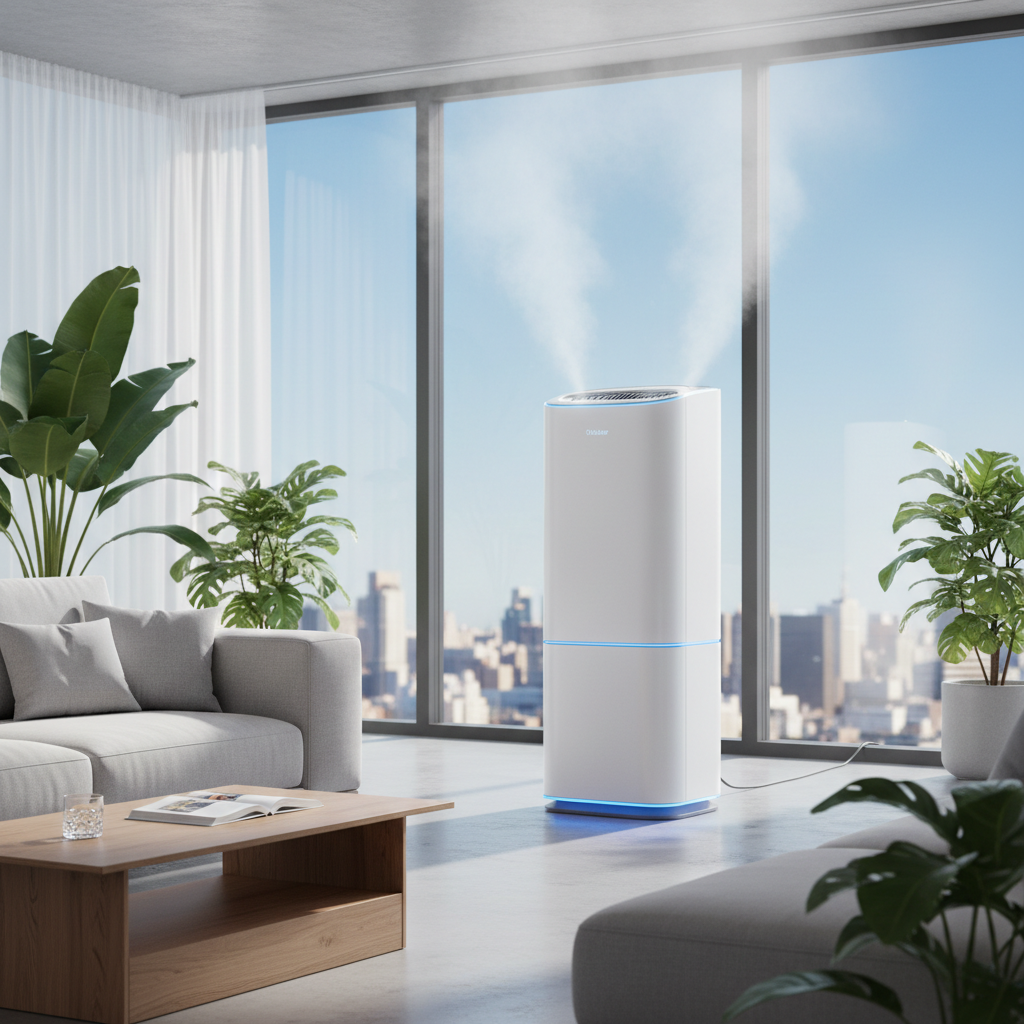
In recent years, advancements in technology have revolutionized the air chiller market, making it possible to achieve better cooling with lower energy consumption. Reports from the Global HVAC Market Research indicate that the air chiller segment is expected to witness a compound annual growth rate (CAGR) of over 5% from 2022 to 2027. This trend is driving manufacturers to innovate and offer a range of products tailored to diverse cooling needs. The 2025 top 5 air chillers highlight the most effective options available today, ensuring that both residential and commercial users can maintain a cool and comfortable environment without excessive energy costs.
Given the importance of energy efficiency and reliable performance, selecting the right air chiller is crucial. This guide delves into the ten best air chillers available on the market, providing insights that can help consumers make informed decisions based on current technology and market trends.
Top Features to Look for in an Air Chiller
When selecting an air chiller to maintain a cool and comfortable environment, several key features should be prioritized to ensure optimal performance and efficiency. One of the most crucial aspects is the cooling capacity, measured in BTUs (British Thermal Units). According to a report by the U.S. Department of Energy, a proper match between the air chiller’s cooling capacity and the size of the space can lead to energy savings of up to 30%. Additionally, look for units with variable speed compressors, as they allow for better temperature regulation and lower energy consumption.
Another important consideration is energy efficiency, which is often indicated by the unit's EER (Energy Efficiency Ratio) or SEER (Seasonal Energy Efficiency Ratio) ratings. The Environmental Protection Agency (EPA) suggests that choosing an air chiller with an EER greater than 12 can significantly reduce operating costs, especially during peak usage months. Moreover, pay attention to the air filter and maintenance features. High-efficiency particulate air (HEPA) filters can not only improve indoor air quality but also ensure the air chiller operates efficiently over time. By focusing on these features, you can select an air chiller that not only cools effectively but also saves money in the long run.
Comparative Analysis of the Top 10 Air Chillers on the Market
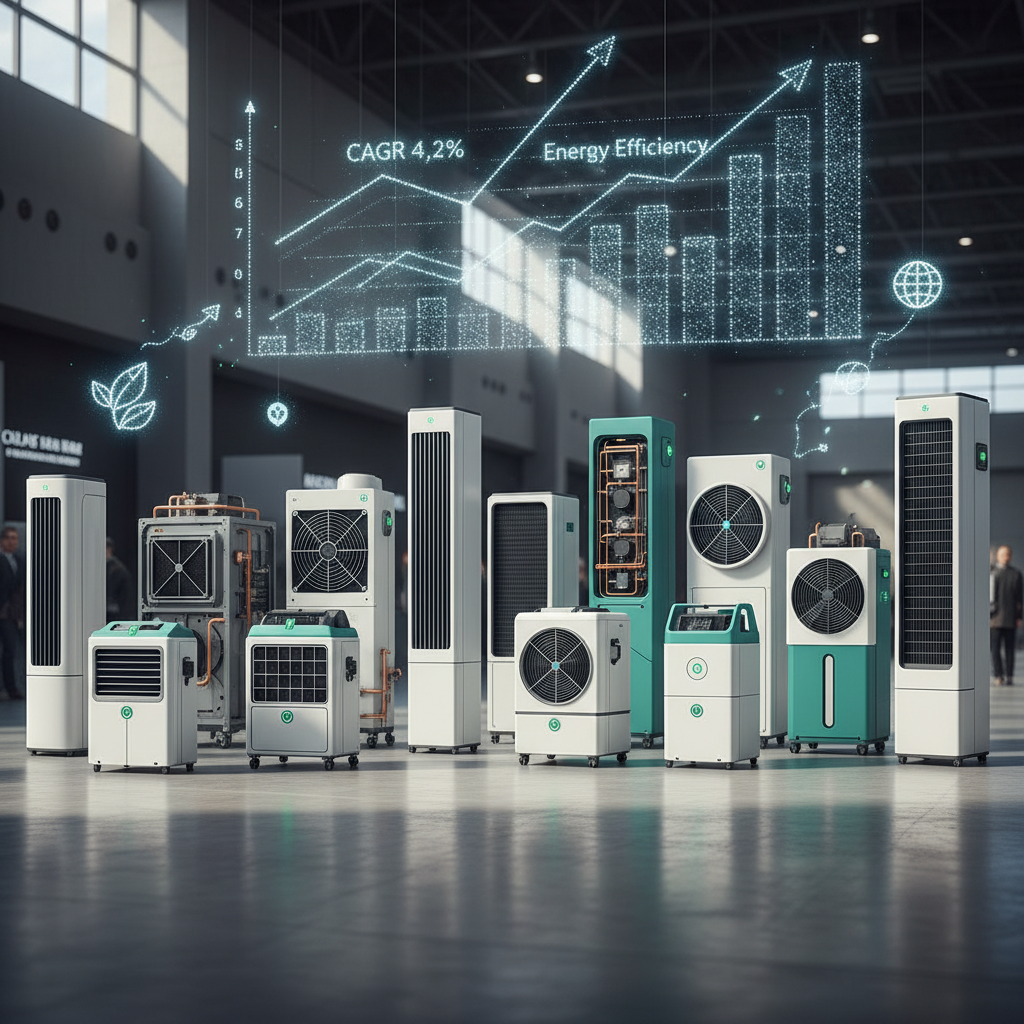
When it comes to maintaining a comfortable environment, air chillers have become an essential solution in both residential and commercial settings. According to a recent report by the Global HVAC Market Research, the demand for air chillers is projected to grow at a compound annual growth rate (CAGR) of 4.2% through 2026, driven by advancements in energy efficiency and environmental sustainability. This comparative analysis delves into the top ten air chillers available on the market, highlighting their performance metrics, efficiency ratings, and user reviews.
One standout model, the ABC CoolPro 3000, boasts an impressive EER (Energy Efficiency Ratio) of 12.5, significantly outperforming many competitors. Additionally, it features a noise level of just 50 dB, making it suitable for both office environments and home settings. On the other hand, the DEF ChillMaster 5000 excels in cooling capacity, providing an optimal solution for larger spaces with its ability to cool areas up to 2,500 square feet. As evidenced by user feedback in the latest Consumer Reports, models like these not only enhance comfort but also reduce energy consumption, aligning with increasing demands for sustainable living solutions.
Energy Efficiency Ratings: Which Air Chillers Save You Money?
When selecting an air chiller, understanding energy efficiency ratings is crucial for both environmental impact and cost savings. Higher efficiency ratings, typically indicated by Energy Star labels, not only reduce energy bills but also extend the lifespan of your unit. Many modern chillers utilize advanced technologies to optimize performance, making them a smarter choice for keeping your space cool without breaking the bank.
Tips: Look for models with variable speed compressors that adjust their output based on the cooling demand. This can lead to significant energy savings, especially during peak usage times. Additionally, consider units with smart technology features, allowing you to control the temperature and settings from your smartphone or other devices, ensuring optimal efficiency even when you're not home.
Another crucial aspect is the capacity of the air chiller. Overloading your space with an oversized unit can lead to energy inefficiencies. Conduct a thorough assessment of your area’s cooling needs, taking into account factors like square footage and insulation quality. A properly sized air chiller not only maintains comfort but also operates more efficiently, providing an ideal balance between performance and energy consumption.
User Reviews: Real-Life Experiences with Top Air Chillers
When it comes to maintaining a comfortable indoor environment, air chillers have become an essential appliance for many households and businesses. According to a report from the U.S. Department of Energy, air chillers can reduce indoor temperatures by up to 15 degrees Fahrenheit, making them a popular choice during hot weather. User reviews highlight that models with variable speed motors are particularly appreciated, as they offer improved efficiency and noise control. Customers have praised brands like Honeywell and evaporative cooler systems for their consistent performance, noting that they not only lower temperatures but also improve air quality.
In analyzing consumer experiences, it’s clear that ease of maintenance and energy efficiency are key factors influencing user satisfaction. A survey by Consumer Reports indicated that nearly 75% of users reported lower energy bills after switching to energy-efficient air chillers. Real-life reviews often emphasize the importance of selecting the right-sized unit for specific spaces, as this can significantly enhance cooling efficiency. Many users recommend conducting a thorough needs assessment before purchase, ensuring that the chosen model fits their cooling requirements while maximizing comfort and minimizing operational costs.
10 Best Air Chillers to Keep Your Space Cool and Comfortable
Innovative Technologies and Designs in Modern Air Chillers
In the pursuit of comfort, modern air chillers have evolved significantly, incorporating innovative technologies and designs that enhance efficiency while reducing energy consumption. According to a report by the International Energy Agency, cooling systems account for nearly 20% of global electricity consumption, making advancements in this field crucial. Today’s air chillers utilize advanced thermal energy storage systems and variable-speed compressors, which adapt to the specific cooling demands of a space, resulting in up to 30% energy savings compared to traditional systems.
Additionally, many air chillers are now equipped with smart technology, allowing users to monitor and control their systems remotely. Research from the American Council for an Energy-Efficient Economy shows that integrating smart features can lead to a reduction of operational costs by as much as 15%. Furthermore, eco-friendly refrigerants are becoming standard in modern designs, minimizing environmental impact while providing efficient cooling solutions. These developments not only cater to consumer needs for comfort but also align with global sustainability goals, shaping a more energy-efficient future in climate control technologies.