10 Best Copper Tungsten Electrodes for Global Buyers
Choosing copper tungsten electrodes is not a simple matter of comparing prices or polished product photographs. Global buyers must examine copper content, tungsten grain structure, electrical conductivity, hardness, erosion resistance, and dimensional accuracy. These details affect contact life, surface finish, and maintenance intervals in demanding applications.
Materials engineer Dr. J. R. Davis has stated, “Material performance must be judged in service, not on paper alone.” That principle guides this selection of ten copper tungsten electrodes. Each option is considered through practical evidence, including machining behavior, resistance to arc erosion, supplier consistency, and performance under repeated thermal cycling. A reliable electrode should remain stable when exposed to intense heat, pressure, and rapid electrical discharge. Small defects can become expensive failures.
The ranking is useful, but it is not universal. A high-copper grade may support better conductivity, while a tungsten-rich grade may provide stronger wear resistance. Some buyers may prioritize tight tolerances. Others may need custom dimensions, traceable inspection reports, or dependable export packaging. There is no perfect choice.
Real purchasing conditions can be messy. Product data may be incomplete. Supplier claims may differ. This guide therefore encourages buyers to verify test methods, certification records, sample performance, and production capacity before ordering. The ten selected products represent practical starting points, not unquestionable answers. Their value depends on matching electrode composition and design with the actual welding, resistance, EDM, or electrical-contact environment. Use the list carefully. Check the details twice.
What Copper Tungsten Electrodes Are and How They Work
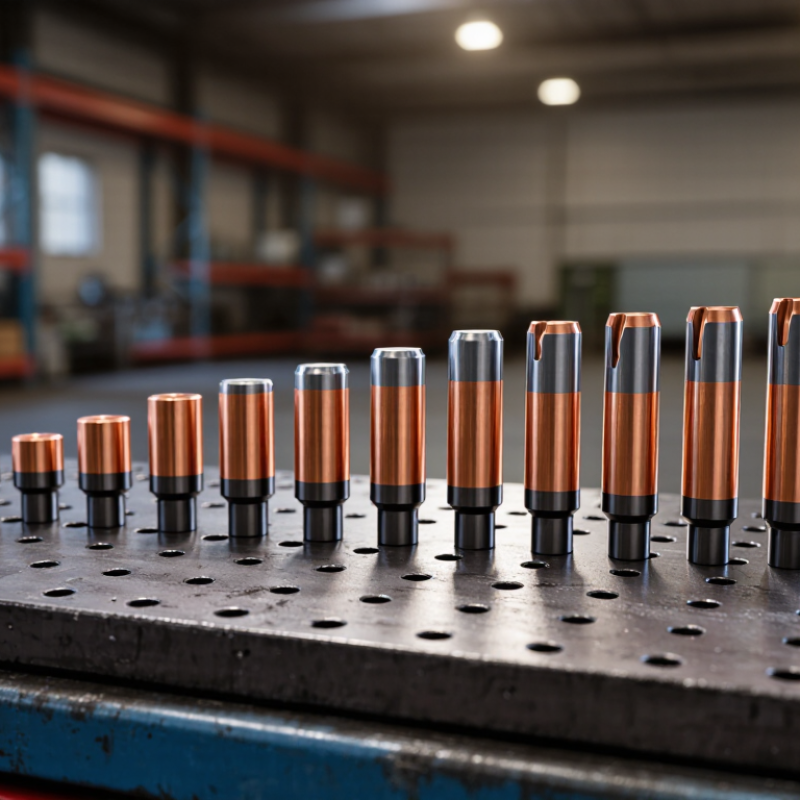
Copper tungsten electrodes are composite conductors made from copper and tungsten powders. Tungsten supplies hardness, heat resistance, and arc stability. Copper carries electrical current and helps move heat away from the working tip. The result is a dense electrode for demanding electrical discharge machining, resistance welding, and high-temperature contact work.
During operation, current travels through the copper phase toward the electrode face. Tungsten particles withstand intense heat and reduce deformation. Copper spreads heat into the holder, limiting rapid temperature peaks. This balance allows the electrode to maintain its shape during repeated sparks or short welding cycles. Performance depends on tungsten content, density, surface finish, and cooling conditions. Small differences matter.
A higher tungsten ratio usually improves wear resistance. It can also reduce electrical and thermal conductivity. A copper-rich grade conducts heat better but may soften sooner. There is no perfect composition. A practical selection starts with current level, pulse duration, pressure, and the workpiece material. Inspect the tip after several cycles. Look for pitting, rounding, cracks, or uneven discoloration. These marks often reveal poor alignment or insufficient cooling. Dimensional checks are useful too. A rushed choice may perform well initially, then fail under longer duty. That possibility deserves attention.
Key Performance Factors for Comparing Copper Tungsten Electrodes
When comparing copper tungsten electrodes, start with the application, not the catalog ranking. EDM work needs stable discharge, clean edges, and controlled wear. Resistance welding demands low contact resistance, hardness, and heat tolerance. The same composition may perform differently under repeated current pulses. Ask for tungsten content, copper grade, manufacturing route, and applicable dimensional tolerances. A powder-metallurgy electrode can offer consistent structure, but poor infiltration may leave hidden porosity. That defect matters.
Electrical and thermal conductivity are practical performance indicators. Higher tungsten content usually improves hardness and erosion resistance, while copper-rich grades transfer heat more efficiently. This trade-off should be checked against current, duty cycle, and cooling conditions. Measure electrode wear after a defined number of cycles. Inspect edge rounding, surface cracking, and electrode geometry. Hardness data alone is insufficient. A hard electrode can still fail if its surface finish is uneven or its fit is inaccurate. Small mismatch, big trouble.
Reliable global purchasing also depends on evidence. Request a current test report, material certificate, lot traceability, and sample inspection before volume orders. Confirm how straightness, diameter, density, and surface roughness are measured. Packaging deserves attention; moisture, impact, and mixed lots can damage confidence before testing begins. I would not accept impressive figures without test conditions. They are easy to misread. Compare suppliers using the same method, then review actual production results. One limitation remains: laboratory data cannot fully predict your machine, coolant, or operator habits. Keep a trial record and revise the specification when field evidence disagrees.
Ten Leading Copper Tungsten Electrodes for Global Buyers
Ten Leading Copper Tungsten Electrodes for Global Buyers
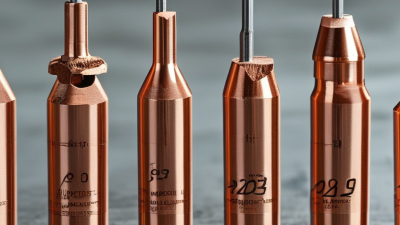
Copper tungsten electrodes support EDM, resistance welding, and high-temperature electrical contact work. Their value comes from balancing copper conductivity with tungsten’s hardness and wear resistance. The ten leading choices include high-copper, balanced-alloy, high-tungsten, fine-grain, infiltrated, sintered, round, threaded, slotted, and custom-machined electrodes.
Each type serves a different workshop condition. High-copper grades transfer heat quickly during short production cycles. High-tungsten grades resist deformation near intense arcs. Fine-grain electrodes can produce cleaner EDM details, especially around narrow cavities. Threaded and slotted designs simplify replacement, while custom-machined forms suit unusual fixtures. In practice, I check density, dimensional tolerance, surface finish, and straightness before installation. A polished surface is useful, but it cannot repair poor internal bonding. That point is easy to miss.
Tips: Match the copper-to-tungsten ratio with current, pressure, and cooling conditions. Ask for a material certificate, hardness data, and inspection records. Measure the electrode after machining, not only before shipment. I once focused too heavily on conductivity and overlooked wear at the tip. The result was uneven contact and extra adjustment time. Keep spare electrodes from the same production batch when consistent performance matters.աժողով
10 Best Copper Tungsten Electrodes for Global Buyers
Comparison of ten widely used copper-tungsten composition grades. The density values are theoretical calculations based on copper density of 8.96 g/cm³ and tungsten density of 19.25 g/cm³.
Higher tungsten content generally supports greater wear resistance and hardness, while lower tungsten content typically offers higher copper content and better electrical and thermal conductivity. Actual electrode performance depends on manufacturing method, porosity, purity, and application conditions.
How to Match Electrode Grades with Industrial Applications
Choosing among the 10 best copper tungsten electrodes starts with the application, not the catalog ranking. The grade must match current, heat, pressure, and wear conditions. Copper tungsten combines copper’s conductivity with tungsten’s hardness, making it useful for resistance welding, EDM, electrical contacts, and high-temperature tooling.
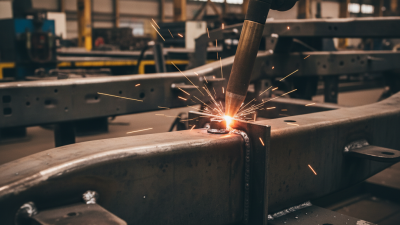
For resistance welding, copper-rich grades often provide faster heat transfer and lower electrode tip temperatures. They suit copper, aluminum, and coated steel assemblies. Tungsten-rich grades resist deformation during repeated high-pressure cycles. This matters in automotive production, where electrode tips may face thousands of welds. The International Copper Study Group reported global refined copper usage above 26 million tonnes in 2024, reflecting strong demand across electrical manufacturing.
For EDM, select a tungsten-rich composition when edge stability and wear resistance matter most. Fine-grained material can produce cleaner corners on hardened steel. However, it may remove heat less quickly than a copper-rich grade. Trade-offs remain. The U.S. Geological Survey’s Mineral Commodity Summaries 2025 estimated global tungsten mine production at roughly 81,000 metric tons in 2024, underlining tungsten’s strategic supply sensitivity.
Check density, hardness, electrical conductivity, and machinability before purchasing. Ask for batch test data, not only a grade label. Surface finish can also change performance. A poorly ground tip may create uneven current flow, even with excellent material. That detail is easy to miss. Trial testing under real pressure and duty cycles remains the most reliable selection method.
Buying, Quality, and Import Considerations for International Customers
10 Best Copper Tungsten Electrodes for Global Buyers
Buying, Quality, and Import Considerations for International Customers
Copper tungsten electrodes require more than a low quoted price. The copper matrix supports electrical and thermal conductivity, while tungsten improves wear resistance and arc stability. According to the USGS Mineral Commodity Summaries 2025, global copper mine production reached about 22 million metric tons in 2024. Tungsten mine production was estimated at 81,000 metric tons, with China supplying most of it. These figures show why material origin, supply continuity, and export documentation deserve careful review.
For international buyers, ask for tungsten content, copper ratio, density, hardness, and electrical resistivity. Request a recent certificate of analysis for every production batch. Dimensional tolerance matters too. A small mismatch can create poor contact inside a precision electrode holder. ISO 9001 certification supports process control, but it does not replace independent testing. Importers should also verify HS classification, packing strength, moisture protection, and country-of-origin documents. Freight costs can change the real price quickly. I have seen buyers compare unit prices, then overlook machining losses and customs delays.
Tips: Specify the application, current range, and electrode dimensions before requesting quotations. Compare samples from at least three qualified suppliers. Inspect surface finish under bright light, and check for cracks, pores, or uneven machining. Keep a written acceptance standard. It may feel excessive, but vague specifications often become expensive disputes. Industry reports provide useful context, yet actual batch testing remains essential.