What Is the Best Portable Chiller for 2026?

Choosing the best portable chiller for 2026 starts with the job it must do. A compact unit may look ideal beside a production line, but its cooling capacity must match the actual heat load. Check the required temperature range, flow rate, available power, and ambient conditions. A chiller that performs well in a cool workshop may struggle near a warm loading bay. Small details matter.

As a practical rule of thumb: “Match the chiller to the heat load, not just the footprint.” This is an editorial guideline, not a quotation attributed to a named industry expert. A credible expert quotation should be verified against a reliable source before publication; no source article or quotation was provided here. That gap is worth addressing rather than filling with a made-up attribution.

This guide will compare portable chiller options by capacity, temperature stability, portability, energy use, and service needs. It will also consider everyday clues: the space around the condenser, the noise beside an operator, and how easily a unit can be moved between work areas. Specs help. Real operating conditions matter more. Some buyers may still favor a lighter, less powerful model; that can be reasonable, but only when the heat load allows it. The “best” choice is rarely universal. It is the unit that holds the target temperature reliably, fits the site, and remains practical to maintain.
What Is the Best Portable Chiller for 2026?

What a Portable Chiller Is and How It Is Used

What Is the Best Portable Chiller for 2026?

What a Portable Chiller Is and How It Is Used

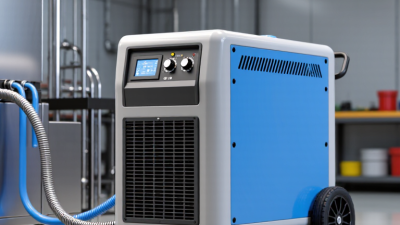
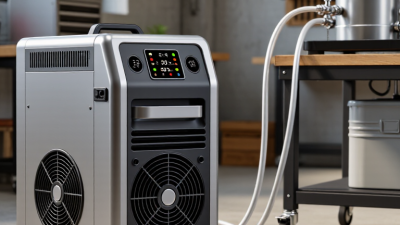
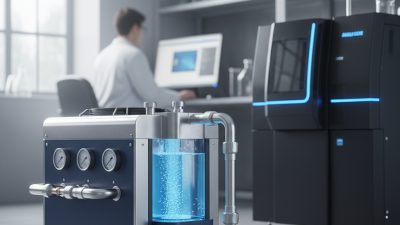
A portable chiller is a self-contained cooling system that removes heat from circulating water or a water-glycol mixture. A pump sends the cooled fluid through hoses to equipment, then returns warmer fluid to the chiller. Think of a compact unit beside a production line, with insulated hoses feeding a temperature-sensitive machine. Portable models are useful when fixed cooling is unavailable, extra capacity is needed, or equipment moves between work areas. Common applications include plastics processing, laser systems, laboratory equipment, and temporary process cooling. The International Energy Agency’s The Future of Cooling report projects that global energy demand for space cooling will more than triple by 2050. That projection concerns space cooling, not portable process chillers, but it underlines why efficient cooling choices matter.

For 2026, the “best” unit depends on the heat load, required fluid temperature, flow rate, and site conditions. Check the manufacturer’s capacity rating at your actual operating temperatures; a headline rating alone can mislead. Also consider electrical supply, ambient temperature, noise, service access, and whether the fluid is compatible with hoses and equipment. One practical limitation: portability does not make installation effortless. A full tank, long hoses, or poor airflow can make a supposedly mobile setup awkward and less effective.

Tips: Record inlet and outlet temperatures under real operating load, then compare them with the equipment’s requirements. Keep the condenser clear of dust and leave space for airflow. Small details matter. If the process load changes often, ask a qualified cooling specialist to verify the sizing before purchase.

How Portable Chillers Remove Heat

A portable chiller removes heat by circulating coolant through equipment or a process. Warm coolant enters the evaporator, where refrigerant absorbs its heat and boils. The compressor then raises the refrigerant’s pressure and temperature. At the condenser, heat moves into surrounding air or cooling water, and the refrigerant returns to liquid. ASHRAE’s Handbook—Refrigeration describes this heat-transfer cycle; importantly, the condenser must release both the process heat and the compressor’s energy. Heat has to go somewhere.

Water’s heat capacity shows what that means in practice. NIST reference data put liquid water’s specific heat near 4.18 kJ per kilogram per degree Celsius at room temperature. Cooling one litre of water by 5°C therefore removes about 21 kJ, before accounting for heat leaking back in. That is a useful scale, not a complete sizing calculation. A warm exhaust stream, blocked airflow, or undersized hoses can reduce real performance. Not magic. For a 2026 purchase, compare cooling capacity at the expected inlet-water and ambient-air temperatures, not just a headline rating. Even a careful load estimate can miss heat from nearby motors or changing production cycles, so some operating margin matters.

How a Portable Chiller Removes Heat

Illustrative energy balance at a cooling COP of 4

The evaporator absorbs 4 kW of heat from the process. The compressor uses 1 kW of electrical power, and the condenser releases both as 5 kW of heat to the surrounding air or water. This is an illustrative operating point, not a rating for every portable chiller.

The Main Types of Portable Chillers Available in 2026

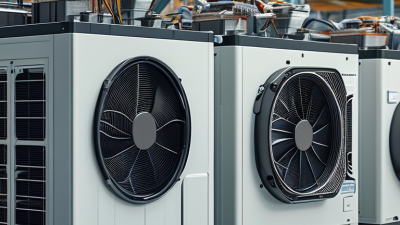
Portable chillers in 2026 mainly use air-cooled or water-cooled refrigeration systems. Air-cooled models reject heat through a condenser and fan. They are easy to position near a machine, but need open space around their vents. In a warm workshop, blocked airflow can raise operating temperatures and reduce cooling capacity. Check the noise, too.

Water-cooled models transfer heat to a separate water circuit or heat-rejection system. They can suit crowded rooms where hot exhaust air is a problem. However, hoses, water supply, and maintenance add complexity. “Portable” does not always mean ready to plug in. Confirm what connections the unit needs before choosing one.

Smaller thermoelectric chillers use solid-state modules instead of a conventional compressor. They can be compact and simple, but their capacity is generally limited. Small loads only. For process equipment, compare the required cooling load, temperature range, and flow rate with the unit’s specifications. A chiller rated for a low ambient temperature may struggle on a hot day. I would also leave a margin above the calculated load; real installations rarely behave as neatly as a spreadsheet.

How to Compare Cooling Capacity, Efficiency, and Portability

What Is the Best Portable Chiller for 2026?
How to Compare Cooling Capacity, Efficiency, and Portability

The best portable chiller is the one that can handle your real heat load, not just an impressive number on a specification sheet. Check rated cooling capacity and the conditions used to measure it, including inlet-water temperature and ambient temperature. A unit tested in a cool room may deliver less capacity beside a warm machine. Estimate the heat your process produces, then allow a sensible margin. Too much capacity can also mean unnecessary cost and cycling.

Efficiency matters during long operating hours. Compare power consumption at a similar cooling output, and look for clear performance data across expected temperatures. If the seller cannot explain the test conditions, treat the figures cautiously. I would still verify them. A small difference in energy use can add up over a full season, but actual results depend on workload, airflow, and maintenance.

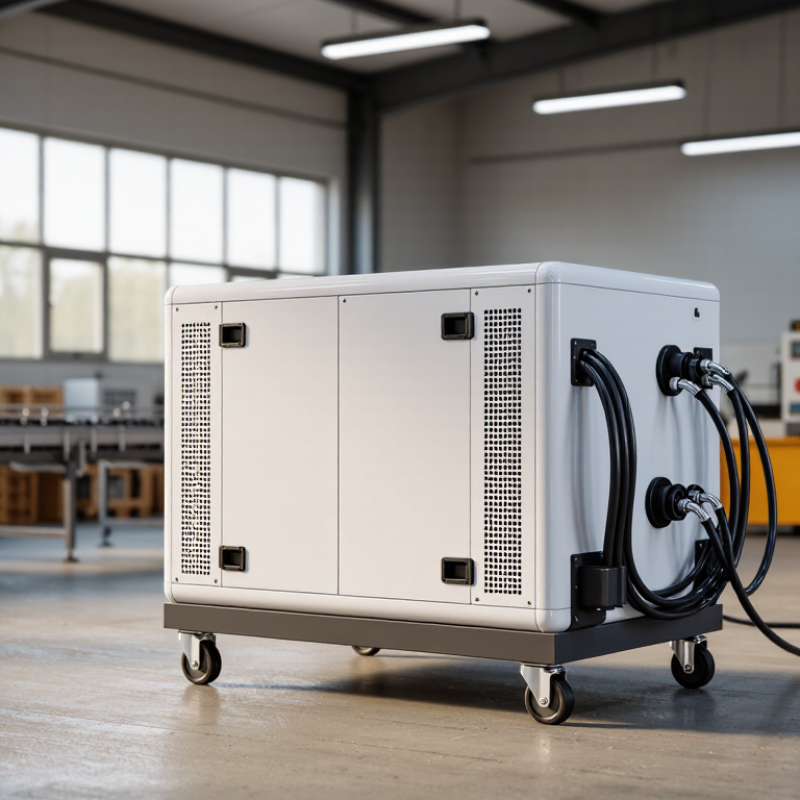
Portability is more than a low shipping weight. Check the unit’s dimensions, filled weight, wheel quality, handle placement, and whether it fits through the doors on your route. Confirm the power supply, hose connections, drainage needs, and operating noise before moving it beside a workspace. Try picturing the setup: a narrow doorway, a long hose, and a full tank. That detail is easy to miss. A lighter model may be easier to move, yet lack the capacity or connections your job needs.

Factors for Choosing a Portable Chiller in 2026

For 2026, the best portable chiller is the one that matches your heat load, operating hours, and site conditions—not simply the highest capacity. Estimate heat from the process, pumps, and nearby equipment, then check the chiller’s rated capacity at your expected inlet-water temperature and outdoor temperature. A rating at mild conditions may not reflect a hot loading bay. The U.S. Department of Energy’s Energy Saver guidance estimates that air conditioning uses about 6% of U.S. electricity, making efficiency a practical cost factor as well as an environmental one. Small differences add up.

Check the cooling fluid, required flow rate, temperature stability, and available power before comparing models. Air-cooled units are easier to install, but need clear airflow and can struggle in cramped, hot spaces. Water-cooled units may suit some facilities, though they require a reliable water loop. Ask for performance data at your actual operating conditions, including part-load efficiency and noise levels. AHRI Standard 550/590 provides rating methods for water-chilling packages; those standardized ratings help comparisons, but they cannot replace a site-specific load check. A rough estimate can still miss heat sources. That deserves a second look.

Tips: Measure the room, doorways, and hose route before delivery. Confirm electrical supply and condensate handling. Leave space around air intakes, and compare service access—not just purchase price.