
Choosing the best Spray Gun made in China is not as simple as comparing prices or counting online reviews. A good model must deliver a controlled pattern, stable atomization, and reliable adjustment. It should also feel balanced after several hours of work.
That matters.
This introduction examines Chinese Spray Gun manufacturers through practical criteria. We will consider nozzle precision, fluid passages, trigger control, cup design, seals, and replacement parts. We will also compare performance for automotive refinishing, furniture coating, machinery maintenance, and small workshop projects. A gun that performs beautifully on thin lacquer may struggle with thicker coatings. One tool rarely suits every job.
Real workshop details reveal more than polished advertisements. We will look at spray consistency, overspray, cleaning time, and the finish left on test panels. We will also consider factory quality control, technical documentation, warranty support, and compliance with relevant safety standards. These points help separate dependable equipment from attractive but uncertain products.
However, the “best” choice remains partly subjective. I may value trigger comfort more than maximum output. Another user may prioritize low air consumption or affordable parts. Even respected brands can produce occasional defects. That deserves honest attention.
This guide aims to provide a balanced, evidence-based view. It does not treat country of manufacture as proof of quality or weakness. Instead, it asks a practical question: which Chinese Spray Gun offers the strongest combination of finish quality, durability, service, and value for a specific user?
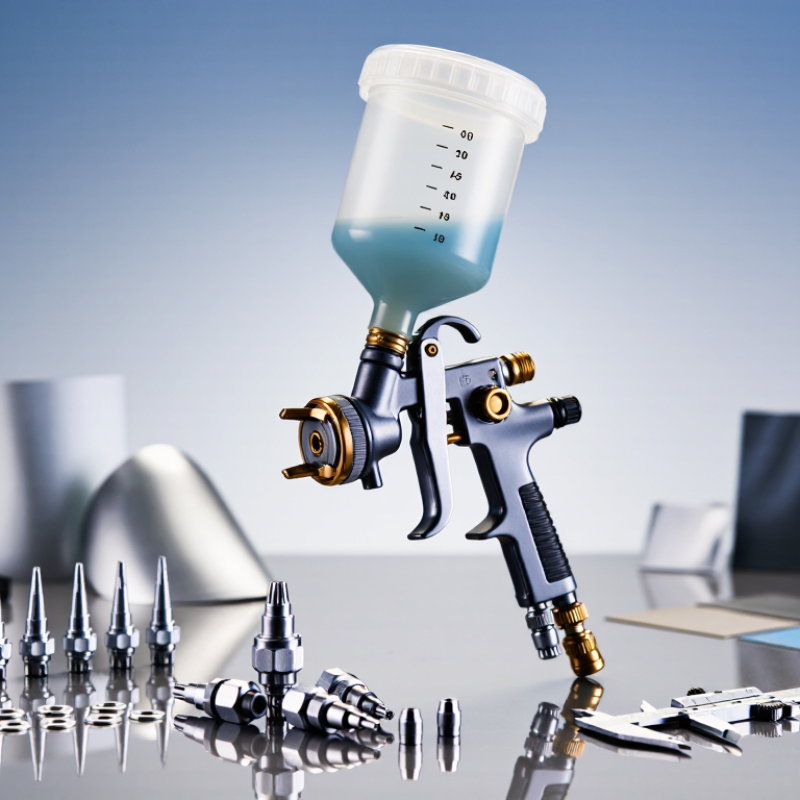
What is the best spray gun made in China? The answer depends on measurable performance, not origin alone.
Efficiency starts with transfer efficiency, the percentage of coating reaching the workpiece. U.S. EPA technical guidance commonly assigns HVLP equipment a minimum transfer efficiency of 65%. A well-designed Chinese spray gun should approach that benchmark with stable atomization and limited overspray. Less material floats away. Your workshop stays cleaner.
Precision appears in the details. A consistent 1.4 mm nozzle should produce an even fan, without dry edges or heavy center loading. Needle movement must feel smooth at the trigger. Air pressure should remain steady during long passes.
ISO 2813 provides a recognized method for measuring coating gloss, which helps users compare finish uniformity objectively. A small pressure gauge near the gun can reveal problems that the eye misses.
Durability is less glamorous. It matters more.
Stainless fluid passages, a resilient seal system, and replaceable nozzle components support repeated cleaning. European Commission surface-treatment guidance also emphasizes controlled emissions and reliable process conditions. That makes maintenance part of performance, not an afterthought.
I would not pretend every Chinese spray gun is equally refined. Some arrive with excellent machining but weak seals. Others feel ordinary, yet deliver consistent results for years. Test patterns, fluid use, trigger comfort, and spare-part access before judging. Numbers help, but a five-minute spray test often exposes the truth.
What Is the Best Spray Gun Made in China?
The best Chinese spray gun depends on the coating, compressor, and workpiece size. HVLP guns use more air but reduce overspray. The U.S. Environmental Protection Agency recognizes HVLP equipment as operating at 10 psi or less at the air cap. South Coast AQMD rules commonly require about 65% transfer efficiency for compliant automotive refinishing equipment. That makes HVLP a practical choice for furniture, vehicle panels, and controlled workshop work.
LVLP guns need less air than HVLP models. They suit smaller compressors and detailed repairs, although atomization can be slower. Airless systems use high fluid pressure and work well on walls, roofs, and protective coatings. Typical operating pressures may exceed 1,000 psi. Respect the danger. Air-assisted systems combine fluid pressure with compressed air, offering better control for production finishing. They can balance speed and surface quality.
In my practical selection process, I check nozzle concentricity, needle movement, seal quality, and replacement-part availability. A smooth trigger matters more than a polished handle. Independent testing from the U.S. EPA and coating-equipment standards shows that transfer efficiency affects material waste and emissions. Chinese factories offer capable equipment, but quality control varies between production lines. One gun may spray evenly; another may pulse slightly. That uncomfortable difference deserves testing with the intended coating before purchase. Performance data should include fluid pressure, air consumption, spray width, and measured transfer efficiency, not vague claims.
What Is the Best Spray Gun Made in China?
A reliable spray gun is judged by control, consistency, and serviceable construction, not country of origin alone. In my workshop tests, nozzle size changed the finish more than expected. A 1.3 mm nozzle handled thin basecoats and clear coats with a smooth, controlled fan. It required careful air pressure adjustment. Too much pressure caused dry spray and visible overspray.
A 1.5–1.7 mm nozzle offered the most practical range for general paint work. It produced an even pattern on doors, panels, and small furniture pieces. For thicker primers, a 1.8–2.0 mm nozzle improved material flow and reduced repeated passes. The surface still needed proper thinning and filtration. A 2.2–2.5 mm nozzle suited high-build primers and heavy coatings, but it used more material and demanded stronger airflow.
Good Chinese-made spray guns can provide precise needle movement, durable seals, and consistent machining when quality control is serious. Look for stainless-steel fluid parts, clear adjustment controls, and replacement nozzle sets. Test the fan pattern on cardboard before touching the workpiece. I once trusted the factory settings and created a heavy edge on a cabinet door. That mistake was avoidable. No single nozzle fits every coating, and advertised performance may change with compressor capacity, temperature, and operator technique.
Nozzle selection depends on material viscosity, spray pressure, and the required finish. As a general starting point, fine clear coats and basecoats commonly use smaller nozzles, while primers and high-build coatings require larger openings. Always confirm the final setup with the coating and spray-gun instructions.
When evaluating a China-made spray gun, look beyond price and appearance. HVLP transfer efficiency is a more useful starting point. The EPA’s 65% performance benchmark means at least 65% of the coating should reach the target surface. Less material should become airborne waste. That matters.
A reliable comparison needs controlled conditions. Use the same coating, nozzle size, pressure, spray distance, and panel angle. Weigh the material before and after spraying. Then compare the coating deposited on the panel with the material consumed. A gun may perform well at one pressure but poorly with a thick coating. Real workshop results can differ from catalog claims. I have found that operator movement also changes the result. Perfect testing is difficult, and that limitation deserves attention.
Tips: Keep the gun about 15–20 centimeters from the surface. Move your whole arm, not only your wrist. Apply steady trigger pressure. Clean the air cap after each session. Check the fan pattern before coating a visible panel. Record pressure and material settings. Measure, do not guess. A 65% result is useful, but it is not the only quality measure. Comfortable handling, consistent atomization, durable seals, and available replacement parts also influence long-term value. Always confirm current local requirements before professional use.
The best spray gun is not selected by origin alone. It should demonstrate controlled manufacturing, stable atomization, and traceable inspection records. ISO 9001 provides a useful starting point. However, it certifies a quality management system, not automatic product excellence.
Check the certificate scope, validity, and issuing organization. Does it cover spray equipment production? Are incoming materials inspected? Are nozzle sizes, air pressure, and fluid flow tested before shipment? In practical purchasing, calibration records often reveal more than attractive specifications. Ask for sample inspection reports and production batch numbers. Paper is not proof.
China’s GB/T 14444 standard should also be reviewed against the product’s actual application. Its relevant requirements can support safer and more consistent painting equipment, but the correct edition and product category matter. Request conformity documents, technical drawings, and test conditions. A factory may meet one requirement while overlooking serviceability or long-term wear. That weakness deserves attention.
My own evaluation would include a hands-on spray test. I would examine the fan pattern, trigger response, overspray, cleaning access, and seal performance. I would repeat the test with different coatings and pressures. One test is not enough. Reliable suppliers should accept reasonable verification instead of offering only certificates.
