
Choosing the best Vibration Measuring Device in 2026 is not about buying the most expensive analyzer. It is about matching the instrument to the machine, measurement task, and skill level of the people using it. A handheld meter may suit quick checks on a pump bearing. A multi-channel analyzer may be necessary for balancing, advanced diagnostics, or demanding route-based programs. Small details matter: sensor mounting, frequency range, calibration, battery life, and whether the software makes trends easy to understand.
The U.S. Department of Energy’s Operations & Maintenance Best Practices guide reports that predictive maintenance programs can save 8–12% compared with preventive maintenance and 30–40% compared with reactive maintenance. Those figures describe programs, not guaranteed savings from any single device. A sensor cannot fix poor setup. Nor can a clean-looking screen replace sound analysis. Jason Tranter, founder of Mobius Institute and a vibration-analysis educator, emphasizes a practical principle in his teaching: measurements need interpretation before they can guide maintenance decisions. That distinction is easy to miss. This guide compares device types, measurement capabilities, usability, and cost, while noting where evidence is limited. The best choice may be less sophisticated than expected. It should capture repeatable data, reveal meaningful changes, and help technicians decide what to inspect next.
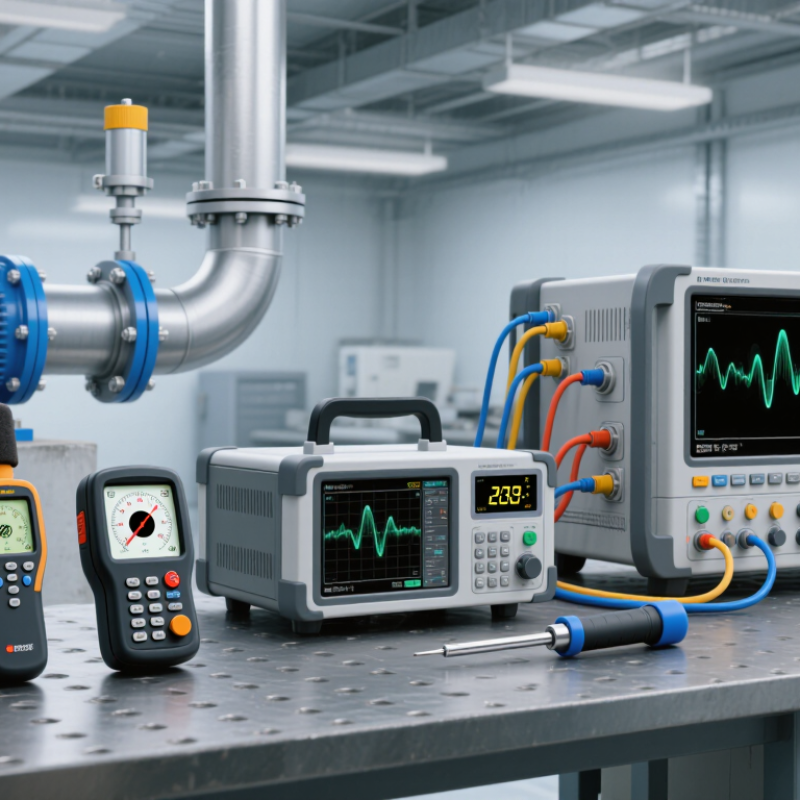
A vibration measuring device turns movement too small to see into useful data. Depending on its sensor and settings, it may measure acceleration, velocity, or displacement. Acceleration captures rapid changes; velocity helps assess machine condition; displacement shows how far a component moves. Some instruments also display vibration frequency, revealing how quickly a machine oscillates. Small differences matter.
On a factory floor, a technician might attach a sensor to a pump bearing while the machine runs at a steady speed. The reading can help identify unusual vibration linked to imbalance, looseness, misalignment, or bearing wear. A single measurement rarely proves the cause. Still, readings taken at the same points and under similar operating conditions can reveal a trend before noise or heat becomes obvious. That can support timely inspection and reduce unexpected downtime.
The device is only as useful as its setup. Sensor placement, mounting pressure, machine load, and measurement units can all affect results. A handheld reading may be convenient, but it can miss changes between inspections. Continuous monitoring offers more history, though it also produces data that needs careful interpretation. One reading can mislead. Even experienced technicians compare measurements with machine specifications and past results, rather than treating an alert as a diagnosis.
What Is the Best Vibration Measuring Device in 2026?
Vibration sensors turn physical movement into electrical signals that engineers can inspect. An accelerometer, for example, measures acceleration along one or more axes. Its sensing element responds when a machine housing moves, producing a changing signal. Software can then calculate velocity or displacement, depending on the sensor and measurement range. Small signals matter. A faint rise in vibration may appear before a bearing becomes noticeably noisy.
To analyze motion, technicians examine both the time waveform and its frequency spectrum. A fast Fourier transform helps separate repeating components, such as rotation-related vibration, from impacts or looseness. The U.S. Department of Energy’s Improving Motor and Drive System Performance sourcebook estimates that motor-driven systems consume about 68% of electricity used in U.S. manufacturing. That figure is not a vibration statistic, but it shows why reliable monitoring of rotating equipment matters. A sensor reading still needs context.
Mounting and sampling choices shape that reading. A firmly attached sensor usually captures motion more consistently than one placed on a flexible cover. The best device depends on the machine, frequency range, environment, and need for portable checks or continuous monitoring. Even careful measurements can mislead when sensor placement changes between inspections. It is worth admitting that field conditions are rarely perfect. Compare readings at the same location, record operating speed, and treat unusual peaks as clues—not automatic proof of failure.
Vibration monitoring starts with a practical question: do you need a quick alarm, a fault diagnosis, or continuous tracking? The answer changes the device. A handheld vibration meter measures overall vibration, often in velocity or acceleration. It suits routine checks on a motor housing or pump bearing. Simple and fast. But it may not reveal which fault produced the reading.
Portable vibration analyzers add frequency-spectrum analysis, helping technicians distinguish imbalance, looseness, and bearing-related patterns. Route-based data collectors store readings for comparison across inspections. Fixed online monitoring systems use mounted sensors to track machines continuously and flag changes between site visits. Wireless sensors can simplify installation, though battery life, signal quality, and mounting stiffness still matter. Small details count.
The U.S. Department of Energy’s 2010 Operations & Maintenance Best Practices guide reports predictive maintenance savings of 8–12% compared with preventive maintenance programs. That figure describes a maintenance strategy, not a guaranteed return from any instrument. A device only helps when readings are repeatable and interpreted alongside operating speed, load, and machine history. A hurried reading on a warm bearing can mislead. For critical equipment, teams often pair route-based analysis with fixed monitoring; for less critical assets, a calibrated handheld meter may be enough. The choice is rarely perfect. Check sensor placement and measurement units before comparing results.
What Is the Best Vibration Measuring Device in 2026?
Choosing the best vibration measuring device in 2026 starts with the machine, not the screen. A small pump and a high-speed spindle need different measurement ranges and frequency responses. Check whether the device measures acceleration, velocity, displacement, or several metrics. The right choice depends on machine speed and the fault you need to detect. Accuracy matters, but so does repeatability. Slightly different sensor placement can change a reading. Small details matter. For routine checks, a handheld meter may be enough; tracking changes over weeks calls for reliable data storage and time-stamped records.
Inspect sensor mounting options, cable durability, battery life, and display clarity. Magnetic mounts are quick on clean, flat steel, while a stud or probe can provide firmer contact. Dust, oil, heat, and cramped access can turn a good specification into a poor fit. Confirm the operating range suits expected conditions, and review calibration guidance and measurement uncertainty—not only advertised accuracy. If alarms are available, make sure thresholds can be adjusted to the equipment. A device cannot diagnose every fault on its own. Compare readings with baseline data, maintenance history, and operating conditions. Extra features can be tempting. Test the fit. Trying a unit on a known machine before standardizing it may reveal awkward handling or inconsistent results.
| Device type | Best suited for | Typical measurements | Key strengths | Limitations to consider | Choose it when… |
|---|---|---|---|---|---|
| Basic handheld vibration meter | Routine checks on motors, pumps, fans, and other rotating machinery | Often overall vibration velocity; some models also measure acceleration and displacement. Units commonly include mm/s or in/s for velocity and m/s² or g for acceleration. | Portable, quick to use, and suitable for screening changes in machine condition when measurements are taken consistently. | May provide limited frequency analysis and fault diagnosis. Results depend on sensor type, mounting, measurement location, and operating conditions. | You need straightforward periodic checks rather than detailed fault analysis. |
| Portable vibration analyzer | Maintenance teams investigating abnormal vibration or managing measurement routes | May include overall values, frequency spectra (FFT), time waveforms, and measurements from accelerometers. Available features vary by instrument. | Frequency and waveform information can help distinguish vibration patterns and support troubleshooting. | Requires suitable training and careful setup. Diagnosis should consider machine speed, load, sensor mounting, and measurement location. | You need to investigate changes, compare measurement points, or collect more detail than an overall reading provides. |
| Data-logging vibration meter | Repeated inspections across many assets or locations | Stores readings with time, location, or asset identifiers; measurement channels and analysis features vary by model. | Helps build historical trends and reduces reliance on handwritten records. | Consistent routes, measurement points, operating states, and data management are needed for meaningful comparisons. | You need to review changes over time or organize recurring condition-monitoring rounds. |
| Continuous online vibration monitoring system | Critical or hard-to-access equipment that needs ongoing observation | Fixed sensors can provide continuous or scheduled vibration data, commonly including acceleration-based signals and configured trend values. | Can show developing trends between manual inspections and support alarms when configured appropriately. | Higher installation and maintenance effort; sensor placement, alarm limits, communications, and operating context must be planned. | Unplanned downtime has significant consequences or equipment cannot be checked frequently by hand. |
| Smartphone or general-purpose accelerometer | Education, demonstrations, or preliminary non-critical observations | Acceleration data from the device’s built-in sensor; sampling rate, frequency response, and data access depend on the hardware and software. | Convenient and accessible for basic demonstrations or exploratory measurements. | Sensor performance, mounting, calibration, sampling, and signal processing may not be adequate for dependable industrial condition assessment. | You only need an initial, non-critical indication—not a calibrated measurement for maintenance decisions or acceptance testing. |
Selection tip: There is no single best device for every task. Match the device’s frequency range, sensor and mounting method, measurement units, data storage, and analysis features to the machine and the decision you need to make. For reliable trend comparisons, measure at consistent locations and operating conditions. Follow the instrument’s calibration guidance and applicable site procedures; vibration severity limits depend on the machine and assessment context.
What Is the Best Vibration Measuring Device in 2026?
Which Device Best Fits Different Measurement Needs?
The right device depends on the question, not the price tag. For quick checks on pumps, fans, or motors, a handheld vibration meter is practical. It can show overall vibration velocity, often measured in millimeters per second RMS. A technician can compare readings at the same bearing point during routine rounds. Small detail, big difference. Loose mounting or inconsistent pressure can distort results.
For fault diagnosis, choose a vibration analyzer that records waveforms and frequency spectra. These help distinguish unbalance from bearing impacts, though interpretation takes training. For assets that are hard to reach or need frequent monitoring, fixed sensors can track trends continuously. Yet installation quality and sensor range matter; more data does not automatically mean better decisions. A basic meter may be enough for a small workshop. It may not be enough for a critical, high-speed machine.
The U.S. Department of Energy’s Operations & Maintenance Best Practices Guide reports potential maintenance-cost savings of 8–12% for predictive maintenance versus preventive programs, and 30–40% versus reactive maintenance. These are program-level estimates, not guaranteed results from buying a device. Match the instrument to machine speed, fault type, access, and required measurement frequency. Check calibration, measurement units, and data-export options before purchase. Then test it on a known machine. Readings can surprise you.
