How to Choose a Spot Welding Machine for Your Projects?
Choosing the right spot welding machine can be overwhelming. With various options and features, decision-making becomes challenging. According to John Smith, an expert in welding technology, “A good spot welding machine is essential for quality workmanship.” His words highlight the importance of making an informed choice.
Spot welding machines come in different sizes and capabilities. Factors include power, electrode design, and control options. These elements impact the welding process and the final product's quality. Consider what materials you will work with. A machine suitable for thin metals may not perform well on thicker materials. Understanding these needs is crucial.
Take time to evaluate your projects. Reflect on the specifics required for your work. Sometimes, a lower-priced option can cause frustration later. Invest wisely in a machine that matches your skill level and project demands. Balancing your budget and requirements can prevent future regrets.
Understanding the Basics of Spot Welding Technology
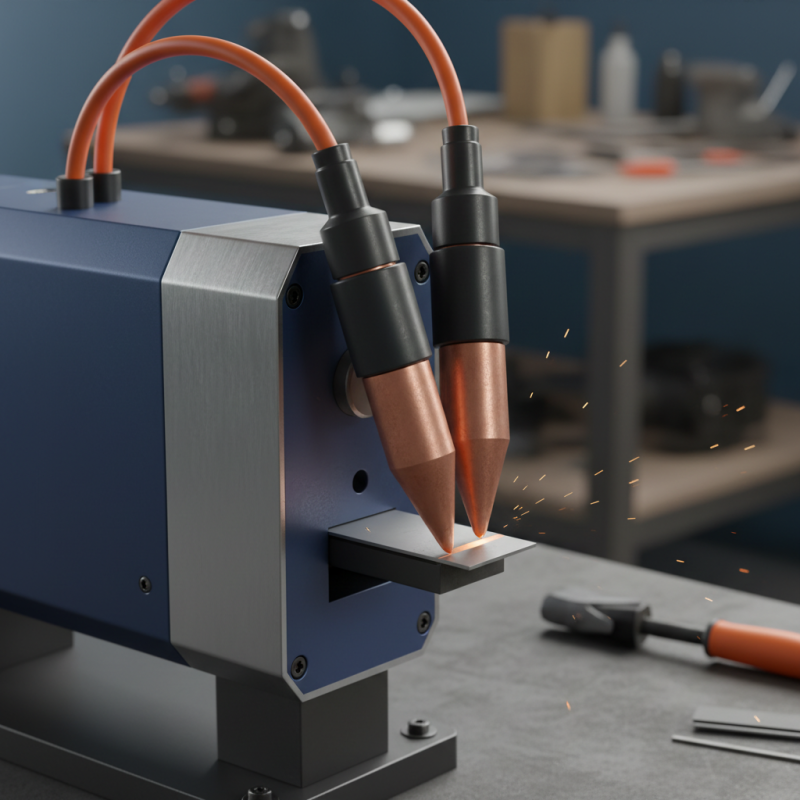
Spot welding is a crucial technique in metal fabrication. It involves fusing two metal pieces together using heat generated from electrical currents. The process is simple yet effective. A welding machine applies pressure at specific points. This results in strong, durable joints. Spot welding is commonly used in automotive manufacturing and electronics. However, understanding its fundamentals is essential for successful application.
Different machines offer varied capabilities. Some are designed for heavy-duty tasks, while others are more suitable for light work. Choosing the right machine can be tricky. It often requires assessing your project's specific needs. Consider the materials you'll be working with and their thickness. A machine that heats too much can damage thin metals. On the other hand, insufficient heat may not create a solid joint.
Practicing on scrap materials is essential. Trial and error can lead to valuable insights. Observing how different settings impact the weld is important. Not every attempt will yield perfect results. It's a learning process that can be frustrating but rewarding. Through experimentation and reflection, you may discover the best approach for your tasks. Understanding the basics of spot welding technology will ultimately help in making the right equipment choices.
Key Factors to Consider When Choosing a Spot Welding Machine
When selecting a spot welding machine, several key factors come into play. Think about the material types you plan to work with. Different materials require different heat settings and electrode types. For instance, aluminum and steel have distinct welding needs. Ensure your machine can handle the specific materials for your projects.
Another critical aspect is power capacity. The voltage and current ratings determine how effective the machine will be. A higher voltage often means deeper weld penetration. However, this can also lead to burn-through if you're working with thin materials. Balance is essential here; too much power can ruin your project.
**Tips:** Consider portability if you will move the machine frequently. Look for lightweight options that don’t compromise on capability.
Also, review the safety features of the machine. Automatic shut-off mechanisms can prevent accidents. Remember, safety should never be an afterthought.
**Tips:** Test the machine before committing. Hands-on experience provides valuable insight into its usability. Take your time to explore different options, as not all machines will feel right for you. Reflect on your specific needs, as they will guide your purchase.
How to Choose a Spot Welding Machine for Your Projects? - Key Factors to Consider When Choosing a Spot Welding Machine
| Feature |
Importance |
Specification |
Estimated Price Range |
| Welding Capacity |
Critical for thickness of materials |
Up to 10mm for mild steel |
$1,000 - $5,000 |
| Power Supply |
Direct influence on performance |
220V/380V options |
$800 - $3,000 |
| Control System |
Affects ease of use and precision |
Analog/Digital control |
$500 - $2,000 |
| Weight and Portability |
Important for shop layout |
50 kg to 200 kg |
$1,000 - $4,000 |
| Cooling System |
Prevents overheating during operation |
Water-cooled system |
$200 - $800 |
Types of Spot Welding Machines and Their Applications
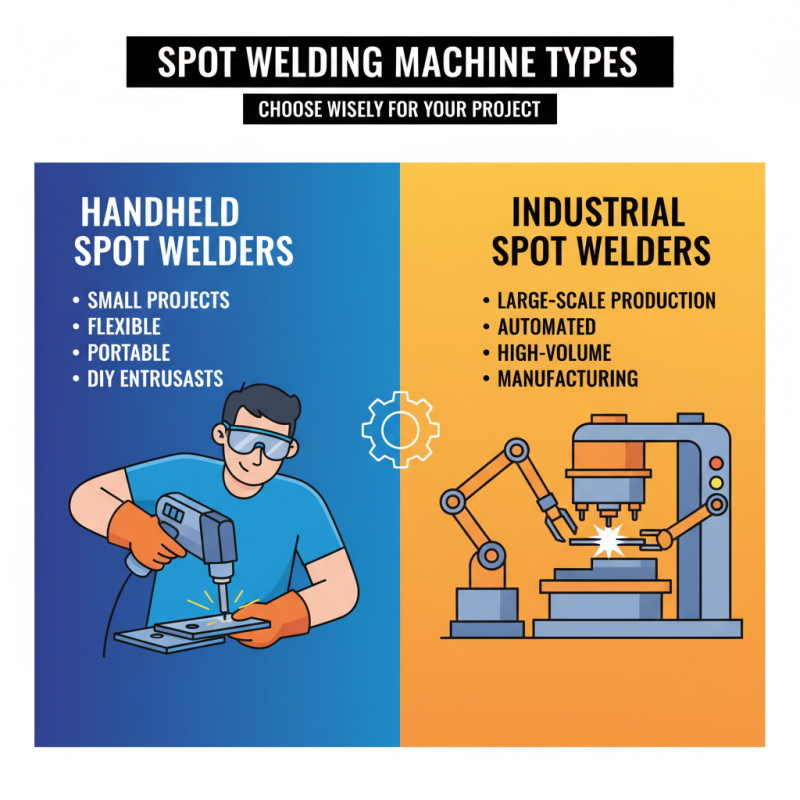
When selecting a spot welding machine, understanding the types available is crucial. There are several machines, each designed for specific applications. For example, handheld spot welders are great for small projects. They offer flexibility and portability, perfect for DIY enthusiasts.
Stand-alone machines provide more power and control. These are ideal for industrial settings where precision is essential. They can handle thicker materials and heavier workloads. However, they require a larger investment and a dedicated workspace. Users should consider whether they truly need this capability.
Automated spot welding systems offer efficiency. They are typically used in mass production. Yet, they may be overkill for smaller tasks. The setup can be complex, and maintenance is necessary. Reflecting on the specific needs of your projects will help make the right choice. Consider the materials you will work with and the desired outcome.
Evaluating Machine Specifications and Performance Features
When choosing a spot welding machine, understanding specifications and performance features is crucial. The power output is one key factor. It determines the thickness of the materials you can work with. Higher power means the ability to weld thicker metals. However, excessive power might cause burn-through. Balance is necessary, as too low power will lead to weak joints.
Look closely at the duty cycle. This tells you how long the machine can operate continuously. A longer duty cycle is beneficial for extensive projects. But, if you're working on smaller tasks, a machine with a shorter duty cycle might suffice. Also, consider the control features. Adjustable timers and current settings help in achieving precision. Beginners may overlook these, leading to inconsistent results.
Welding speed is another important aspect. Faster welding can increase efficiency but may compromise quality. You need to find a sweet spot between speed and weld strength. Additionally, portability can be a concern. A lightweight machine is easier to move but may sacrifice some features. Weigh the trade-offs carefully. Your project requirements should guide these choices, as there is no one-size-fits-all solution.
Maintenance and Safety Tips for Spot Welding Equipment
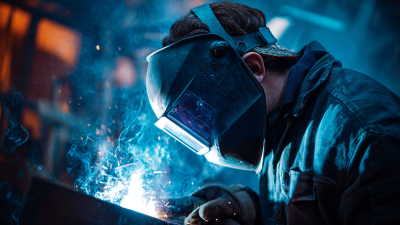
When using spot welding equipment, safety is key. Always wear protective gear. This includes gloves, goggles, and face shields. The sparks generated can be hazardous. Make sure your workspace is free from flammable materials. A cluttered area increases the risk of accidents. Keep a fire extinguisher nearby. You never know when it might be needed.
Regular maintenance is essential for spot welding machines. Check electrical connections often. Loose connections can lead to equipment failure. Inspect cables for wear and tear. Frayed or damaged cables can cause serious injuries. Clean the machine after use. Removing residue ensures better performance in future projects. Remember, a well-maintained machine lasts longer and works better.
Don't neglect the importance of proper training. Familiarize yourself with the machine's manual. Understand its functions and limitations. Sometimes, operators may skip this step, leading to mistakes. Reflect on your experiences with the equipment. Learning from past errors can improve future outcomes. Safety and maintenance go hand in hand. Prioritize them to succeed in your projects.