How to Choose the Best CNC Turning Center for Your Needs?
Choosing the best CNC Turning Center can significantly impact your production efficiency. According to John Anderson, a leading expert in CNC machining, "Selecting the right CNC Turning Center is like choosing the right tool for a craftsman." This statement highlights the importance of making an informed decision.
In today's competitive manufacturing environment, the right CNC Turning Center can enhance precision and reduce costs. Many factors come into play. You must consider the size, capabilities, and the specific materials you handle. Often, manufacturers overlook their unique needs. This oversight can lead to suboptimal performance.
Investing in a CNC Turning Center involves facing uncertainty. Each model has its strengths and limitations. It's not just about features; it's about what fits your business. Customization often plays a pivotal role. Finding the balance between cost and functionality is a real challenge. Each decision should come after careful consideration of your production goals.
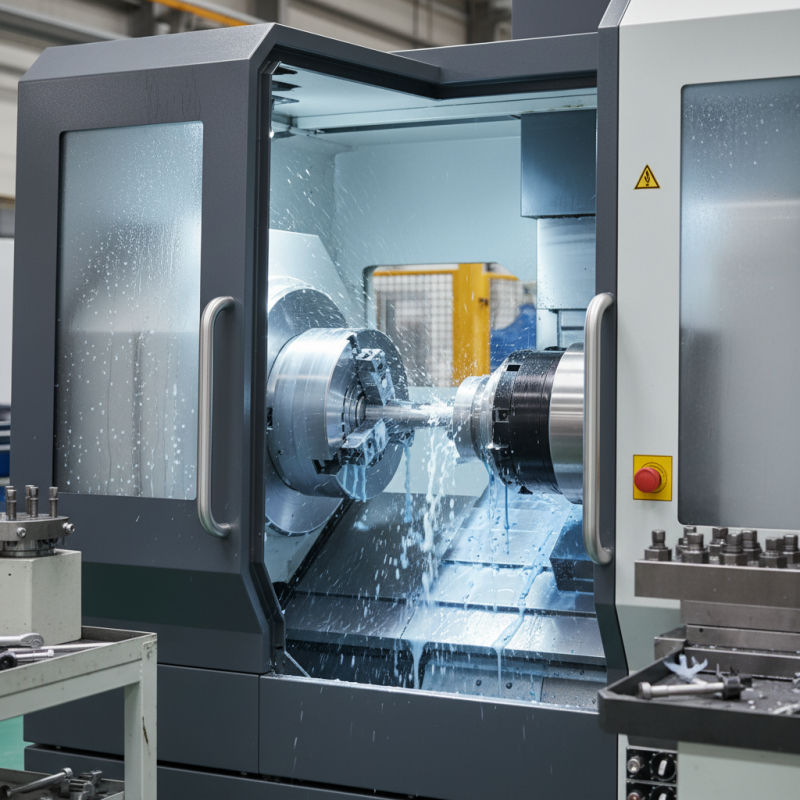
Understanding CNC Turning Centers and Their Applications
CNC turning centers are essential in modern manufacturing. They automate the process of shaping metal and other materials. Many industries use them, from automotive to aerospace. Understanding their applications is crucial when choosing the right machine.
These centers excel in producing cylindrical parts. They can handle complex shapes and intricate designs with high precision. Various features are available to enhance their capabilities. Notably, some models offer live tooling, which allows milling operations while the part is turning. This creates efficiency but can confuse those unfamiliar with the technology.
However, it's essential to evaluate your specific needs. Not every shop requires the latest model with all the bells and whistles. Sometimes, older machines can provide sufficient performance. They may not have the multi-axis capabilities. Still, they can be reliable for straightforward tasks.
Think about the types of parts you produce regularly. The size and specifications should guide your choice. Reflecting on your workflow will help ensure you make a sound decision without overspending.
Key Specifications to Consider When Choosing a CNC Turning Center
Choosing the right CNC turning center requires careful attention to key specifications. These specifications determine the machine's capabilities and suitability for your projects. Start by examining the swing diameter. It affects the size of the workpiece you can handle. Many reports suggest that a swing diameter between 12 to 20 inches is optimal for small to medium-sized operations.
Next, consider the spindle speed. Higher spindle speeds lead to better surface finishes and shorter cycle times. Machines offering spindle speeds of 2000 to 4000 RPM are widely preferred for precision tasks. According to industry data, the average spindle speed can significantly impact your overall production efficiency.
Tip: Prioritize features like automated tool changers. They can reduce downtime and increase throughput.
The control system is another crucial element. Look for user-friendly interfaces, as they directly influence productivity. Ensure that the CNC turning center supports the programming languages your team is proficient in. A mismatch here can cause bottlenecks.
Lastly, weigh the importance of warranty and service support. Some manufacturers may promise extensive warranty periods but lack efficient customer service. Reflect on past experiences. Sometimes, a cheaper model can lead to higher costs due to frequent breakdowns or inadequate support. Aim for a balance between cost and reliability.
Key Specifications to Consider When Choosing a CNC Turning Center
Evaluating Your Production Needs and Material Compatibility
Choosing the right CNC turning center begins with understanding your production needs. Consider the scale of your operations. Are you a small shop or a large factory? Each has different demands. The complexity of the parts you produce also plays a vital role. Complex geometries require advanced machining capabilities. Simplicity, however, often means fewer features are necessary.
Material compatibility is crucial. Different materials require different approaches. For example, metals may need higher speeds, while plastics can work well with lower speeds. Analyze your most common materials. This ensures better performance from the CNC machine.
Tips: Always assess the machine's spindle speed. Higher speeds can significantly reduce cycle times. Check the machine's maximum diameter capabilities too. Remember, not all machines handle every material equally. Test prototypes to ensure quality before fully committing to a machine. This step is often missed but is essential for optimal production. Evaluate how your existing tools will fit with new equipment. Proper planning reduces future headaches.
Comparing Different Brands and Models of CNC Turning Centers
When selecting a CNC turning center, it's essential to explore various brands and models. Each offers unique features and capabilities. Some machines excel in speed, while others prioritize precision. Understanding your specific needs will help narrow down your options effectively.
Consider key aspects like spindle speed and tool capacity. A machine that can handle a variety of tools may save time in production. However, not all centers come equipped with the latest technology. Some may require manual adjustments, which can affect efficiency. It’s vital to evaluate what you need versus what is available.
Also, user feedback can guide your decision. Experienced operators often highlight pros and cons. They may point out issues like maintenance costs or software usability. Without this insight, you might overlook critical features that impact your workflow. Balancing features with overall reliability is essential in making the right choice.
Assessing Budget and Long-term Maintenance Costs for CNC Machines
When considering a CNC turning center, budget is crucial. Initial costs can be high, but long-term maintenance often adds up. This factor can determine the machine's overall affordability. You must analyze not just the sticker price but also the cost of replacement parts, tooling, and skilled labor.
Tip: Consider setting aside a percentage of your budget for maintenance. This fund will help cover unexpected repairs. Investing in training for your staff may reduce future costs significantly. Skilled operators can extend machine life through proper care and handling.
Maintenance schedules can also be tricky. Some machines require more frequent upkeep than others. Regular service, lubrication, and inspections can prevent larger issues. Sometimes, cheaper machines end up costing more due to poor workmanship and wear.
Tip: Research common issues reported by current owners. Their experiences can guide your decision-making process. Don't overlook warranty terms and what they cover. A good warranty can significantly lower the total cost of ownership.