Top 5 Tips for Choosing Metal Hose Fittings for Your Needs?
Choosing the right Metal Hose Fittings is crucial for ensuring the efficiency and safety of your fluid transfer systems. According to industry reports, improper fittings can lead to leaks, pressure drops, and equipment failures. The global metal hose fittings market is projected to grow significantly, reflecting their importance across various sectors, including automotive, aerospace, and manufacturing.
When selecting metal hose fittings, consider factors such as material, pressure ratings, and compatibility with fluids. It's essential to understand that not all metal hose fittings are created equal. The wrong choice can compromise system integrity. For example, stainless steel fittings often offer superior corrosion resistance compared to aluminum but may lack flexibility.
Despite advancements, there are still common pitfalls to avoid. Many buyers underestimate the importance of proper sizing and application. Metal hose fittings must match your specific needs to prevent operational inefficiencies. An informed choice will enhance performance and reliability, reducing downtime and costs associated with replacements.
Understanding the Different Types of Metal Hose Fittings Available
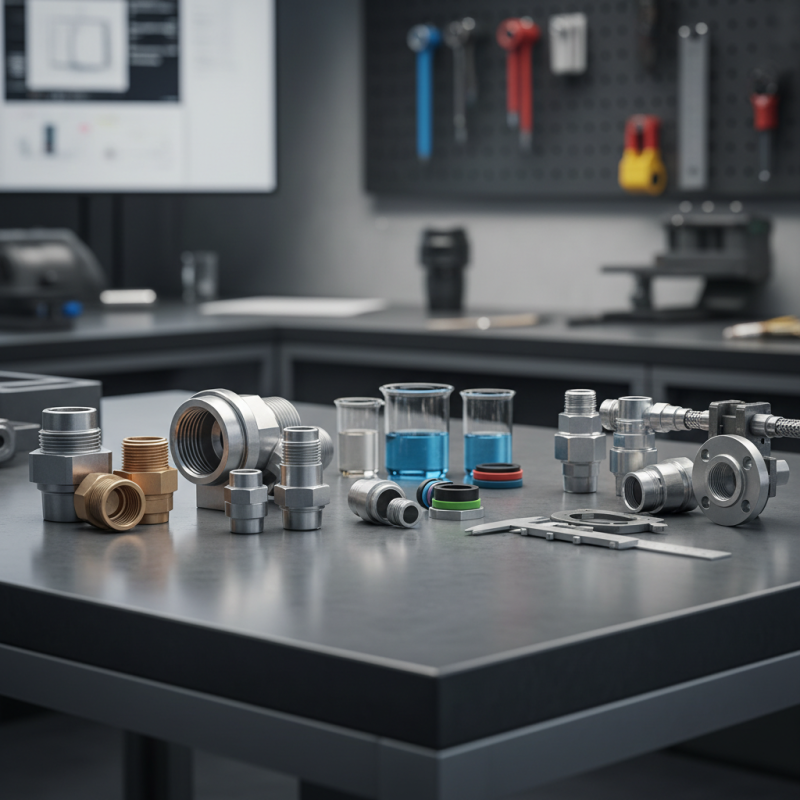
When choosing metal hose fittings, understanding the different types available is essential. Common options include threaded, flanged, and quick-disconnect fittings. Each type serves a unique purpose. For instance, threaded fittings offer a secure connection but might be challenging to install in tight spaces. Consider your workspace carefully.
Flanged fittings are great for larger hoses. They provide a stable connection but might require additional hardware. Quick-disconnect fittings, on the other hand, allow for easy attachment and removal. However, they can wear out quickly and may not handle high pressure effectively. Assess your specific needs to choose wisely.
It’s important to think about material choices. Stainless steel is popular due to its corrosion resistance. However, brass fittings may be more economical and easier to work with. The right choice can depend on factors such as temperature and pressure ratings. Stay informed about the latest industry standards to ensure reliability. Balancing these elements can seem daunting, yet it is key to making an informed decision.
Assessing the Compatibility of Fittings with Your Hose Materials
When selecting metal hose fittings, compatibility with hose materials is crucial. Different materials react differently under pressure and temperature. For instance, stainless steel fittings work well with rubber and PVC hoses. However, they may not be suitable for certain chemical applications. Understanding these nuances helps prevent hazards.
Consider the application environment. Will the hoses be exposed to extreme temperatures or corrosive substances? If so, choose fittings made from treated metals. Non-corrosive options like brass may offer better longevity in certain situations. Testing compatibility is often overlooked. Many users assume all metal fittings are interchangeable, but that’s not always true.
Conducting thorough research is essential. Reading technical data sheets can provide insights into material compatibility. Consulting with industry experts also helps in making informed choices. Recognizing the importance of proper fittings can lead to increased efficiency and safety in your operations. Mistakes can happen, but ensuring compatibility is worth the effort to mitigate risks.
Evaluating Pressure and Temperature Ratings for Metal Fittings
When selecting metal hose fittings, understanding pressure and temperature ratings is crucial. These fittings often operate in challenging conditions. The American Society of Mechanical Engineers (ASME) indicates that fittings can experience pressures up to 3,000 psi. It is essential to choose fittings that can exceed the application's maximum pressure requirements. This provides a safety margin and helps avoid failures.
Temperature ratings also greatly impact the performance of metal fittings. Many fittings can withstand temperatures between -50°F to 1,200°F. However, materials like stainless steel can handle extreme temperatures better than others. It's vital to assess the fitting material against the application's temperature extremes. Consult engineering data sheets for specific ratings and material properties.
A common mistake is underestimating these ratings. Operators must consider both static and dynamic conditions. Environments with significant temperature fluctuations may lead to increased wear. Therefore, understanding the application context is necessary. Keep in mind that each application may reveal its own challenges. Careful evaluation ensures longevity and reliability in your metal hose fittings.
Top 5 Tips for Choosing Metal Hose Fittings for Your Needs
| Tip | Description | Pressure Rating (psi) | Temperature Rating (°F) |
| 1. Assess Application Needs | Evaluate the specific application requirements to select the right fitting type. | 3000 | 250 |
| 2. Check Compatibility | Ensure fittings are compatible with the hose material used in your application. | 2500 | 200 |
| 3. Evaluate Pressure and Temperature Ratings | Review the maximum pressure and temperature ratings to ensure safety and performance. | 4000 | 300 |
| 4. Material Selection | Choose corrosion-resistant materials for durability in harsh environments. | 3500 | 250 |
| 5. Consult with Experts | Seek advice from specialists to choose the right fitting based on specific requirements. | 5000 | 350 |
Considering the Environmental Factors Impacting Fitting Selection
When selecting metal hose fittings, environmental factors are crucial. Temperature fluctuations, humidity levels, and exposure to chemicals can greatly affect performance. For instance, high humidity can lead to corrosion if inappropriate materials are used. Understanding these elements allows for better choices, which enhance durability and reliability.
Another aspect to consider is the fitting’s compatibility with the environment. A fitting exposed to harsh chemicals needs to be made of resistant materials. Likewise, fittings used outdoors must withstand UV rays and other elements. Many consumers overlook this, leading to premature failure of components. Investing time in researching the right materials is essential for long-term efficiency.
In some cases, it may be tempting to choose more affordable options. However, cheaper fittings may not hold up against environmental stressors. This decision can lead to frequent replacements and increased costs in the long run. Reflecting on these choices can prevent unnecessary setbacks, ensuring you select fittings that genuinely meet your needs.
Top 5 Considerations for Metal Hose Fittings
Budgeting for Quality: Cost vs. Durability in Hose Fitting Choices
When selecting metal hose fittings, budgeting becomes crucial. Quality often comes at a higher cost, and understanding this relationship is key. Cheaper options might save you upfront, but they can lead to more expenses in the long run. Durability plays a significant role. Low-cost fittings may not withstand harsh environments or prolonged usage. This can result in frequent replacements.
Investing in high-quality fittings could mean a higher initial cost. However, consider the total cost of ownership. Durable fittings can reduce downtime and enhance system efficiency. Visualize a project where delays due to hose failures lead to significant losses. Reflecting on these scenarios helps prioritize the right fittings based on real needs.
Ultimately, balance is necessary. Researching materials and construction methods is essential. Many may overlook the importance of these details, but they dictate performance. Seek expert advice or consult resources to make informed choices. The decisions you make now influence your operational success for years to come.