How to Choose the Best Portable Water Chiller for Your Needs?
Choosing the right portable water chiller can be challenging. There are many options available, making the selection process overwhelming. A portable water chiller is essential for maintaining optimal temperatures in various settings. From outdoor events to industrial applications, these devices play a crucial role in ensuring comfort and efficiency.
Consider your specific needs. Are you cooling beverages for a party, or do you require a chiller for an industrial process? Knowing your requirements can simplify your search. Many models vary in performance and size. Some might not fit your space or budget. It's vital to evaluate your options carefully.
Don’t forget about the features that matter most to you. Some portable water chillers may lack important functionalities. Look for energy efficiency and reliability. You might find a chiller that works well but consumes too much power. In the end, the perfect portable water chiller balances quality, performance, and cost, improving your overall experience.
Understanding the Basics of Portable Water Chillers
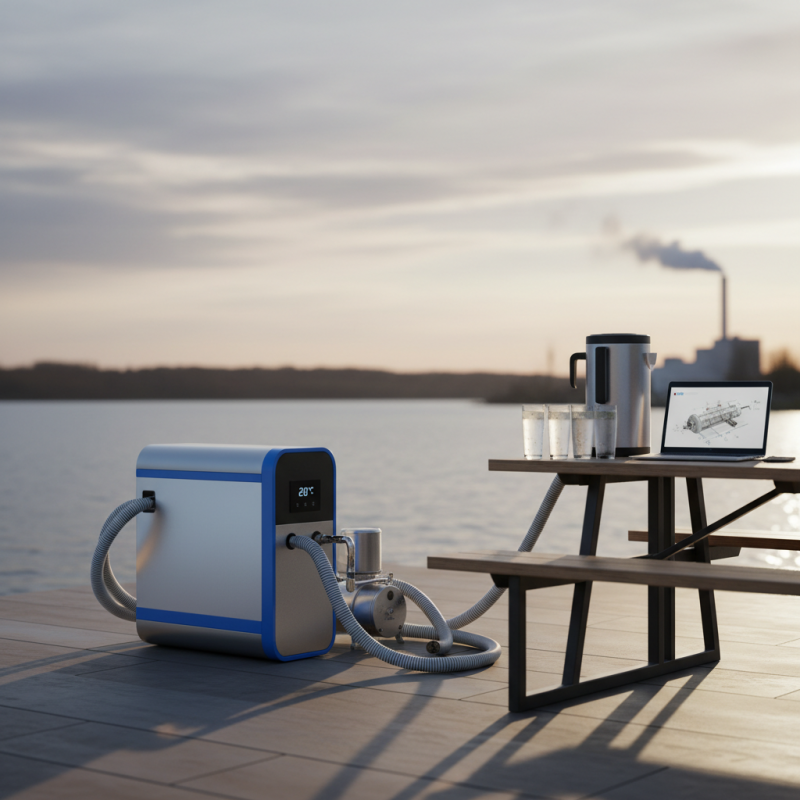
When exploring portable water chillers, it’s essential to grasp their fundamental mechanics. These units typically operate using refrigeration cycles, much like traditional chillers. They withdraw heat from the water, effectively lowering its temperature. According to a recent industry report, portable water chillers can reduce water temperature by up to 10°C in a matter of minutes, which is crucial for various applications like data centers or events.
Different types of portable chillers cater to diverse needs. For example, air-cooled chillers are generally easier to install. They rely on ambient air to dissipate heat. In contrast, water-cooled models are often more efficient but demand more space and proper water supply. Research indicates that efficiency can vary dramatically; some units may achieve up to 17% greater energy efficiency when compared to their counterparts.
Choosing the right model involves balancing capacity, efficiency, and specific application requirements. It's common to overlook noise levels, yet they can impact comfort in environments. Users should evaluate noise ratings during decision-making. As noted in an equipment review, a quieter model might be worth the investment, especially in residential settings. Overall, awareness of these basics can significantly enhance your selection process.
Comparative Analysis of Portable Water Chillers
This bar chart compares the performance characteristics of three different portable water chiller models, focusing on their cooling capacity, power consumption, weight, and noise level. This information can help you make an informed choice based on your specific needs.
Identifying Your Cooling Requirements and Capacity Needs
When selecting a portable water chiller, understanding your cooling requirements is crucial. Start by assessing the environment where it will be used. Is it for a small indoor space or a large outdoor event? Identify the number of people it needs to accommodate and the size of the area. This insight will help pinpoint the necessary cooling capacity.
Next, think about the duration of usage. Will it run continuously or intermittently? A unit with a higher capacity might be essential for extended use. Also, consider energy efficiency. Sometimes, a high-capacity model can lead to increased energy costs. Balancing capacity with efficiency can be a challenge. You may find that a smaller unit works just fine for occasional use.
Don’t forget maintenance needs. Some models require more upkeep than others. Reflect on how much time you can dedicate to maintenance. It’s okay to admit that the ideal unit might not exist. Each option has its pros and cons. Explore different features and think about your unique situation.
Evaluating Energy Efficiency and Operating Costs
When choosing a portable water chiller, energy efficiency is key. Look for models that consume less energy while providing optimal cooling. These chillers can significantly reduce your electricity bills. A good chiller should balance performance with low power usage.
Consider the operating costs as well. Factors like maintenance and repair add up. Regular maintenance can extend the life of the unit, but it requires time and sometimes money. Some users find themselves spending more on repairs than expected. This impacts the overall budget.
**Tips:** Check energy ratings before purchasing. Look for reviews that mention durability. Think about your specific needs, as expectations can vary. Are you cooling small amounts or larger tanks? Reflect on how often you’ll use it. Your choice should fit your usage patterns, not just a fancy model.
How to Choose the Best Portable Water Chiller for Your Needs? - Evaluating Energy Efficiency and Operating Costs
| Model |
Cooling Capacity (BTU/hr) |
Energy Efficiency Ratio (EER) |
Operating Cost ($/month) |
Weight (lbs) |
Portability Features |
| Model A |
5000 |
12.0 |
$30 |
45 |
Wheeled, Compact Design |
| Model B |
8000 |
10.5 |
$40 |
60 |
Handles, Lightweight |
| Model C |
6000 |
11.0 |
$35 |
50 |
Carrying Case, Easy Setup |
| Model D |
10000 |
9.5 |
$50 |
70 |
Foldable, Durable Construction |
Comparing Features and Brands for Longevity and Performance
When looking for a portable water chiller, features matter. Start with cooling capacity. Some models chill faster than others. Consider the space you have. Larger units often take up more room. But they can also cool more effectively in some cases. Look at ease of use. A complicated interface can lead to frustration. Choose models that are user-friendly.
Noise levels are another factor. Some chillers operate quietly, while others can be disruptive. During a hot day, the sound should not add to your discomfort. Look for durability as well. Materials used in the construction can indicate longevity. Plastic might be lighter, but metal can withstand wear better. Reflect on your use case. If you plan to transport it often, weight plays a critical role.
Do not rush into a decision. Read reviews and compare different models. Experiences from other users offer valuable insights. Ask yourself what is most important to you. Do you need something effective for a small gathering or an event? Find a balance between price and performance. You might find that the cheapest option doesn’t meet your needs. Each choice has its trade-offs. Take your time in selecting the right water chiller.