How to Choose the Best UPC Code Scanner for Your Business?
Choosing the right upc code scanner for your business is crucial. A good scanner improves efficiency in inventory management. However, the options can be overwhelming. Each scanner comes with its features and limitations.
When selecting a UPC code scanner, consider your specific needs. Some scanners excel in speed, while others focus on accuracy. A scanner must fit your particular workflow. Investigate the durability of the device too. A robust, reliable scanner can handle daily wear and tear.
Mistakes can happen if you rush the selection process. An unsuitable scanner can slow your operations. Reflect on your choices carefully. Make sure the upc code scanner meets your business's demands. Reliable technology can lead to smoother operations and better customer satisfaction. Take your time to find a perfect match.
Choosing the Right UPC Code Scanner: Key Considerations for Businesses
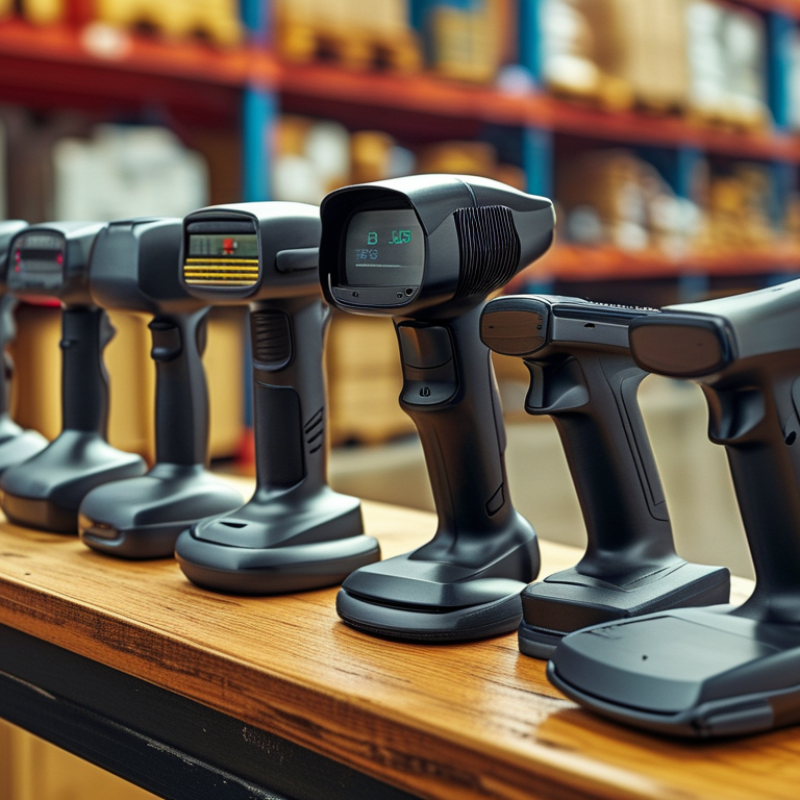
When selecting a UPC code scanner for your business, several key factors must be considered. The type of scanner, for instance, impacts how easily your staff can process transactions. Handheld scanners offer flexibility, while fixed-position options work well in checkout lanes. Consider your workspace layout when making this decision.
Another important aspect is the scanner's compatibility with your existing systems. Ensure it integrates well with your inventory management software. This can streamline operations and reduce errors. Ask questions about software updates and customer support. Reliable after-sales service is crucial.
Tips: Look for scanners that are easy to use and require minimal training for employees. A user-friendly interface can significantly boost efficiency. Additionally, think about the durability of the scanner. A well-built device can withstand daily wear and tear, minimizing replacement costs. Reflect on potential issues with connectivity, as a stable connection is vital for real-time inventory tracking. Choose wisely to enhance your business operations.
Understanding Different Types of UPC Code Scanners Available in the Market
When selecting a UPC code scanner, understanding the various types is crucial. There are several categories to consider: handheld scanners, stationary scanners, and mobile devices. Handheld scanners are versatile and commonly used in retail environments. They offer flexibility, allowing staff to move freely while scanning items. In contrast, stationary scanners are often seen at checkout counters. They provide speed and efficiency, accommodating high-volume traffic.
The choice of technology also matters. Laser scanners are proficient at reading barcodes swiftly. However, they may struggle with damaged codes. Imaging scanners, on the other hand, can decode images directly. According to a recent industry report, around 65% of retail operations benefit from integrating imaging technology. It's important to assess the environment where the scanner will be used. In busy settings, a robust and fast scanner is essential.
Compatibility with existing systems is another factor. A scanner that easily integrates with point-of-sale systems can reduce setup time. However, not all scanners support every software. Investing time in researching compatibility can avoid future challenges. Ultimately, selecting the right type of UPC scanner requires weighing features against specific business needs. There is no one-size-fits-all solution, and what works for one company may not suit another.
Evaluating Scanner Specifications: Speed, Accuracy, and Durability Factors
Choosing the right UPC code scanner requires careful evaluation of specifications. Key factors such as speed, accuracy, and durability significantly impact your business operations. According to industry reports, a scanner's speed can boost checkout times by up to 20%. Customers appreciate fast transactions, which leads to better satisfaction and repeat business.
Accuracy is equally crucial. Inaccurate scans can lead to inventory discrepancies. Research indicates that a 1% error rate in scanning can inflate operational costs by 5%. Businesses should aim for scanners with 99% accuracy to minimize losses.
Durability matters too. Scanners that can withstand drops and harsh environments reduce the risk of downtime. Reports show that rugged scanners often last longer in retail settings, saving you replacement costs over time.
Tips:
- Try to test scanners in your environment.
- Look for user reviews that highlight long-term durability.
- Consider your business’s specific volume needs when choosing a scanner.
Understanding these specifications helps to make a well-informed decision.
Cost Analysis: Budgeting for Your UPC Code Scanner Investment
When it comes to selecting a UPC code scanner, cost should be a primary consideration. A budget-friendly scanner may save funds upfront, but it might not deliver the efficiency your business needs. Look for devices that offer essential features without excessive costs. Analyze the longevity and durability of the scanner. A more expensive model could prove to be a better investment over time.
Think about the total cost of ownership. Beyond the initial price, consider maintenance and accessories. Some scanners require software updates or have limited warranties. Factor in potential repair costs for less reliable brands. It's crucial to evaluate all these elements to understand your true investment.
Mistakes can happen when rushing to decide. Skimping on research may lead to the purchase of a scanner that doesn’t fit your needs. Spending time to compare options could yield better results. Reflecting on past choices can help refine your purchasing strategy. Price is just one piece of the puzzle; reliability and functionality often hold equal weight in the long term.
Integrating UPC Scanners with Business Software: What You Need to Know
Integrating UPC scanners with business software can streamline operations significantly. This integration is vital for real-time inventory management. Accurate data flow improves decision-making. Scanners collect product information instantly, reducing manual errors. Mistakes can lead to financial losses and customer dissatisfaction.
Choosing the right software is crucial. Ensure it supports the UPC format and offers seamless compatibility. Some software might not handle advanced analytics. Think about your business's specific needs. Consider features like reporting and automated reordering. Changes, as they arise, can be hard to manage. Staff training is often overlooked but necessary. Adequate training ensures everyone can use the technology effectively.
Monitoring performance is essential after integration. Regular assessments can reveal issues. These might include slow processing times or data mismatches. Timely updates are necessary to accommodate evolving needs. Technology changes quickly, and businesses must adapt. Continuous learning helps in leveraging the full benefit of integrated systems.