What is Copper Tungsten Electrodes and How Are They Used?
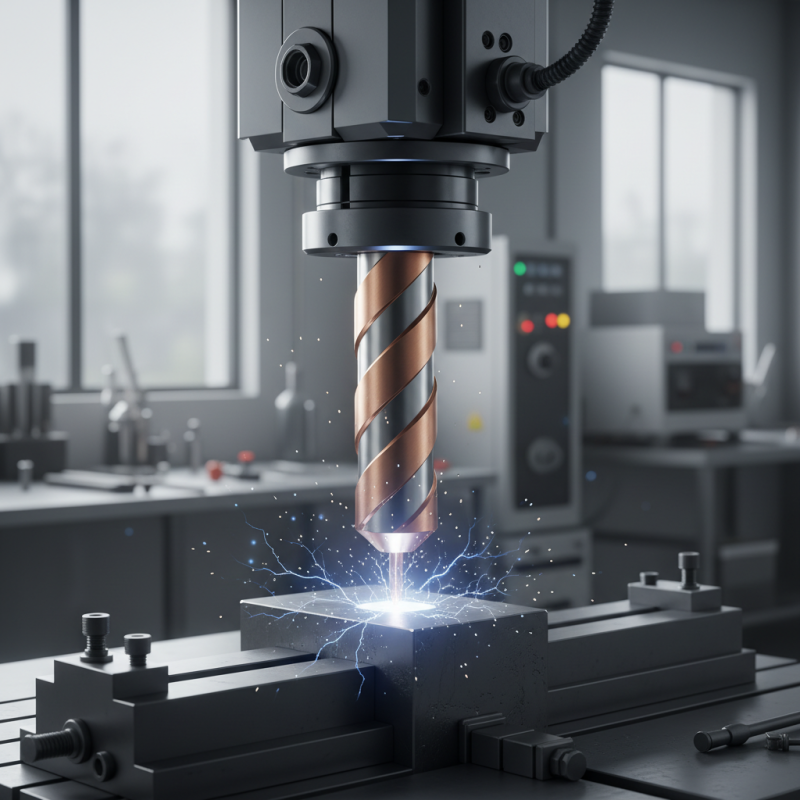
Copper tungsten electrodes are essential components in various industries, particularly in electrical discharge machining (EDM). These electrodes combine the high thermal conductivity of copper with the robustness of tungsten. This unique blend allows for efficient heat dissipation during the machining process. As a result, they enhance the precision and speed of operations.
The properties of copper tungsten electrodes make them stand out. They resist deformation under high temperatures and maintain stability even in challenging conditions. This resilience is vital in applications requiring accuracy and reliability. However, not all copper tungsten electrodes are created equal. Variations in composition can affect performance.
Understanding how to choose and use these electrodes also warrants attention. Some users may overlook the importance of electrode size and shape, impacting overall efficiency. Testing different configurations could lead to notable improvements in machining outcomes. Overall, while copper tungsten electrodes have proven advantages, making informed decisions is crucial for maximizing their potential in industrial applications.
What Are Copper Tungsten Electrodes? An Overview of Their Composition
Copper tungsten electrodes are unique materials combining the high electrical and thermal conductivity of copper with the hardness and strength of tungsten. This fusion allows for effective heat dissipation and improved wear resistance. In welding applications, for example, these electrodes provide excellent performance under high temperatures while ensuring a stable arc. According to industry reports, the market for copper tungsten products is projected to grow significantly, driven by its demand in aerospace and defense sectors.
The composition typically comprises 70% tungsten and 30% copper, although variations exist. This ratio influences thermal and electrical conductivity. Testing often reveals varying performance under extreme conditions. For example, electrodes with higher tungsten content endure more wear but may face challenges in achieving optimal electrical conductivity. With advancements in manufacturing techniques, the customization of these electrodes becomes increasingly feasible, allowing for tailored solutions in specific applications.
However, challenges remain in the production process. Maintaining consistency in quality can be difficult. Variations in the manufacturing process can lead to unpredictable results. It is crucial for engineers to closely monitor performance metrics to ensure reliability. Understanding material properties and their interaction is essential, especially when designing for high-stress applications.
What is Copper Tungsten Electrodes and How Are They Used? - An Overview of Their Composition
| Property |
Copper Tungsten |
Typical Uses |
| Composition |
Copper (60%) and Tungsten (40%) |
Used in high-performance applications due to its excellent conductivity |
| Melting Point |
Approximately 1,085 °C (1,985 °F) |
Suitable for applications requiring high-temperature resistance |
| Electrical Conductivity |
High conductivity due to copper content |
Used in electrical discharge machining (EDM) |
| Thermal Conductivity |
Good thermal conductivity |
Used in applications requiring heat dissipation |
| Durability |
High wear resistance |
Ideal for manufacturing tools and electrodes |
Key Properties of Copper Tungsten Electrodes Affecting Performance
Copper tungsten electrodes blend the best properties of both metals. They feature high thermal and electrical conductivity. These traits enhance their performance in various applications, especially in electric discharge machining (EDM). The unique density and strength of copper tungsten electrodes allow for effective heat dissipation during machining processes.
Key properties affect their performance significantly. For instance, the tungsten content typically varies from 10% to 90%. As the tungsten concentration increases, hardness and wear resistance improve. However, excessive tungsten can make the material too brittle for some applications. A balance is crucial to achieve optimal performance. A tech report from the International Journal of Advanced Manufacturing Technology notes that the ideal ratio is around 70% tungsten for reliable use in high-performance environments.
Tips: Always consider the thermal stability required for your application. Testing different compositions can reveal better results based on specific operational needs. Moreover, be aware of the potential brittleness that comes with higher tungsten content. Regularly revisiting and adjusting your electrode choices can lead to improved machining accuracy and efficiency, reducing costs in the long run.
Applications of Copper Tungsten Electrodes in Electrical Discharge Machining
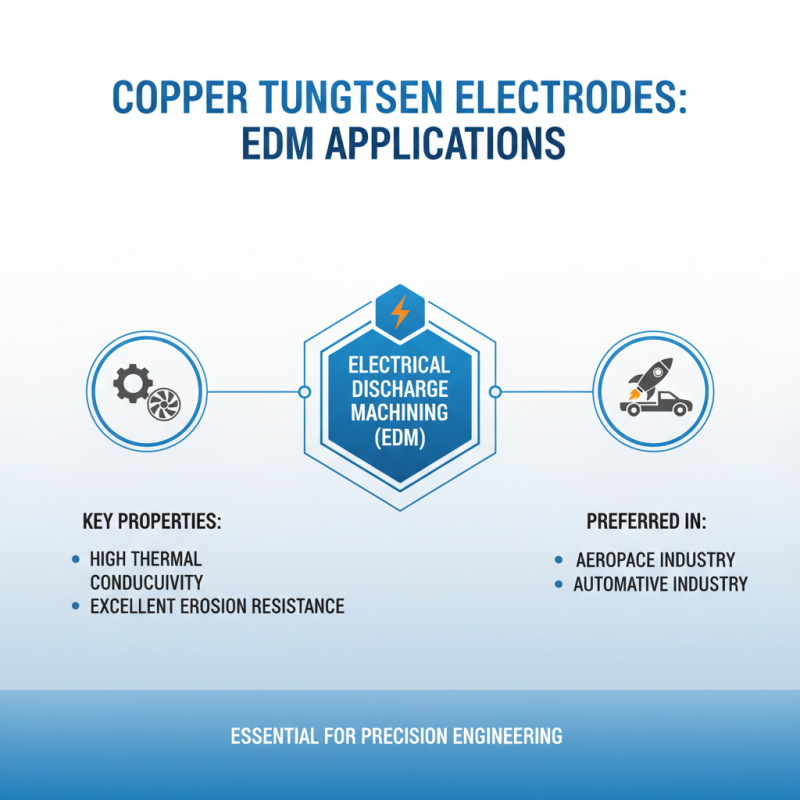
Copper tungsten electrodes are essential in electrical discharge machining (EDM). They combine high thermal conductivity with excellent erosion resistance. Their unique properties make them a preferred choice in various industries, especially aerospace and automotive.
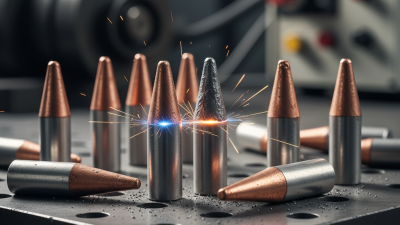
In EDM, these electrodes generate sparks that erode material with precision. The process involves creating a dielectric fluid environment, which enhances the discharge performance. For complex shapes and fine details, copper tungsten excels. Its high melting point ensures durability during prolonged use. However, challenges can arise, such as maintaining optimal machining parameters. Adjusting the electrode shape and size may be necessary to achieve the best results.
Users need to rethink their typical approaches. Occasionally, unexpected wear could influence production schedules. This emphasizes the importance of regular monitoring and adjustments. Over time, learning from these experiences can lead to more efficient operations. Embracing these insights fosters innovation and continuous improvement in machining techniques.
Comparison of Copper Tungsten with Other Electrode Materials
Copper tungsten electrodes are gaining traction in various industrial sectors. Their unique combination of electrical conductivity and thermal resistance makes them ideal for specific applications. For instance, they are often utilized in arc welding and electrical discharge machining. This versatility is due to copper's excellent conductivity alongside tungsten's hardness and heat resistance.
When comparing copper tungsten electrodes with other materials like graphite and pure copper, notable differences arise. Graphite electrodes, while cheaper, are less durable. They can wear down quickly under extreme conditions. Pure copper electrodes excel in conductivity but lack the thermal resistance needed for high-temperature applications. Thus, copper tungsten often strikes a balance, offering both efficiency and longevity. However, choosing the right electrode material requires careful consideration of operational needs and cost implications.
Future Trends and Innovations in Copper Tungsten Electrode Technology
The future of copper tungsten electrode technology is bright. These electrodes are vital in various applications, especially in the aerospace and automotive industries. Their unique properties make them ideal for high-precision tasks. They withstand extreme temperatures and have excellent conductivity. This ensures reliability in critical operations.
Recent innovations are focusing on enhancing performance. Researchers are experimenting with different compositions. This aims to improve wear resistance and thermal stability. Such advancements are necessary to meet the rising demands of advanced manufacturing processes. The integration of digital technologies may also play a key role. Smart sensors can monitor electrode performance, providing real-time data.
Despite the progress, challenges remain. The production process can be complex and costly. Many manufacturers struggle with consistency in quality. Addressing these issues is crucial for broader adoption. Continuous innovation and collaboration between industry players will drive improvements. This approach is essential to unlock the full potential of copper tungsten electrode technology.