What Are the Different Types of Metal Welding?

Metal welding is not one process, but a family of methods for joining metals with heat, pressure, or both. The right choice can affect a weld’s strength, appearance, cost, and suitability for its working environment. A thin stainless-steel panel, for example, calls for different control than a thick structural plate. That difference matters.

Dr. Robert W. Messler Jr., a specialist in materials joining, has written extensively about welding processes. A paraphrase of a central principle in his work is: “Choose the joining process to suit the materials, joint design, and service demands.” This is practical guidance, not a promise that one method will fit every job. Weld quality also depends on preparation, operator skill, equipment, and inspection.

This guide introduces common metal welding types, including MIG, TIG, stick, and flux-cored arc welding, along with resistance and other specialized methods. Each has trade-offs. MIG can be efficient for suitable production work; TIG offers precise control but demands a steady hand. Stick welding tolerates outdoor conditions well, though its slag must be removed. Those distinctions are useful, but real work can be less tidy than a comparison chart suggests. Material thickness, access, and the finished part’s purpose may change the choice. The sections ahead explain how each process works, where it is commonly used, and what to consider before selecting one.
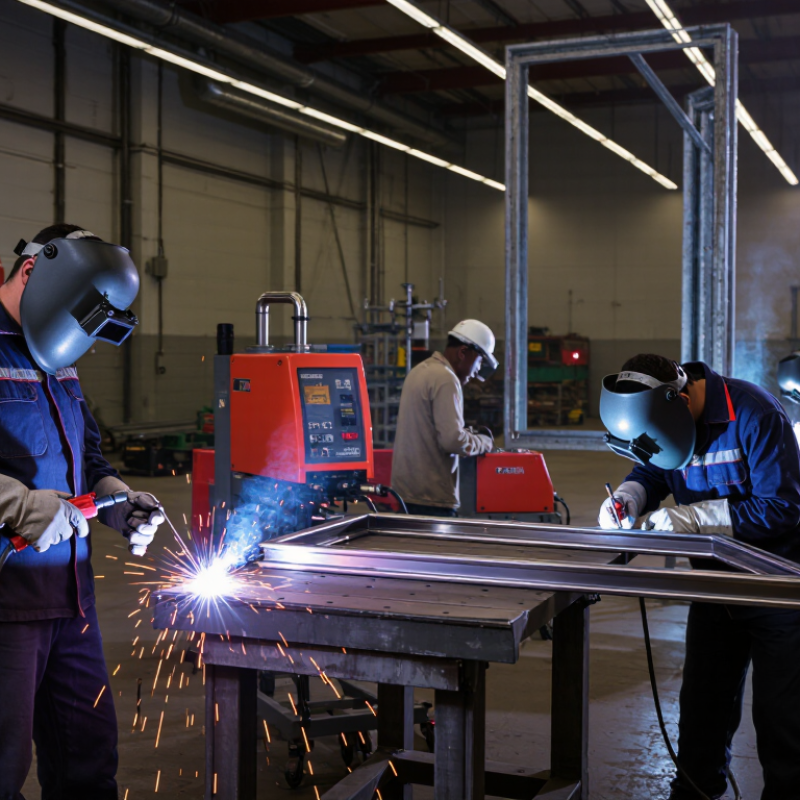
What Are the Different Types of Metal Welding?

How Metal Welding Processes Are Classified

Metal welding processes are commonly classified by how they create heat and whether the base metals melt. In fusion welding, the joint forms as the edges melt, sometimes with added filler metal. Arc welding uses an electric arc; gas welding relies on a flame. Resistance welding heats parts through electrical resistance and pressure, often joining thin sheets at specific points. Small sparks, different methods.

A second useful distinction is the heat source and working environment. Laser and electron-beam welding concentrate energy in a narrow area, which can limit distortion but requires careful setup. Shielded arc processes use gases or flux to protect hot metal from air. The choice of protection affects weld quality, especially when the surface is dirty or drafts disturb the shielding.

Not every process fits neatly into one box. Solid-state methods, such as friction welding, join metals without melting the main surfaces. Some processes combine pressure, heat, and filler in ways that blur simple categories. That can make classification feel less tidy than a chart suggests. In practice, welders also consider metal thickness, joint shape, access, and the finished part’s service conditions. A clean, narrow seam on a thin panel calls for different control than a thick structural joint. The labels help compare methods, but they do not replace testing or skilled inspection.

Arc Welding Methods and Their Key Differences

Arc welding processes differ in how they create heat, feed filler metal, and shield the molten pool. Shielded metal arc welding, or SMAW, uses a flux-coated stick electrode. It handles outdoor repairs well, but frequent electrode changes slow production. Gas metal arc welding, or GMAW, feeds wire continuously and uses shielding gas. It suits clean, repeatable work, though drafts can disturb the gas shield. Small detail, big consequence.

Flux-cored arc welding also feeds wire, but its tubular electrode contains flux. This can support higher deposition rates and outdoor work, depending on the wire and setup. Gas tungsten arc welding, or GTAW, uses a nonconsumable tungsten electrode and gives precise control over thin sections and visible joints. It is slower and demands steadier hand coordination.

The American Welding Society’s 2023 workforce outlook projected a need for 330,000 welding professionals by 2028; that figure describes workforce demand, not process performance.

In practice, fit-up, position, material thickness, and wind may matter as much as the process label. A tidy comparison chart can hide that. A test bead on the actual joint often reveals more.

Gas and Resistance Welding Processes

Gas welding uses a flame, commonly produced by burning fuel gas with oxygen, to melt metal edges. The operator guides the torch and may add filler rod to build the joint. Heat moves gradually, so this process suits repair work and thinner sections where careful control matters. The flame’s color and sound offer clues, but they do not replace sound technique. It takes practice.

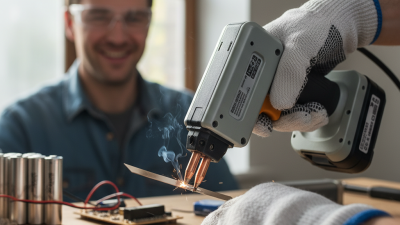
Resistance welding joins metal by passing electric current through pieces held under pressure. In spot welding, copper-alloy electrodes squeeze overlapping sheets, and heat forms a small fused nugget between them. The cycle is fast and needs no filler metal. Consistent results depend on clean surfaces, suitable current, pressure, and timing. Poor alignment can leave weak or uneven spots, and the method is less suited to joints the electrodes cannot reach.

Tips: Check the workpiece thickness and joint design before choosing a process. For resistance welding, inspect electrode tips for wear and keep contact surfaces clean. For gas welding, secure cylinders upright, check connections for leaks, and use suitable eye and skin protection. Watch the puddle. If a weld looks uneven, pause and review heat input, fit-up, and technique rather than assuming more heat will fix it.

What Are the Different Types of Metal Welding? — Gas and Resistance Welding Processes
Process Group Welding Process How the Joint Is Made Filler Metal Typical Materials and Thickness Common Uses Key Consideration
Gas welding Oxy-acetylene welding A flame produced by burning acetylene with oxygen heats the joint edges until they fuse. The operator may add filler metal to the molten weld pool. Optional; commonly used when joint design or material thickness calls for it. Many ferrous and non-ferrous metals, especially thin sections and repair work. Maintenance, repair, light fabrication, and joining or heating metal parts. Flame heat is relatively broad and the process is slower than many arc or resistance methods; heat control is important to limit distortion.
Gas welding Oxy-hydrogen welding Hydrogen burned with oxygen produces a flame that heats the joint. The workpieces can fuse directly, with filler added where needed. Optional, depending on the joint and material. Thin sections and materials for which a clean, controlled flame is useful. Specialized light fabrication, small-part work, and some precision heating applications. Less commonly used for general fabrication than oxy-acetylene welding; suitable equipment and safe gas handling are essential.
Resistance welding Resistance spot welding Electrodes clamp overlapping sheets together. Electric current generates heat at the contact area, and pressure forms a localized weld nugget. None; the sheets are joined directly. Overlapping sheet metal, commonly steel and some non-ferrous alloys. Automotive bodies, enclosures, appliances, and other sheet-metal assemblies. Best suited to accessible lap joints; electrode condition, current, time, and force affect weld quality.
Resistance welding Resistance seam welding Rotating wheel electrodes apply current and pressure along a joint. Successive, overlapping welds can form a continuous, leak-resistant seam. None; the base materials are joined directly. Overlapping sheet or strip, often in relatively thin sections. Sealed containers, tanks, drums, and sheet-metal components requiring a continuous seam. Requires a consistent joint path and suitable wheel-electrode access; settings determine whether the seam is continuous or intermittent.
Resistance welding Projection welding Raised projections or formed features concentrate current and heat at specific points while the parts are pressed together. None; the workpieces fuse at the contact points. Sheet metal, nuts, studs, and components designed with weld projections. Attaching fasteners and making several welds in one press cycle. Projection shape and dimensions must be controlled to concentrate heat consistently.
Resistance welding Flash-butt welding Current produces flashing and heat as the ends of two parts approach. The heated ends are then pressed together to complete the joint. None; the joint forms from the workpiece material. Bars, rods, rails, rings, and other parts with matching end faces. Joining rail sections, chain links, rings, and structural or mechanical components. Usually requires specialized equipment and produces flash that may need to be removed after welding.

Solid-State Welding Methods for Metal Joining

Solid-state welding joins metals without creating a conventional molten pool. Heat, pressure, or vibration brings clean surfaces into close contact; the balance depends on the process. Friction welding rubs parts together, then applies force to form a bond. Friction stir welding uses a rotating tool to soften and mix material along a seam, often in plate or sheet. Ultrasonic welding combines pressure with high-frequency vibration, making it useful for thin components and small tabs. Diffusion welding uses heat, pressure, and time, so it is better suited to controlled assemblies than quick field repairs. No molten pool forms.

These methods can limit distortion and help join some dissimilar metals, but results depend on material, surface condition, and joint design. Oxides, oil, or uneven pressure can weaken a bond. Fit matters. Operators should follow qualified procedures and inspect joints using methods suited to the part and its service conditions. A process that works well on a small coupon may behave differently on a larger assembly. That detail is easy to underestimate.

Tips: Clean mating surfaces and check alignment before welding. Record key settings, such as force and cycle time, for repeatability. If a joint looks sound, do not assume it is strong; use appropriate testing. I would still verify the process on representative samples first.

How Material and Application Affect Process Choice

What Are the Different Types of Metal Welding?

How Material and Application Affect Process Choice

The right welding process depends on the metal, its thickness, and the finished part’s job. MIG welding is often practical for steel fabrication and longer production runs. TIG offers precise control on thin stainless steel or aluminum, though it usually takes more time. Stick welding can suit outdoor repairs, where wind may disrupt shielding gas. These are starting points, not fixed rules. Heat control matters.

The joint and work environment matter just as much as the base metal. A thick steel frame may tolerate a higher heat input, while a thin sheet can warp or burn through. Aluminum’s oxide layer needs careful preparation, and access to a tight joint may rule out some equipment. For repetitive factory parts, speed and consistency can outweigh appearance. For a visible handrail, a cleaner finish may deserve more attention. In practice, the first choice is not always the best; a trial weld can reveal problems.

Tips: Clean the joint, confirm the material and thickness, and test settings on scrap of the same metal. Check penetration and distortion, not just the bead’s appearance. If the part carries a critical load, use an appropriate qualified procedure and inspection.

Typical Deposition Rates by Welding Process

These approximate ranges show how much weld metal each process can deposit per hour. Actual rates vary with settings, consumables, position, joint design, and operator. Deposition rate is only one factor in process choice: TIG is often selected for precise work and thin sections, while MIG and flux-cored welding are common for productive fabrication. Stick welding is valued for portability, and submerged arc welding is suited to high-volume work on large, often flat or rotated, joints. Material compatibility and access also matter.