What is Energy Storage System and How Does it Work?
Energy Storage System (ESS) plays a crucial role in today's energy landscape. With the increasing reliance on renewable energy sources, effective storage solutions are vital. An ESS allows us to capture and store energy for later use, balancing supply and demand.
The technology behind an Energy Storage System can vary. It includes batteries, pumped hydroelectric storage, and compressed air systems. Each type has its strengths and weaknesses. For instance, while batteries offer quick storage and retrieval, they may degrade over time. Understanding these differences is key to optimizing energy management.
Recent advancements show promise but also raise questions. We need to consider impacts on the environment and system efficiency. Often, the best solution is not a single type but a combination of several systems. As the energy landscape evolves, so too must our approaches to storage. The Energy Storage System is more than just technology; it is a pivotal element in achieving a sustainable future.
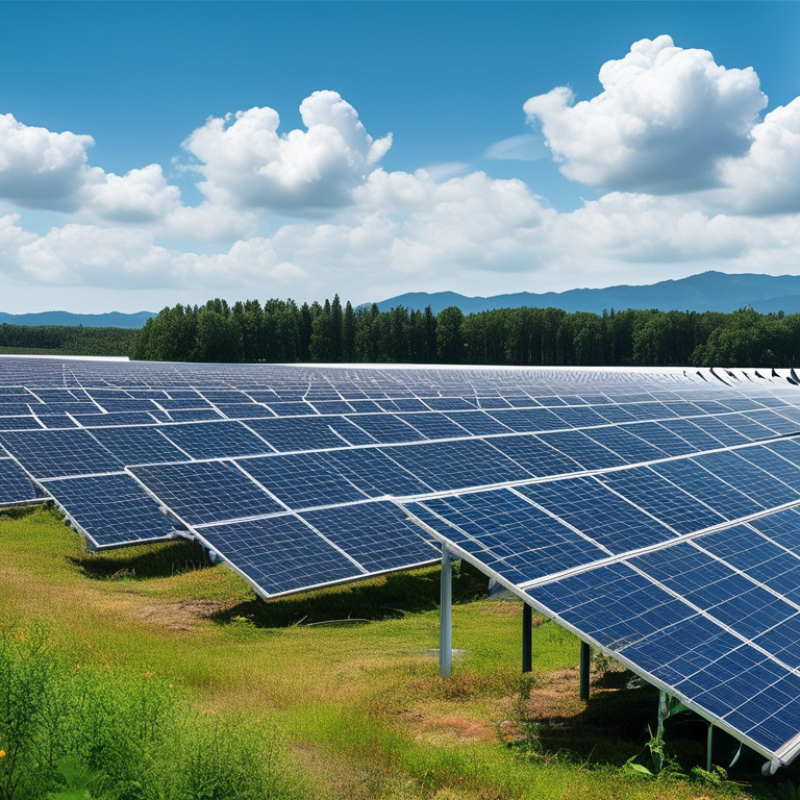
What is an Energy Storage System? Definitions and Key Components
An Energy Storage System (ESS) is a critical technology for balancing supply and demand in energy management. It acts as a reservoir, storing energy for later use. Key components of an ESS include batteries, power electronics, and systems for control and monitoring. These systems support renewable energy integration, allowing for a stable and reliable energy supply.
According to a report from the International Energy Agency, global installed energy storage capacity reached 180 gigawatts by the end of 2021. This capacity plays a vital role in maintaining grid stability, especially with the rise of intermittent renewable sources. Over 80% of new installations involve lithium-ion batteries. Despite their popularity, these systems face challenges such as degradation over time and recycling concerns.
Energy storage innovations are crucial for future sustainability. However, they need rigorous assessments to ensure reliability. Moreover, many existing solutions have limitations regarding cost and performance. By addressing these issues, the industry can enhance energy resilience, paving the way for a cleaner energy future.
Types of Energy Storage Systems: Exploring Battery, Thermal, and Mechanical Solutions
Energy Storage Systems (ESS) are crucial for managing energy supply and demand. Among the various types, battery, thermal, and mechanical storage solutions stand out due to their unique advantages.
Battery systems, notably lithium-ion and flow batteries, store energy in chemical form. They release energy when needed, making them ideal for grid support and renewable integration. However, battery systems can be expensive and have a limited lifespan, requiring replacement. Another challenge is the environmental impact of battery production and disposal.
Thermal storage systems use heat to store energy. They can be more efficient than batteries in specific applications. An example includes concentrating solar power plants, which store heat for later electricity generation. Mechanical solutions, like pumped hydro storage, use gravitational potential energy. Water is pumped to a higher elevation and released to generate electricity. Unfortunately, these systems are site-specific, thus limiting their deployment. Understanding these advantages and challenges helps in choosing the right energy storage solution for various applications.
How Energy Storage Systems Function: Mechanisms and Technologies Explained
Energy Storage Systems (ESS) play a crucial role in modern energy management. These systems store energy for later use, thus balancing supply and demand. Energy storage can be achieved through various technologies such as batteries, flywheels, and pumped hydro storage. Each method has unique mechanisms that determine its efficiency and application.
Batteries, for example, store electrical energy chemically. When the demand arises, they release this stored energy back into the grid. Flywheels, on the other hand, convert electrical energy into kinetic energy. They spin at high speeds, maintaining energy until needed. Pumped hydro storage utilizes gravitational potential energy, pumping water uphill to store energy for later generation.
When choosing an energy storage solution, consider efficiency, lifespan, and response time. Each technology has pros and cons that might not fit every scenario perfectly. Assess the requirements of your project carefully. Evaluating different systems is essential to optimize your energy strategy.
Energy management isn't perfect. There will be limitations and unexpected challenges. It's important to stay informed and reassess your energy needs periodically. Understanding the underlying mechanics of these systems can lead to more effective implementation and enhance overall sustainability.
Applications of Energy Storage Systems in Renewable Energy and Grid Stability
Energy Storage Systems (ESS) play a crucial role in integrating renewable energy sources into the grid. Solar and wind power generation are inherently variable. Energy storage helps to smooth the supply and demand mismatch. According to a 2022 report by the International Energy Agency, global energy storage capacity reached over 15 gigawatts, reflecting a 30% increase from the previous year. This growth indicates a shift towards more sustainable energy solutions.
Applications of ESS are diverse. In renewable energy, they allow for the storage of excess energy generated during peak production times. This stored energy can be released during periods of low production, enhancing grid stability. Furthermore, energy storage systems help with frequency regulation, improving the resilience of the electric grid. A study published in 2023 demonstrated that more than 70% of grid operators now leverage energy storage to manage peak loads effectively.
Managing energy storage systems requires careful consideration. It's crucial to evaluate system size and efficiency. Some installations may face difficulties in balancing costs and performance. Regular maintenance is essential for optimal operation. Keeping abreast of technological advancements helps in making informed decisions about upgrades and expansions. Each project should reflect unique energy demands and capabilities to ensure sustainability and reliability.
Market Trends and Projections: The Future of Energy Storage Industry by 2030
The energy storage industry is evolving rapidly. By 2030, experts predict significant advancements in technology and increased adoption across various sectors. The growing need for renewable energy sources drives this change. As more solar and wind power come online, energy storage becomes crucial for balancing supply and demand. It helps ensure a reliable, steady energy flow.
Investments in new storage technologies are surging. From lithium-ion batteries to innovative long-duration storage solutions, there is much to watch. These technologies not only enhance efficiency but also reduce costs. There are challenges, though. Some solutions still lack scalability or face manufacturing hurdles. Industry stakeholders must address these issues to realize the full potential of energy storage.
Future projections highlight a diverse landscape. The integration of energy storage can bolster grid reliability and facilitate electrification of transportation. However, market volatility and regulatory frameworks may impact growth. Companies must navigate these complexities and remain adaptable. Continuous research and development will play a significant role in overcoming obstacles and achieving a sustainable energy future.