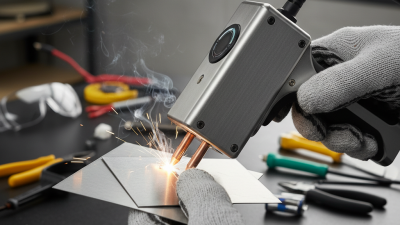
In the ever-evolving world of DIY projects, the portable spot welder has emerged as an indispensable tool for enthusiasts and professionals alike. As we step into 2025, the versatility and convenience of this compact welding device are attracting creators, hobbyists, and even beginners eager to tackle a variety of metalworking tasks. From automotive repairs to crafting intricate metal art, the portable spot welder offers the flexibility and power necessary to achieve high-quality welds without the constraints of traditional welding setups.
This ultimate guide aims to equip you with essential knowledge on utilizing a portable spot welder effectively in your DIY projects. We will explore the key features that make these tools desirable, share valuable tips for safe and efficient welding, and examine the myriad applications that can enhance your creative potential. Whether you're looking to join metal components or simply enhance your fabrication skills, understanding how to maximize the benefits of a portable spot welder will empower you to take on new challenges and bring your ideas to life. Join us as we delve into the practicalities of this essential welding tool and unlock a world of possibilities for your next project.
Portable spot welders have emerged as essential tools for DIY enthusiasts and professionals alike, providing a reliable and efficient method of joining metal pieces. These compact devices utilize concentrated heat to create strong welds between two surfaces, making them ideal for a variety of projects, from automotive repairs to crafting metal furniture. Understanding the components and functionality of portable spot welders is crucial for anyone looking to get the most out of their welding experience.
A typical portable spot welder consists of two electrodes that apply pressure and electric current to the workpieces. The instant heat generated by the electrical resistance allows the metal to melt and fuse together without the need for additional materials, such as filler rods. Factors like temperature control, welding time, and electrode pressure play significant roles in achieving quality welds. Additionally, the versatility of these welders makes them suitable for different metal thicknesses and types, providing flexibility for various applications.
Safety is a paramount consideration when using portable spot welders. Proper protective gear, such as gloves and goggles, should be worn to mitigate the risks of burns or sparks. Additionally, understanding the specific welding techniques and settings required for different projects ensures greater success and reduces the potential for accidents. With a solid grasp of how portable spot welders operate, DIYers can confidently embark on a range of innovative projects in 2025 and beyond.
When selecting a portable spot welder for your DIY projects in 2025, there are several key features to consider that will enhance the efficiency and versatility of your work. Firstly, look for a model with adjustable power settings. This feature allows you to tailor the welding intensity based on the thickness and type of material you are working with, ensuring strong and reliable welds every time. Additionally, a lightweight and compact design is essential for portability, enabling you to easily transport your welder to various job sites or storage areas.
Another important aspect to evaluate is the duty cycle of the spot welder. A higher duty cycle means that the welder can operate for a longer period before needing a cooldown, which can significantly improve productivity for larger projects. Furthermore, consider models that offer a user-friendly interface and quick setup time, as these will allow you to focus more on your tasks rather than struggling with complicated settings. Lastly, safety features such as thermal overload protection and insulated grips should not be overlooked, as they help ensure a safe working environment while promoting confidence in your DIY welding endeavors.
Setting up a portable spot welder for your DIY projects can be a straightforward process if approached systematically. First, ensure you have a clean and well-ventilated workspace. According to a report by the American Welding Society, optimal safety practices reduce the likelihood of accidents by over 30%. Start by reviewing the manufacturer's manual to understand the specific requirements and capabilities of your welder. Generally, most portable spot welders require a standard 110V power outlet, but higher capacity models may necessitate a 220V source. Gather all necessary materials, including the workpiece metals, electrode tips, and safety gear such as gloves and a helmet.
Next, prepare your workpieces by cleaning the surfaces to ensure a strong weld bond. Studies show that contaminants on metal surfaces can reduce weld strength by as much as 50%. Align the pieces accurately before securing them in place with clamps to prevent movement during the welding process. Familiarize yourself with the settings on your spot welder, including pressure and welding time. The ideal settings can vary based on material thickness and type; for instance, stainless steel may require different parameters compared to mild steel. By following these steps and adhering to best practices, you'll be well-equipped to tackle your DIY welding projects efficiently and safely.
When working with a portable spot welder for your DIY projects, safety should always be your top priority. These powerful tools can generate intense heat, and without proper precautions, you risk serious injuries. Always begin by wearing appropriate personal protective equipment, including safety goggles to protect your eyes from bright light and molten metal splatter, gloves to shield your hands from burns, and a welding helmet featuring the correct shade. Additionally, ensure that your workspace is well-ventilated to avoid inhaling harmful fumes.
Tips for working safely with a portable spot welder include keeping your work area organized and free of flammable materials. Before beginning, inspect your welder for any potential faults, ensuring all cables and connections are secure. Maintain a safe distance from the welding zone, and never leave the device unattended while it's powered on. When you're finished, allow the welder to cool down completely before storing it away to prevent any accidental burns or fire hazards.
Finally, it's crucial to familiarize yourself with the welding process and materials you plan to use. Start with thinner metals to practice your technique and gradually progress to thicker materials as your confidence grows. Always consult the welder's manual for specific safety instructions and guidelines tailored to your device. By adhering to these safety tips, you can enjoy successful and risk-free DIY welding projects.
| Safety Tip | Description | Importance Level |
|---|---|---|
| Wear Appropriate Protective Gear | Always wear safety goggles, gloves, and protective clothing to prevent injuries during welding. | High |
| Ensure Proper Ventilation | Work in well-ventilated areas to avoid inhaling harmful fumes and gases generated during welding. | High |
| Check Equipment Functionality | Inspect your portable spot welder for any damages or malfunctions before use to ensure safe operation. | Medium |
| Keep Flammable Materials Away | Ensure that no flammable materials are present in the immediate area to prevent fire hazards. | High |
| Know Emergency Procedures | Familiarize yourself with the location of fire extinguishers and first aid kits, and know how to use them. | Medium |
Maintaining your portable spot welder is essential for ensuring its longevity and optimal performance, especially if you rely on it for various DIY projects.
First and foremost, regular cleaning is crucial. After every use, ensure that all surfaces of the welder are free of debris, such as metal shavings and slag. Use a dry cloth or a soft brush to remove any build-up on the welder’s electrodes and surrounding components. Additionally, applying a small amount of lubricant to the moving parts can help prevent rust and ensure smooth operation.
Another best practice is to periodically inspect the electrical connections and cables for wear or damage. Look for frayed areas or exposed wires, as these can pose safety risks and affect the welder’s performance. If you notice any issues, it’s best to replace the damaged components before continuing to use the welder. Furthermore, keeping the welding machine stored in a dry and temperature-controlled environment will protect it from moisture and extreme temperatures, which can cause deterioration over time.
By implementing these maintenance tips, you can extend the life of your portable spot welder and enhance your DIY experience.