2026 How to Improve Welding Automation Efficiency?
Welding automation plays a crucial role in modern manufacturing. It enhances efficiency and improves quality. As industries strive for competitiveness, optimizing welding processes becomes essential. However, many companies face challenges in this area.
Welding automation is not merely about robots and machines. It involves complex systems that require careful integration. Frequent breakdowns can disrupt production, leading to costly delays. Workers often lack training in advanced technologies, further hindering progress. These issues highlight the need for a holistic approach to improving welding automation efficiency.
Investing in employee training is key. It empowers workers to utilize automation tools effectively. Regular maintenance of equipment cannot be overlooked. This prevents unexpected failures and maintains a smooth workflow. Companies must also assess their current processes critically. Without reflection, opportunities for enhancement may be missed. Emphasizing these aspects will guide businesses toward greater efficiency in welding automation.

Strategies for Assessing Current Welding Automation Processes
Improving welding automation efficiency requires a comprehensive assessment of current processes. Identify bottlenecks in production. Observe where delays frequently occur. Document these issues in detail. Monitoring real-time performance can reveal shortcomings that aren't immediately apparent.
Consider the skills of the workforce. Are operators fully trained? If they lack expertise, automation will struggle. Invest in training sessions for staff. This can enhance their understanding of robotic systems. Moreover, gathering feedback from workers can highlight practical challenges. Their insights might uncover inefficiencies that numbers alone can’t explain.
Evaluate the equipment used in welding automation. Are machines outdated or prone to breakdowns? This can significantly hinder productivity. Regular maintenance is essential, but updates may also be necessary. Balancing new technology with current setups can be tricky. However, careful analysis can help make informed decisions. Adjusting existing machinery and adopting new solutions can lead to significant improvements.
Identifying Key Areas for Efficiency Improvement in Welding Automation
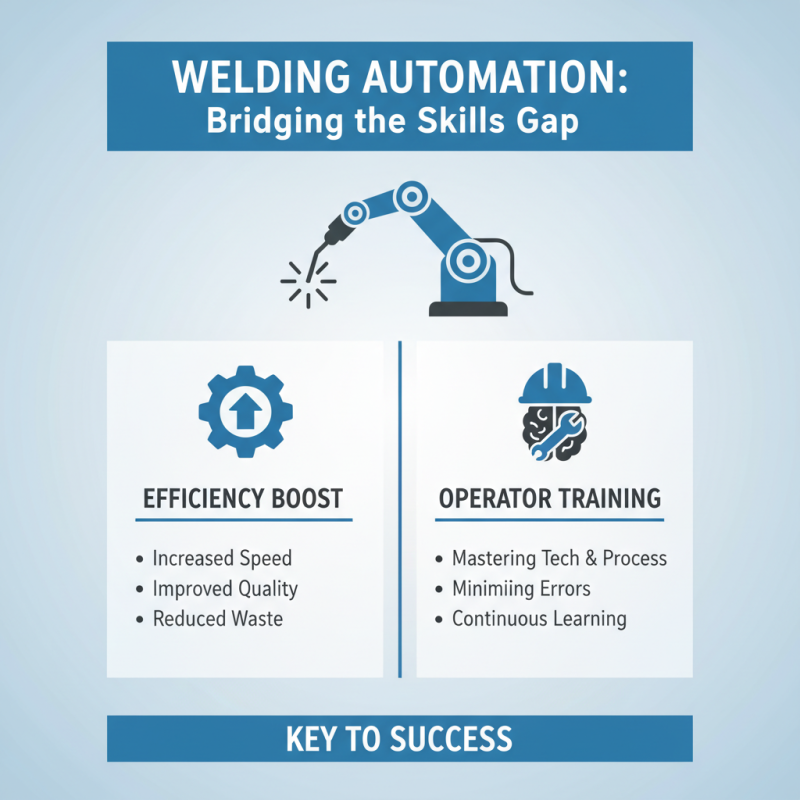
Welding automation can significantly enhance efficiency, but there are key areas to consider for improvement. One critical area is the training of operators. Operators need to understand both the technology and the welding processes. Without proper training, mistakes can occur. This might lead to rework and wasted materials. Regular training sessions can help bridge this gap.
Another area to focus on is equipment maintenance. Many facilities overlook the importance of routine checks. Faulty equipment can hinder production and lead to delays. Scheduled maintenance can prevent breakdowns and enhance productivity. Also, consider the integration of advanced technologies. Automation systems should allow for real-time monitoring of weld quality. This could reduce defects and improve overall output.
Lastly, engaging workers in the process can yield insights. Operators often have valuable feedback on the system’s performance. However, management may not always prioritize their input. Creating channels for feedback can help identify inefficiencies. Continuous reflection on both processes and performance is essential. It might be uncomfortable, but acknowledging shortcomings is a step toward progress.
Integrating Advanced Technologies to Enhance Welding Automation
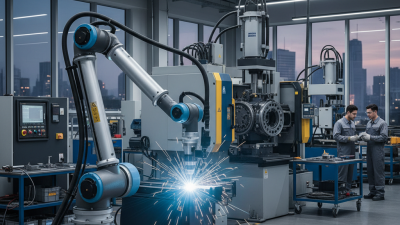
As industries seek to enhance welding automation, integrating advanced technologies proves crucial. One key area is robotics. Robots can perform repetitive tasks with precision. However, integrating them into existing systems can be challenging. It requires careful planning to ensure optimal performance.
Another innovative technology is artificial intelligence (AI). AI can analyze data to predict equipment maintenance. This minimizes downtime and improves overall efficiency. Yet, relying solely on AI can lead to oversights. Human expertise remains vital for troubleshooting and quality control.
Tips for enhancing welding automation efficiency include regularly training staff. Keeping the workforce updated on new technologies ensures adaptability. Also, consider conducting routine assessments of existing processes. Identifying inefficiencies can spotlight areas for improvement. Lastly, always be open to feedback. It’s crucial for ongoing optimization.
2026 Welding Automation Efficiency Improvement
Training and Workforce Development for Maximizing Automation Benefits
Training and workforce development are critical for maximizing the benefits of welding automation. According to a report from the Fabricators & Manufacturers Association, nearly 70% of companies cite skilled labor shortages as a barrier to automation. Preparing the workforce can bridge this gap. Investing in continuous training programs ensures that employees are proficient in new technologies.
Hands-on training experiences can greatly enhance skill levels. When workers understand the nuances of new systems, they increase productivity. A survey from the American Welding Society indicates that companies with training programs see a 30% decrease in training time for new technology. Yet, many still struggle with outdated training protocols that fail to engage workers.
Automation can transform efficiency, but the human element remains vital. Regularly updating training materials is essential. There is a risk of automation being underutilized due to a lack of knowledge. Effective training is more than just transferring skills; it’s about fostering a culture of continuous improvement and adaptability.
Implementing Continuous Improvement Practices in Welding Automation
Continuous improvement practices can significantly enhance welding automation efficiency. According to a recent industry report, implementing such practices can boost productivity by up to 30%. This improvement stems from regularly reviewing processes and making incremental changes, creating a culture of innovation.
One method is to track and analyze welding parameters closely. Identifying trends can reveal inefficiencies. For example, monitoring arc voltage and travel speed can ensure optimal settings. Over time, small adjustments can lead to notable improvements, with data supporting a potential reduction in defects by 25%.
Tip: Regularly conduct team workshops to encourage feedback. Conversations can surface hidden issues and creative solutions.
Moreover, automation technology continues to evolve. Integrating advanced data analytics can optimize workflows. Real-time monitoring tools can highlight problem areas. Yet, reliance on technology may introduce new challenges. Some teams might struggle to adapt, reflecting on the importance of training.
Tip: Offer ongoing training programs. Invest in your workforce to nurture skills. Engaged employees are more likely to embrace change.