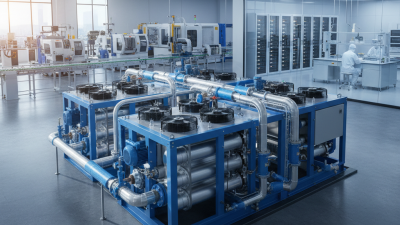
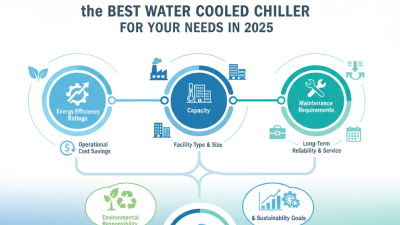
Why You Should Invest in a Water Chiller System for Your Business?
Investing in a water chiller system can significantly boost your business's efficiency. According to John Smith, an expert in HVAC technology, "A reliable cooling system can drive down operational costs." This statement highlights the importance of sustainable practices in today’s competitive landscape.
Water chillers are essential for regulating temperatures in various industries. They provide a consistent cooling solution that can enhance product quality and employee comfort. A malfunctioning system, on the other hand, can lead to downtime and increased expenses. Not every business recognizes the impact of investing in such systems, sometimes delaying important upgrades.
Ignoring this investment may seem cost-effective at first, but the long-term benefits often outweigh the initial expenditure. The right water chiller system not only stabilizes operations but also supports growth. Businesses should reconsider their stance on these systems to prevent potential losses. Ultimately, the choice to invest could propel a company toward greater success.
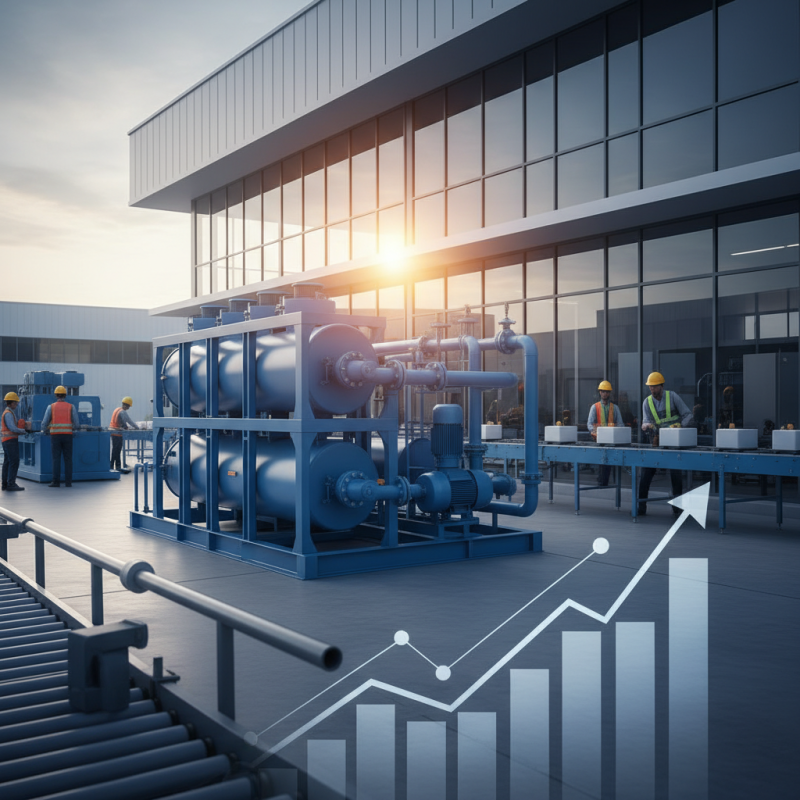
Benefits of Implementing a Water Chiller System in Your Business
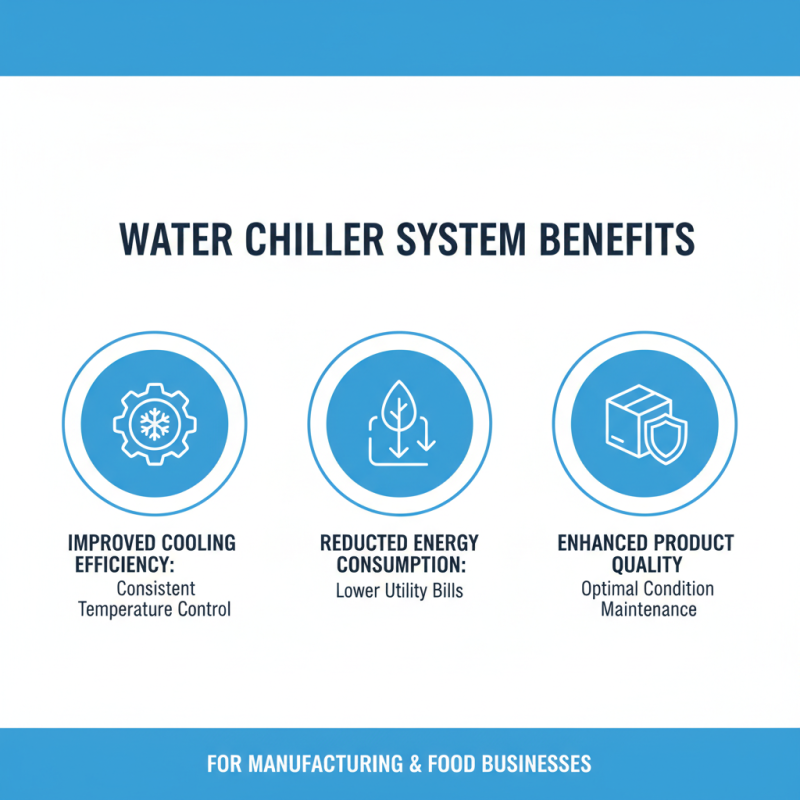
Investing in a water chiller system can bring numerous benefits to your business. One major advantage is improved efficiency in cooling processes. For manufacturers and food businesses, consistent temperature control is crucial. A water chiller helps maintain optimal conditions, safeguarding product quality. You might notice reduced energy consumption as well. Efficient systems consume less power, cutting down on monthly bills.
Tip: Regular maintenance of the water chiller is essential. Check for leaks and clean filters to ensure smooth operation. Neglecting these tasks can lead to decreased efficiency and higher costs.
Another significant benefit is enhanced reliability. Water chillers can handle varying loads, providing stability during peak times. This can be particularly important when unexpected heat waves occur or machinery operates under heavy loads. An unreliable cooling system can disrupt operations and lead to losses.
Tip: Consider installing temperature monitoring systems. These can alert you to issues before they escalate. Timely responses can save money and keep your business running smoothly.
How Water Chillers Improve Energy Efficiency and Reduce Costs
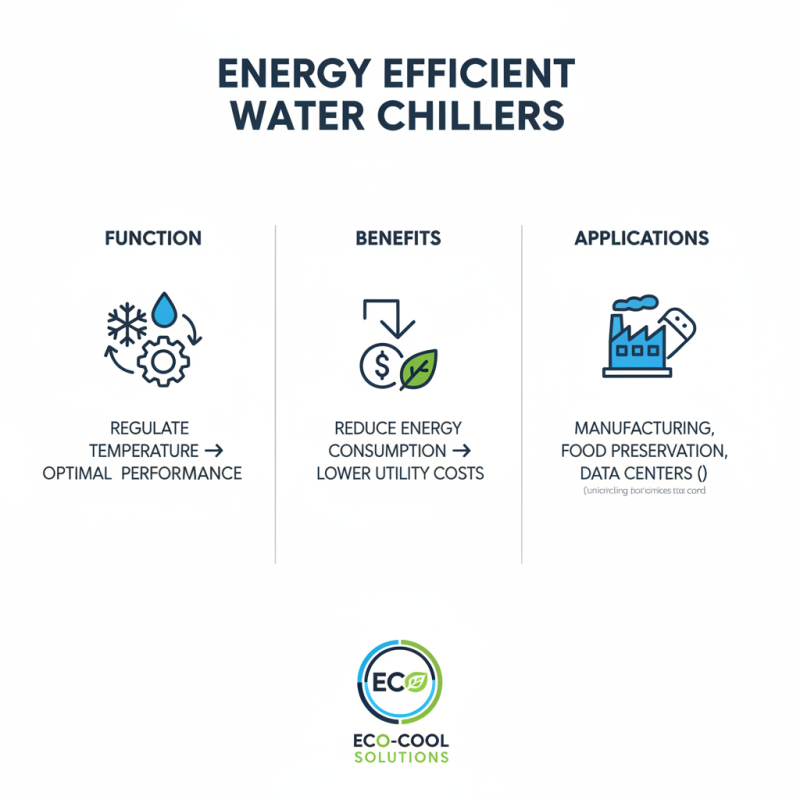
Water chillers are vital for improving energy efficiency in many businesses. They regulate temperature and ensure optimal performance in various applications. By maintaining precise cooling, chillers reduce energy consumption. Businesses can achieve lower energy bills. This is particularly important for industries with high cooling needs, such as manufacturing and food preservation.
Investing in a water chiller can also minimize operational costs. Efficient chillers minimize wear and tear on machinery. This leads to fewer breakdowns and repairs. However, some may overlook maintenance needs. A poorly maintained chiller can become less efficient, negating initial savings. Regular checks are crucial for long-term benefits.
While water chillers present significant savings, adopting them requires careful planning. Some businesses may hesitate due to upfront costs. Yet, the long-term savings can outweigh these initial investments. It's essential to evaluate your business needs and energy usage patterns. Make informed decisions.
Factors to Consider When Choosing a Water Chiller for Your Operations
When selecting a water chiller system for your operations, it's crucial to evaluate your specific needs. Consider the cooling capacity your business requires. Too little capacity can lead to inefficiencies and wasted energy. Conversely, an oversized chiller may incur high initial costs and excessive operational expenses.
One important factor is the energy efficiency rating. High-efficiency models can reduce electricity bills significantly. Check how they perform under various temperatures. Look for systems with modern components that help minimize energy consumption. Remember that initial investments matter. They can determine long-term savings.
Tip: Measure your current cooling load accurately. This will help make informed decisions. Consider future expansions that may affect your cooling needs. Installation and maintenance costs also matter. Choose reliable technicians for installation to avoid mistakes that could lead to downtime or inefficiencies.
Don’t overlook environmental impact. Opt for chillers that use environmentally friendly refrigerants. It’s also worth reflecting on their noise levels. Your facility's environment might not handle excessive noise well. Balance performance and comfort to create a suitable workspace. Careful consideration now can prevent headaches later.
Maintenance Best Practices for Optimal Performance of Water Chillers
Maintaining a water chiller system is crucial for its efficiency. Regularly checking the fluid levels can prevent overheating. Ensure the coolant is at the right concentration. A simple guide for this is using a refractometer.
Additionally, you should inspect filters and coils. Dust can accumulate quickly, reducing the chiller’s performance. This buildup inhibits airflow and efficiency. Clean coils with a soft brush or vacuum. Regular cleaning is vital, yet often overlooked.
Monitoring system pressure is also important. You can look for fluctuations that might signal issues. Keeping an eye on the pressure gauges helps in early detection. Remember, a little attention can go a long way. Repairing small problems early can prevent costly downtime. It’s essential to stay proactive for optimal chiller performance.
Why You Should Invest in a Water Chiller System for Your Business
This chart illustrates the estimated monthly energy savings and maintenance costs associated with using a water chiller system compared to traditional cooling systems over the span of one year.
Case Studies: Successful Water Chiller Implementations in Various Industries
In many industries, the implementation of water chiller systems has proven beneficial. For instance, a food processing company reported a 30% decrease in energy costs after upgrading its chiller system. This investment allowed them to maintain product quality while achieving higher efficiency. Such a system can significantly reduce downtime.
In another case, a pharmaceutical company overhauled its chilling system to meet stringent industry standards. They documented an impressive 20% increase in production capacity. However, the initial investment proved daunting. Their team faced challenges in integrating new technology with existing processes.
A recent study highlighted that industrial sectors using efficient cooling solutions could see a return on investment in as little as two years. Water chillers can also enhance sustainability by cutting water usage by 40%. Yet, businesses sometimes struggle with balancing upfront costs against long-term savings. Careful planning and analysis are essential.
Why You Should Invest in a Water Chiller System for Your Business? - Case Studies: Successful Water Chiller Implementations in Various Industries
| Industry |
Implementation Year |
Energy Savings (%) |
Cost Reduction (%) |
Cooling Capacity (kW) |
Additional Benefits |
| Food Processing |
2020 |
25% |
15% |
150 |
Improved product quality, enhanced shelf life |
| Pharmaceuticals |
2019 |
30% |
20% |
200 |
Regulatory compliance, reduced waste |
| HVAC |
2021 |
35% |
25% |
75 |
Reduced noise levels, improved comfort |
| Manufacturing |
2018 |
20% |
10% |
300 |
Enhanced equipment lifespan, better efficiency |