What is a Seam Welder and How Does It Work?
In the world of manufacturing, a seam welder plays a vital role. This specialized equipment fuses materials together with precision and strength. John Smith, an industry expert, notes, "Seam welders are crucial for ensuring structural integrity in complex assemblies." His insights highlight the importance of seam welders across various sectors.
These machines utilize heat and pressure to create strong, permanent bonds in metals and plastics. Understanding how a seam welder functions can enhance production efficiency. For many manufacturers, this technology is essential. However, there are challenges. Not every design can be welded effectively.
Many users may struggle to achieve optimal results. Issues with machine calibration or material selection can arise. It's crucial to continuously refine techniques and address potential pitfalls. As we explore the workings of seam welders, we uncover both their capabilities and their limitations.
What is a Seam Welder?
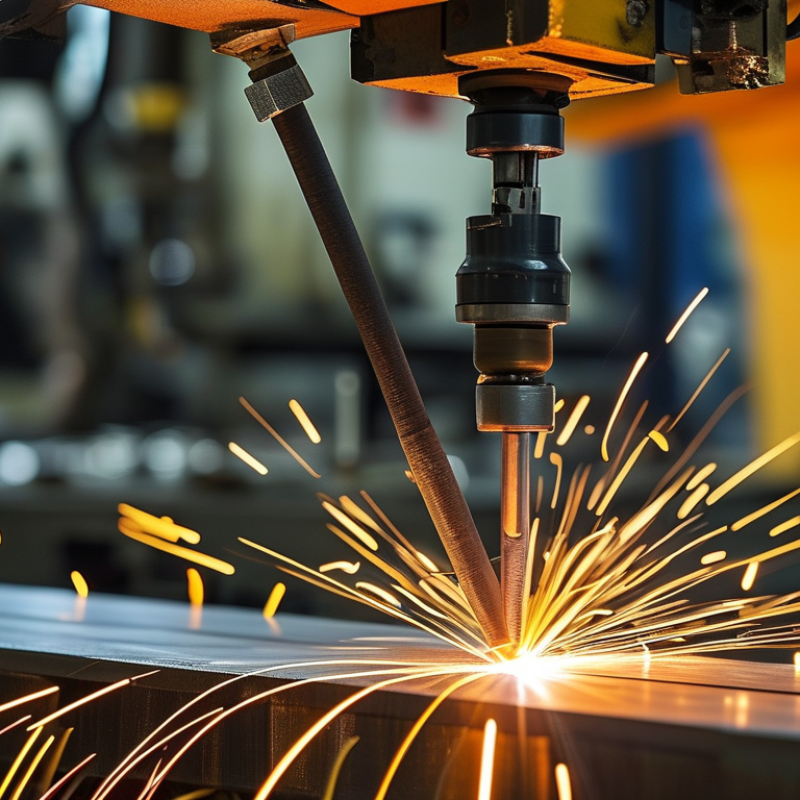
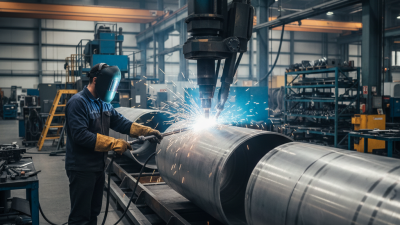
A seam welder is a specialized machine used in metalworking. It joins two pieces of metal by creating a high-temperature bond. Applying pressure and electricity, the machine melts the edges of the metals. This process forms a strong, durable seam that is resistant to stress and wear.
Seam welders come in various types. Some use resistance welding techniques, while others employ arc welding. The choice depends on the materials being joined. Steel and aluminum are commonly welded with these machines. Different applications include automotive parts, HVAC components, and industrial tanks. Precision is key, and the machine settings must be adjusted according to the material thickness.
Despite their effectiveness, seam welders have limitations. Issues like warping can arise due to excessive heat. Operator skill is vital for quality results. Regular maintenance is essential to ensure reliability. Understanding these aspects helps in optimizing the seam welding process.
Seam Welder Performance Analysis
This bar chart illustrates the efficiency of different types of seam welders based on their production rates measured in units per hour. The data provides insights into the performance of manual versus automated seam welding processes.
Components of a Seam Welder
A seam welder is an essential tool in manufacturing. It relies on several key components to function effectively. The machine primarily consists of an electric power supply, welding electrodes, and a control system. Each part serves a specific purpose in the welding process.
The power supply provides the necessary voltage and current for welding. It ensures a stable energy flow during the operation. Welding electrodes create the contact points that fuse materials together. The design and materials of these electrodes can significantly affect the weld quality. A control system manages the parameters such as timing and temperature, adjusting them based on material types and thickness.
Despite their efficiency, seam welders can face challenges. Improper settings can lead to weak or inconsistent welds. Operators must regularly maintain and calibrate the equipment to avoid such issues. This attention to detail is crucial in achieving reliable outcomes. Understanding the role of each component aids operators in troubleshooting and improving their processes.
Principles of Seam Welding Operation
Seam welding is a crucial technique in various manufacturing sectors, particularly in automotive and metal fabrication industries. It operates on the principle of applying electric current to two overlapping metal sheets while exerting pressure. The heat generated from the resistance creates a strong bond. This method is efficient for producing long, continuous welds.
One significant benefit of seam welding is its speed. Studies indicate that seam welding can increase production rates by up to 50% compared to conventional methods. However, inconsistency in heat application can lead to weak spots. Ensuring proper alignment of materials is essential.
Tips: Regular maintenance of the seam welder is vital for optimal performance. Monitor the pressure and current settings closely to enhance weld consistency. Another tip is to test weld samples periodically to detect and rectify potential issues early. Working with varied thicknesses can also reveal insights on setting adjustments. Understanding the properties of the materials used plays a crucial role in achieving successful seams.
Applications of Seam Welding in Industries
Seam welding is a vital process in various industries. This technique uses heat and pressure to join materials, typically metal sheets. Its applications span several sectors, showcasing its versatility and efficiency.
In the automotive industry, seam welding ensures the structural integrity of vehicles. It is commonly used in manufacturing car bodies. The technique allows for strong, consistent welds that can tolerate vibrations and impacts. Likewise, in the appliance industry, seam welding is crucial for assembling items like refrigerators and washing machines. The resulting joints are sleek and durable, enhancing product lifespan.
In construction, seam welding finds its place in manufacturing steel structures. It provides reliable connections, critical for safety. Yet, the process is not without challenges. Ensuring a uniform heat application can be tricky, sometimes leading to weak spots. Continuous improvement and monitoring are essential for optimal results. Each industry benefits from seam welding, but constant attention to detail is required to avoid potential pitfalls.
Advantages and Limitations of Seam Welders
Seam welders are essential in various industries, providing strong bonds between metal sheets. They use an electric current to heat the edges of two pieces of material, creating a continuous weld. This process is efficient but has both advantages and limitations.
One major advantage of seam welding is its speed. This method allows for high production rates in manufacturing settings. The consistency of the welds also helps reduce the chance of defects. Moreover, seam welders often require less post-weld finishing. However, these benefits do not come without challenges. The precision required in alignment can sometimes lead to misalignments, affecting overall weld quality.
Another limitation is the thickness of materials that can be welded. Seam welders may not be suitable for thicker metals. This necessitates an assessment of the specific materials involved in any project. Depending on the application, alternatives may be more effective. Additionally, if the machine settings are not calibrated correctly, the results can vary significantly. Correct training and experience are often needed to achieve consistent outcomes.
What is a Seam Welder and How Does It Work? - Advantages and Limitations of Seam Welders
| Dimension |
Details |
| Types of Seam Welders |
Spot, Continuous, and Seam Welding |
| Applications |
Automotive, Aerospace, and HVAC Systems |
| Advantages |
High speed, Efficient for mass production, Strong joints |
| Limitations |
Requires skilled operators, Limited to specific materials |
| Common Materials Used |
Steel, Aluminum, Stainless Steel |
| Welding Process |
Electric resistance heating to create a weld |
| Operational Safety |
Protective gear and proper training required |