Top 10 Benefits of Using a Commercial Water Chiller?

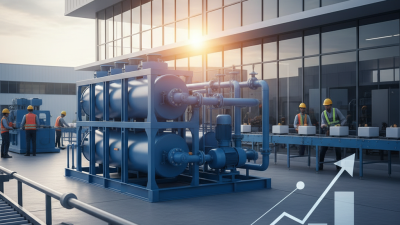
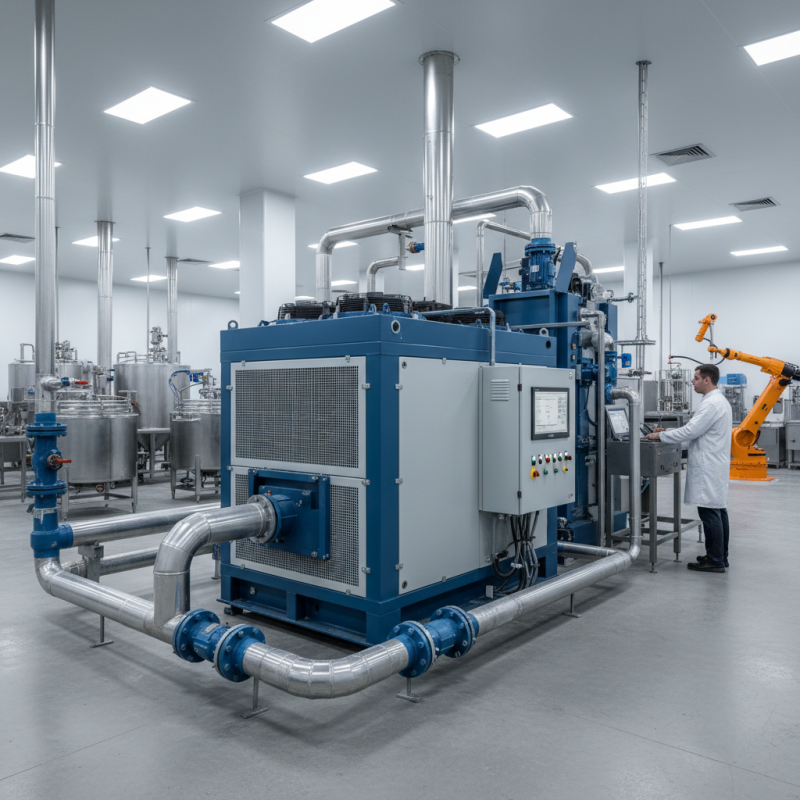
In today's competitive landscape, using a commercial water chiller has substantial advantages. These systems help maintain optimal temperatures in various settings. They are vital in industries such as food processing, pharmaceuticals, and manufacturing. A commercial water chiller ensures products remain at the right temperature, reducing spoilage and waste.

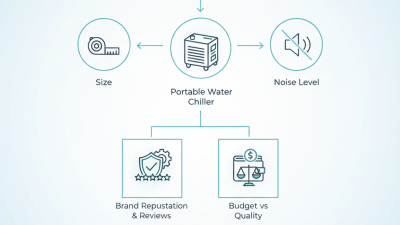
Moreover, energy efficiency is a key benefit. Commercial water chillers often use advanced technology. This not only lowers energy consumption but also reduces operational costs. Many businesses report significant savings after upgrading their systems. However, selecting the right chiller can be challenging. Factors like size, capacity, and specific cooling needs must be carefully evaluated.

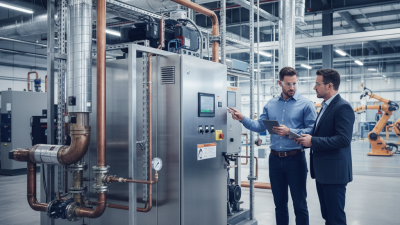
It's important to reflect on maintenance too. A well-maintained commercial water chiller operates efficiently. Neglecting routine checks can lead to issues. These problems may cause downtime and increased expenses. Therefore, proper care is essential for maximizing the benefits of your system.
Top 10 Benefits of Using a Commercial Water Chiller?

Benefits of Enhanced Cooling Efficiency in Commercial Settings

Enhanced cooling efficiency is vital in today’s commercial environments. Businesses require systems that not only maintain optimal temperatures but also ensure energy savings. According to a report by the American Society of Heating, Refrigerating and Air-Conditioning Engineers (ASHRAE), inefficient cooling can lead to a 30% increase in energy costs.

Installing a commercial water chiller allows for precise temperature control. This reduces the workload on other equipment. Data from the U.S. Department of Energy shows that businesses utilizing advanced cooling solutions can achieve energy savings of up to 40%. This figure is compelling for any organization focused on sustainability and cost-effectiveness.

However, businesses must also consider potential drawbacks. Not all water chillers are easy to maintain. Some may require specialized knowledge for repairs and service. This can lead to increased downtime and unexpected costs. A thorough evaluation of system compatibility is essential to avoid complications later on. Enhanced cooling might come with hidden challenges that demand ongoing attention and resources.
Top 10 Benefits of Using a Commercial Water Chiller

Cost Savings Through Reduced Energy Consumption

Choosing a commercial water chiller can lead to significant cost savings. A primary way this happens is through reduced energy consumption. These systems are designed to operate efficiently. They can lower electricity bills, especially in high-demand environments. Over time, these savings can add up, benefiting your bottom line.

Tips to maximize savings:

  • Monitor your usage patterns.
  • Regular maintenance can enhance efficiency.
  • Check for leaks or insulation issues.
These simple practices can extend the lifespan of your chiller and improve performance.

Consider the cooling load. If your facility uses less energy, invest in an appropriately sized chiller. Under or oversized units can waste energy. This will affect your expenses negatively. Reflect on your energy choices regularly. Small adjustments can lead to improvements. Cost-effective operations are always worth pursuing.

Improvement in Product Quality and Longevity

In various industries, product quality is paramount. The use of commercial water chillers can significantly enhance product longevity. For instance, a study by the American Society of Heating, Refrigerating and Air-Conditioning Engineers shows that maintaining optimal product temperatures can extend shelf life by up to 30%. This is crucial in sectors like food processing and pharmaceuticals.

Temperature fluctuations can lead to spoilage or degradation. A water chiller stabilizes temperatures, ensuring that products remain fresh longer. In a bakery, for example, cooling dough quickly not only improves texture but also enhances flavor. A report from the Food and Drug Administration indicates that maintaining consistent temperatures can prevent microbial growth. Therefore, companies can save costs from losses due to spoilage.

Moreover, manufacturers often overlook the maintenance of cooling equipment. A neglected water chiller can become inefficient over time, affecting product quality. Regular checks and updates can prevent this issue. Investing in reliable cooling solutions prevents compromised quality and ensures products meet consumer expectations consistently.

Positive Environmental Impact with Eco-Friendly Options

Top 10 Benefits of Using a Commercial Water Chiller?

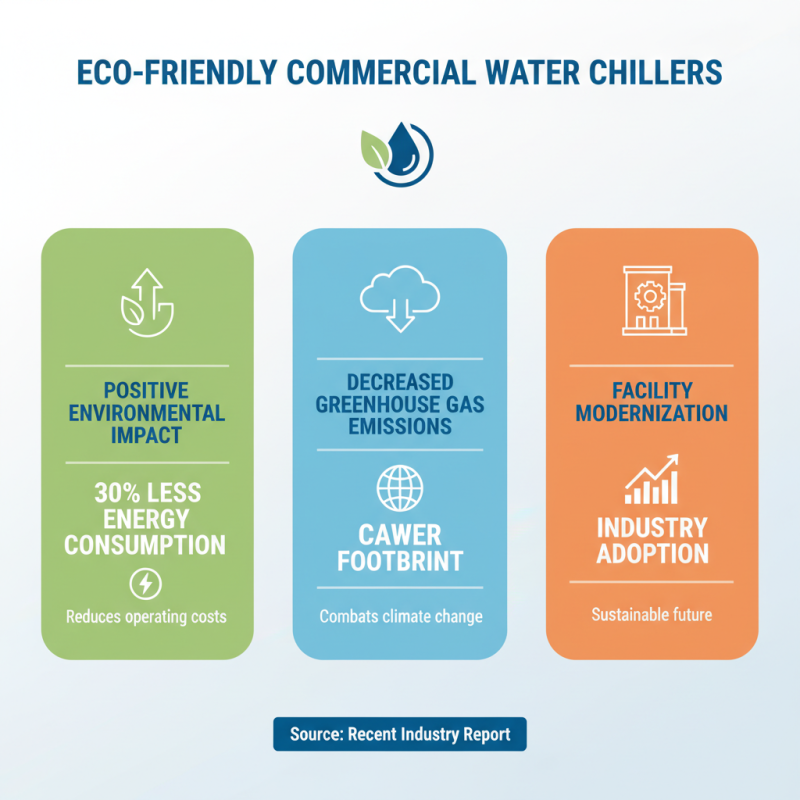
The use of commercial water chillers offers a positive environmental impact through eco-friendly options. A recent industry report highlighted that eco-friendly chillers can reduce energy consumption by up to 30%. This significant reduction directly decreases greenhouse gas emissions. As facility managers adopt these technologies, their overall carbon footprint diminishes.

Innovative features like variable speed drives enhance efficiency. This technology allows chillers to adjust their output based on cooling needs. It is a critical step toward sustainability. Manufacturers are increasingly focusing on refrigerants with low global warming potential. Such choices help combat climate change and promote cleaner air quality.

Despite these advances, challenges remain. Not all water chillers are created equal regarding efficiency. Facility owners must conduct thorough research before investing. The installation process can also be daunting. Missteps can lead to unnecessary energy waste. Sustainable practices demand diligence and a commitment to ongoing education.

Increased Operational Reliability and Minimal Downtime

Top 10 Benefits of Using a Commercial Water Chiller?

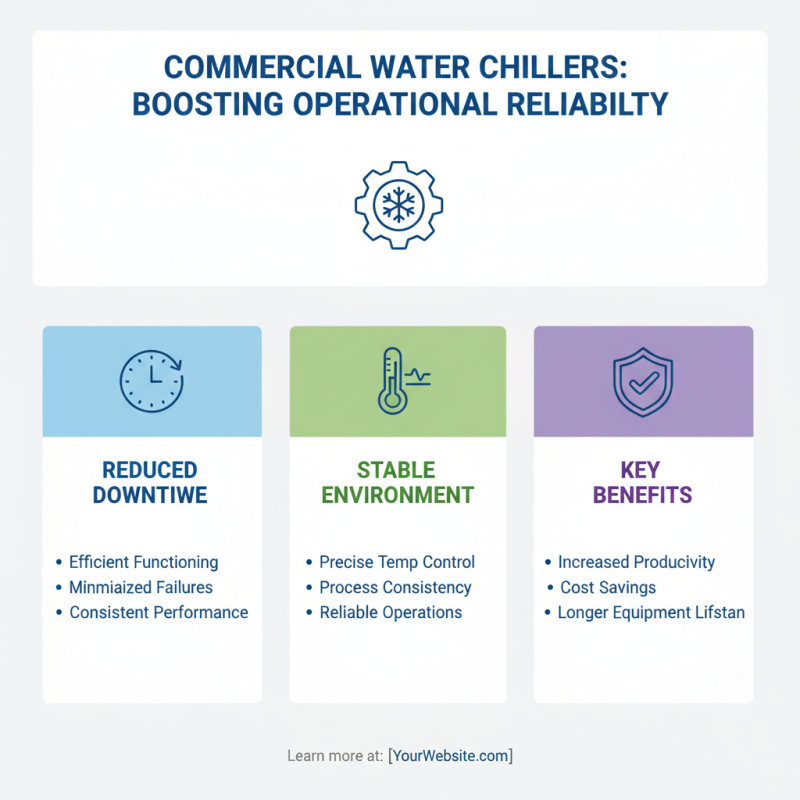
Using a commercial water chiller can greatly impact operational reliability. One of the most crucial benefits is reduced downtime. When chillers function efficiently, they minimize the risk of failures. This consistent performance helps maintain a stable environment for processes that need precise temperature control.

Temperature fluctuations can lead to production delays, which are costly. A reliable chiller can prevent these interruptions. Some facilities have reported a significant decrease in maintenance issues by switching to advanced chillers. They also require less frequent repairs compared to older models.

Yet, relying on technology isn't without challenges. Occasionally, unforeseen issues can arise. Regular maintenance is necessary to ensure optimal function. Ignoring small warning signs may lead to bigger problems later. Investing in a quality chiller is essential, but so is commitment to ongoing upkeep.