Top Chiller System Options for 2026 What Buyers Should Know
As industries strive for efficiency and sustainability, the chiller system market is evolving rapidly. With multiple options available, buyers face challenges in selecting the right system. Each choice affects energy consumption, operating costs, and overall performance. It's essential to understand these factors before making a decision.
Chiller systems come in various types, including air-cooled and water-cooled models. Each type has unique advantages and limitations. Factors such as climate, size of operation, and specific cooling needs influence the best choice. Buyers must consider these elements carefully to avoid costly mistakes.
Moreover, advancements in technology shift the landscape. Newer models offer improved energy efficiency and smarter controls. However, some systems may not suit every application. A buyer's due diligence is critical to ensure a reliable investment. Understanding these nuances can lead to informed decisions.
Top Chiller System Technologies Projected for 2026
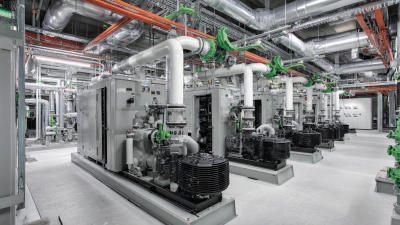
As we approach 2026, the chiller system landscape is rapidly evolving. Technologies like magnetic bearing chillers are gaining traction. These systems reduce energy consumption and maintenance costs significantly. Magnetic bearings eliminate the need for traditional lubricants, making them more environmentally friendly. Their operational efficiency is a significant selling point for businesses focused on sustainability.
Another noteworthy technology is the integration of smart controls. These advanced systems use AI to optimize performance. They can adjust operations automatically based on real-time data. This adaptability can lead to considerable energy savings. However, some companies may face challenges in integrating these systems. Training staff and updating existing infrastructure might require additional resources.
Also, consider the shift towards modular chillers. These systems are easier to install and expand as a business grows. They offer flexibility that traditional systems often lack. However, buyers should evaluate whether their current setup can accommodate such changes. Reflecting on the long-term benefits versus initial costs is crucial. This thoughtfulness can lead to better decision-making in the coming years.
Energy Efficiency Trends in Chiller Systems: Key Metrics and Standards
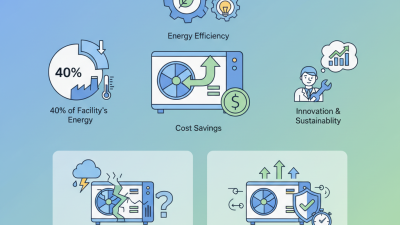
In recent years, energy efficiency has become crucial for chiller systems. According to the American Society of Heating, Refrigerating and Air-Conditioning Engineers (ASHRAE), energy-efficient chillers can save up to 30% on operational costs. These systems are designed to meet stringent Environmental Protection Agency (EPA) standards. The push for reduced energy consumption is driving innovation in chiller technology.
New standards such as the Minimum Efficiency Standards (MEPS) are setting benchmarks for energy performance. Chillers now often come with variable speed drives. This feature allows for adjustments based on real-time demand, improving overall efficiency. A study from the U.S. Department of Energy indicates that these improvements can lead to reductions in greenhouse gas emissions by nearly 25%.
Despite these advancements, challenges exist. Some buyers still overlook proper maintenance practices, impacting overall efficiency. Regular inspections and tune-ups are essential for optimal performance. Additionally, the integration of smart technology, while promising, can be hard to implement effectively. Understanding these aspects is vital for making informed purchasing decisions. As the industry evolves, staying informed is essential for maximizing energy savings while reducing the environmental footprint.
Comparative Analysis of Chiller Types: Air-Cooled vs. Water-Cooled
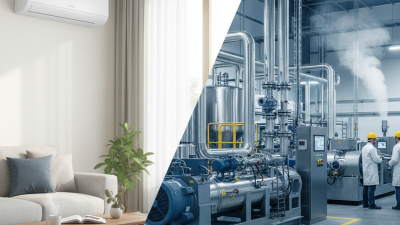
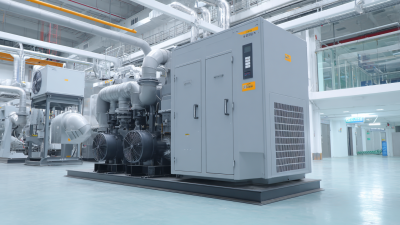
When comparing chiller types, two main options stand out: air-cooled and water-cooled systems. Air-cooled chillers use ambient air to dissipate heat. They are generally easier to install and maintain. Their compact nature allows for flexibility in placement. Water-cooled chillers, on the other hand, utilize water for heat removal. They tend to be more efficient, especially for larger facilities. However, they require more infrastructure and regular maintenance.
Consider your specific needs when choosing between these systems. Evaluate your facility’s size, available space, and water access. Budget constraints can also play a significant role in your decision. While air-cooled units may have a lower upfront cost, water-cooled options can offer better efficiency in the long run.
It’s essential to perform a thorough analysis of both types. Think about potential environmental impacts. Water-cooled systems may consume more water, prompting sustainability concerns. Additionally, air-cooled systems can be noisy, which might not be ideal for some locations.
Reflecting on maintenance is crucial. Air-cooled chillers might need regular filter changes, while water-cooled systems require chemistry balancing and scale prevention. Thorough research and expert consultations can provide valuable insights in making the best choice for your facility.
Market Demand and Growth Drivers for Chiller Systems in 2026
The demand for chiller systems is expected to surge in 2026, driven by various factors. Increased industrial activity and the rising need for effective cooling solutions in sectors like HVAC are significant contributors. According to market research, the chiller system industry is projected to grow at a compound annual growth rate (CAGR) of over 6% from 2022 to 2026.
Environmental regulations are also shaping market dynamics. Businesses face pressure to adopt energy-efficient chillers. Reports indicate that systems with lower carbon footprints will be favored. The focus on sustainability is influencing purchasing decisions. Companies that invest in green technology could see long-term cost savings.
Technological advancements will play a crucial role. Innovations in smart chiller systems promise improved efficiency and monitoring capabilities. However, the initial investment may deter some buyers. Users may also struggle to keep up with the rapid pace of changes in technology. Balancing operational needs with budget constraints will require careful consideration as buyers approach the evolving market.
Cost Considerations and ROI for Choosing Chiller Systems in 2026
In 2026, choosing a chiller system requires careful cost considerations. Buyers must assess initial expenditures against long-term savings. Operating costs significantly impact the return on investment over the system's lifespan. Understanding energy efficiency ratings helps in predicting operational expenses. Some systems may have higher upfront costs but deliver better performance and efficiency.
Additionally, maintenance costs should not be overlooked. Reliable maintenance can extend the lifespan of the chiller. Neglecting regular service can lead to increased costs down the line. Buyers should examine warranty options and service agreements. These factors influence the overall ROI significantly.
Investing in a chiller system requires strategic thinking. What seems like an economical choice at first could prove costly later. Each buyer’s needs differ based on the facility's size and usage. An informed decision takes time and research. Evaluating multiple options is essential.
Top Chiller System Options for 2026 - Cost Considerations and ROI for Choosing Chiller Systems
| Chiller Type |
Initial Cost ($) |
Annual Operating Cost ($) |
Energy Efficiency (EER) |
Estimated Lifespan (Years) |
ROI Period (Years) |
| Air-Cooled Chiller |
$50,000 |
$8,000 |
3.2 |
15 |
5 |
| Water-Cooled Chiller |
$75,000 |
$6,000 |
4.5 |
20 |
4 |
| Absorption Chiller |
$100,000 |
$7,500 |
1.8 |
25 |
6 |
| Magnetic Bearing Chiller |
$125,000 |
$5,500 |
6.0 |
30 |
3 |