Top Spot Welder Types for Your Welding Projects?
When starting a welding project, choosing the right spot welder is essential. Spot welders come in various types, each suitable for different applications. Some are designed for heavy-duty work, while others are more versatile, suitable for light tasks.
Understanding these differences can help you make an informed decision. A reliable spot welder simplifies your work, increasing efficiency. However, not all welders are created equal. You may face challenges in selecting the one that fits your needs perfectly.
Take time to explore the different types. Researching various options can reveal unexpected insights. A well-chosen spot welder can greatly enhance your productivity. Yet, it's easy to overlook specifics. Reflecting on your requirements may lead to a more suitable choice.
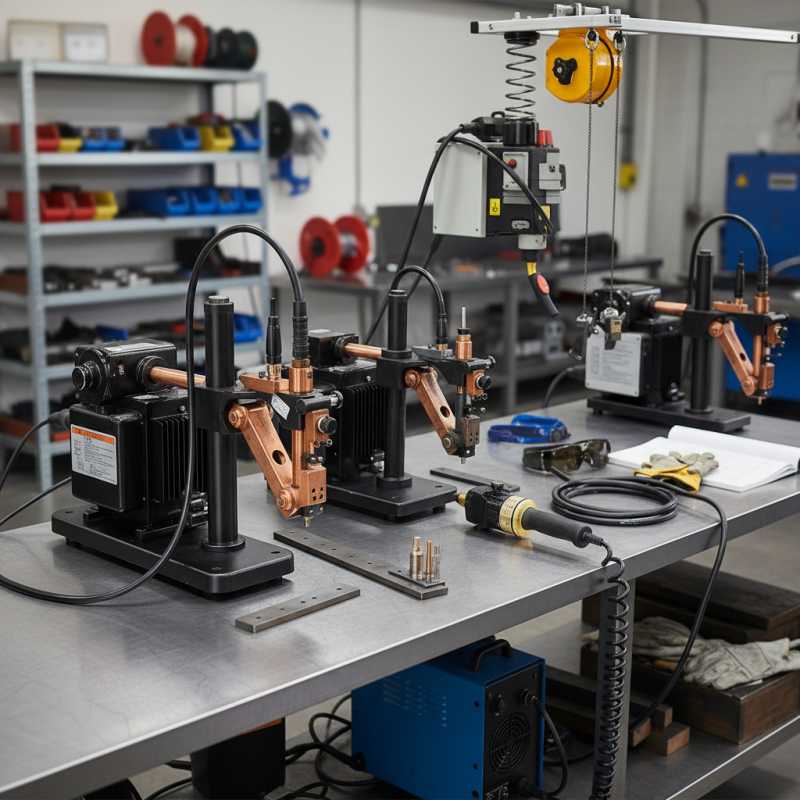
Types of Spot Welders: Understanding Resistance, Laser, and TIG Options
When choosing a spot welder, it's important to understand the various types available.
Resistance spot welders are the most common. They use heat generated by resistance to join materials.
This method is effective for thin sheets of metal and provides a strong bond. However, precision is key.
Improper settings can lead to weak welds or excessive heat, damaging the materials.
Laser spot welders offer a modern alternative. They concentrate a laser beam to weld materials together. This method is precise and minimizes heat-affected zones.
It's ideal for thicker materials and dissimilar metals. Yet, the equipment can be expensive and challenging for beginners.
Training is essential to avoid mistakes.
TIG welders, or tungsten inert gas welders, are versatile but require more skill. They provide high control over the weld pool.
This option works well with various materials, including aluminum. However, it can be slow. Inexperienced users may struggle with consistency.
Each welder type has its pros and cons, and careful consideration is crucial.
Key Applications of Spot Welding in Automotive and Manufacturing Industries
Spot welding plays a crucial role in both the automotive and manufacturing industries. Its efficiency in joining metal components makes it a favorite among manufacturers. This technique is widely used to create durable connections, especially in car production. Automakers rely on spot welding for assembling body panels, frames, and other parts. This provides strength and stability to vehicles.
In manufacturing, spot welding is common for creating appliances and machinery. It allows for quick assembly and reduces overall production time. However, achieving perfect welds can be challenging. Inexperienced welders might struggle with settings and techniques. This could lead to inconsistent quality.
Tips: Ensure you maintain a steady hand during the welding process. Proper alignment of parts is vital to avoid misalignment. Practicing on scrap metal can help improve your skills. Remember, every weld is a learning opportunity. Mistakes offer valuable insights into improving your technique. Keep experimenting with different settings to find the best results for your projects.
Comparative Analysis of Spot Welder Capabilities: Efficiency and Cost-Effectiveness
When choosing a spot welder, efficiency and cost-effectiveness are key. Different types of spot welders offer varying capabilities. Some are designed for heavy industrial use, while others cater to light projects. The power source is crucial; a higher wattage can mean faster welding but may also increase energy costs.
A transformer welder often provides reliable performance. However, it may not be the most economical option for small projects. Many users find that inverter welders are lightweight and portable. They consume less energy, making them economical for casual use. Still, their initial cost can be higher.
Consider the type of materials you work with. Thicker metals require more power, and not all welders can handle them. Customer feedback often reflects these experiences. Some welders may struggle with consistency, leading to rework. Efficiency isn't just about speed; it's also about the quality of the weld. Evaluating your projects can help in making the right choice.
Safety Standards and Best Practices for Operating Spot Welding Equipment
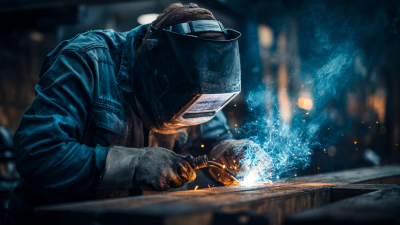
Operating spot welding equipment demands strict adherence to safety standards. According to the American Welding Society, workplace injuries in welding can be reduced by following appropriate guidelines. This includes wearing personal protective equipment (PPE) like gloves and welding masks. Many accidents result from inadequate safety measures. Proper training is not always provided, leading to a risky environment.
Moreover, the dangers of electric shock are significant. Reports show that improper grounding of equipment is a leading cause. Workers must regularly check that their equipment is correctly grounded. This basic step is often overlooked, putting them at risk. Clear communication among team members is also crucial. Many accidents stem from a simple lack of awareness. Workers should know when to pause and assess the surrounding area.
In addition to these safety measures, maintaining the equipment itself is vital. Regular inspections help identify wear and tear. However, some teams neglect this routine. Spot welding machines can malfunction due to damaged cables or worn-out tips. Ignoring these signs can lead to severe accidents. It’s important to cultivate a culture of safety and responsibility. This approach not only protects employees but also enhances efficiency on the job.
Emerging Technologies in Spot Welding: Innovations and Future Trends
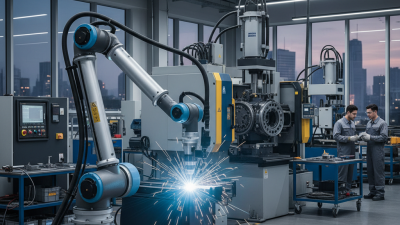
Emerging technologies in spot welding are transforming the industry. New innovations are making the process faster and more efficient, but not without challenges. Robotics are now playing a key role in this evolution. Automated systems can perform spot welding with precision and speed, reducing human error. However, the integration of these systems often requires retraining teams, which can be a hurdle.
Another exciting development is the use of advanced monitoring systems. These systems provide real-time feedback on weld quality. They help identify issues as they arise, but can also introduce complexity. Skilled operators must interpret this data correctly. Otherwise, valuable insights can be missed. Moreover, the growing use of artificial intelligence in welding processes has sparked debate. While AI can enhance efficiency, it may also lead to a detachment from fundamental welding skills.
Overall, these trends are promising yet imperfect. There is still a need for human touch in certain applications. Balancing technology with traditional methods remains crucial. As the industry progresses, careful consideration of these elements will shape future practices. Embracing innovation is essential, but understanding its limitations is just as important.
Top Spot Welder Types for Your Welding Projects