What Are the Top Types of Chillers?

Chillers remove heat from water or another fluid, then circulate that cooled fluid through equipment or occupied spaces. You may find them in hospitals, hotels, factories, and office towers. Their role is easy to overlook until a production line overheats or a building’s cooling demand rises on a hot afternoon. Then the details matter.

This guide introduces the main chiller types, including air-cooled, water-cooled, and absorption systems. It also explains common compressor designs, such as centrifugal, screw, and scroll, since these describe another part of how chillers operate. The categories can overlap, which is a detail that product comparisons sometimes blur. A water-cooled chiller, for example, may use a centrifugal compressor.

There is no universal best choice. Air-cooled units can simplify installation where cooling towers are impractical, while water-cooled systems may suit large, steady loads when water and maintenance resources are available. Absorption chillers use heat as their energy input, making them relevant in specific plant setups. Real performance depends on load, climate, operating hours, space, and service capacity—not just a headline efficiency figure. Small print matters.

The sections ahead outline how each type works, where it commonly fits, and what trade-offs to examine. They offer a practical starting point, not a substitute for project-specific engineering. A careful selection begins with measured demand and site conditions. Even good data can miss a changing load. That deserves a second look.
What Are the Top Types of Chillers?

What a Chiller Does in a Cooling System

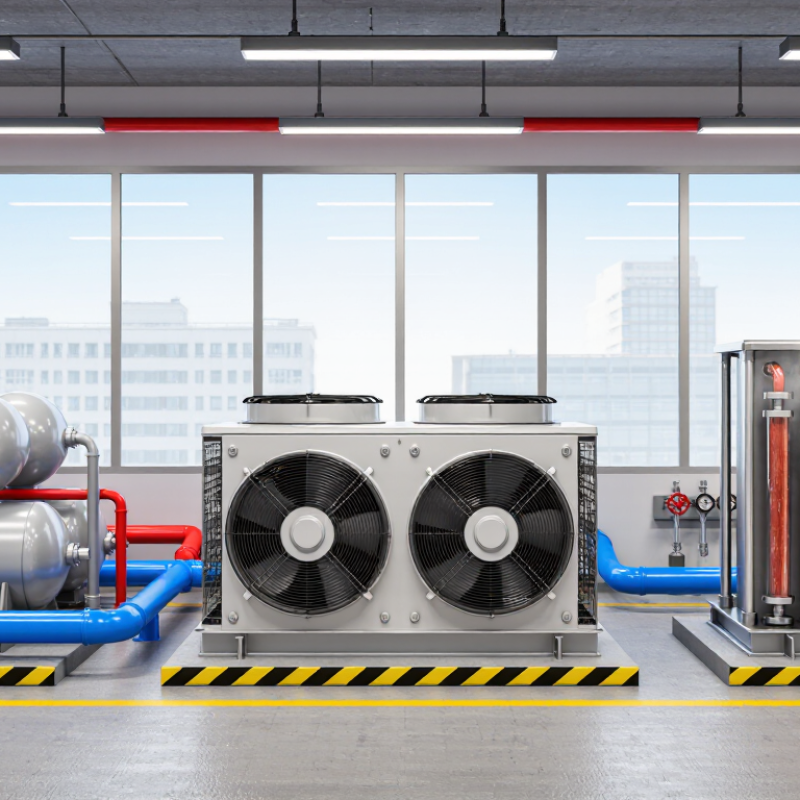
A chiller removes heat from water so a building’s cooling system can carry that heat away. In the evaporator, warmer return water transfers heat to a refrigerant. The cooled water then travels through pipes to air-handling units or process equipment. There, coils absorb heat from room air or machinery. The water returns warmer, and the cycle repeats. It is a steady loop, not cold air produced on demand.

The chiller must also release the heat it collects. A condenser transfers heat outdoors, either directly to air or through water sent to a cooling tower. Air-cooled chillers use fans; water-cooled systems rely on condenser-water circulation and a tower. Pumps, sensors, and controls help match cooling output to demand. On a mild day, the system may need less capacity. Poor flow or dirty heat-transfer surfaces can reduce performance, even when the chiller itself is operating.

Tips: Check water temperatures, flow, and filters during routine maintenance. Keep condenser areas clear. Small details matter. Actual efficiency depends on load, climate, and system setup, so one equipment type is not best for every building. I’ve seen operating conditions overlooked in simple comparisons.

How Chillers Are Classified by Heat-Rejection Method

What Are the Top Types of Chillers?

How Chillers Are Classified by Heat-Rejection Method

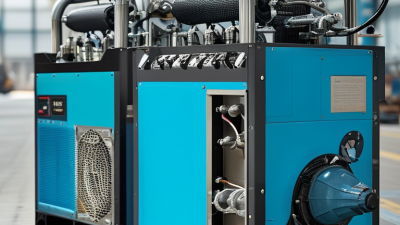
Chillers are often grouped by how they release heat from the refrigeration system. Air-cooled chillers use fans to move outdoor air across condenser coils. They are usually simpler to install because they do not need a cooling tower or condenser-water piping. However, performance can drop on very hot days, when warm air makes heat removal harder. Expect fan noise near the unit.

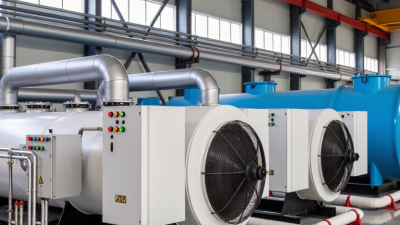
Water-cooled chillers transfer heat into a separate condenser-water loop. That water typically carries heat to a cooling tower, where some evaporates and releases heat outdoors. These systems can suit large buildings with steady cooling loads, but need water treatment, tower maintenance, and space for supporting equipment. They are not automatically more efficient; climate, load, and upkeep all matter. That detail is easy to overlook. Some systems also use adiabatic assistance, briefly wetting air before it reaches the condenser to improve heat rejection in hot, dry conditions.

Tips: Check summer design temperatures, water availability, and maintenance capacity before choosing. Keep the chiller’s heat-rejection equipment clear of walls and debris. A compact installation can look convenient, but restricted airflow may undermine performance.

What Are the Main Types of Chillers?

Chillers are commonly grouped by how they remove heat: air-cooled, water-cooled, and absorption. Air-cooled models release heat directly into outdoor air through condenser fans. They are often easier to install because they do not need a cooling tower. However, performance can drop during very hot weather, and fan noise may matter near occupied spaces.

Water-cooled chillers transfer heat to water, which usually carries it to a cooling tower. They can suit large buildings and steady cooling loads, but require more equipment, water management, and maintenance. Absorption chillers use heat, rather than a conventional electric compressor, to drive the cooling cycle. They may fit sites with usable waste heat or steam, though their efficiency depends on operating conditions. There is no universal winner. Even a well-matched system can disappoint if its controls or maintenance are neglected.

Tips: Compare the building’s peak and typical cooling loads, local climate, water access, and service needs. Ask an engineer to check seasonal performance, not just rated capacity. A small sizing error is easy to overlook. It can still increase energy use.

What Are the Top Types of Chillers? — What Are the Main Types of Chillers?

Type How It Works Typical Advantages Key Considerations Common Applications
Air-Cooled Chiller A vapor-compression chiller uses fans and an air-cooled condenser to release heat directly to outdoor air. Does not require a cooling tower or condenser-water system; installation is often simpler. Performance can be affected by high outdoor temperatures. Fans may produce noticeable sound, and the unit needs adequate outdoor airflow. Commercial buildings, smaller industrial facilities, and sites where cooling-tower water or space is limited.
Water-Cooled Chiller A vapor-compression chiller transfers heat to condenser water, which is commonly cooled by a cooling tower. Can be efficient in suitable conditions and is commonly used for larger, steady cooling loads. Requires a condenser-water system, cooling-tower space, water treatment, and regular maintenance. Large buildings, campuses, hospitals, and industrial plants with central chilled-water systems.
Absorption Chiller Uses heat to drive a refrigeration cycle involving a refrigerant and an absorbent, rather than relying mainly on a mechanical compressor. Common working pairs include water–lithium bromide and ammonia–water. Can make use of steam, hot water, waste heat, or another suitable thermal energy source; electrical compressor demand is low. Requires a reliable heat source and suitable heat rejection. It is generally less electrically driven but uses thermal energy and has different operating requirements from compressor chillers. Facilities with available waste heat, cogeneration, district energy, or process heat.
Centrifugal Chiller A dynamic compressor uses a rotating impeller to raise refrigerant pressure. Centrifugal chillers are commonly water-cooled. Well suited to large cooling loads and central plant applications; some designs provide efficient operation across a range of loads. Selection and performance depend on system design and operating conditions. Surge control and proper maintenance are important. Large commercial buildings, district cooling plants, and major institutional or industrial facilities.
Screw Chiller A positive-displacement compressor uses rotating screw rotors to compress refrigerant. Screw chillers may be air-cooled or water-cooled. Offers a practical option for medium-to-large loads and can accommodate changing demand in appropriately designed systems. Efficiency and operating range vary by equipment design, refrigerant, and load profile. Commercial buildings, industrial processes, and facilities needing dependable mid-range cooling capacity.
Scroll Chiller One fixed and one orbiting scroll compress refrigerant. Scroll chillers are commonly available in air-cooled configurations. Compact design and relatively simple system arrangements make them useful for smaller or modular installations. For larger loads, multiple units may be needed; total performance depends on staging and system design. Small and medium-sized buildings, packaged systems, and modular cooling installations.
Reciprocating Chiller Pistons moving within cylinders compress the refrigerant. These chillers are generally used for smaller systems and are available in different configurations. Can suit smaller cooling loads and applications where a reciprocating compressor is appropriate. Moving parts require maintenance, and the best choice depends on capacity, operating hours, and service requirements. Small commercial systems, specialized installations, and certain process-cooling applications.

How Do Air-Cooled and Water-Cooled Chillers Compare?

Air-cooled chillers reject heat through outdoor coils and fans. Water-cooled units transfer heat to condenser water, then reject it through a cooling tower. That extra loop can improve efficiency at larger, steady loads, but it adds pumps, treatment, and maintenance. Water is not free.

ASHRAE Standard 90.1-2022 sets chiller efficiency limits in kW per ton by equipment type and capacity, rather than one universal threshold. AHRI Standard 550/590 also provides rating conditions for fair comparisons: common reference points include 44°F leaving chilled water, with 95°F outdoor air for air-cooled units and 85°F entering condenser water for water-cooled units. Real performance changes when weather and operating conditions shift.

Air-cooled equipment often suits smaller buildings, limited plant rooms, or sites with water constraints. Expect outdoor fans to work harder on hot afternoons, sometimes when cooling demand peaks. Water-cooled systems can use less chiller energy under favorable conditions, but tower fans and pumps consume power too. Include those loads when comparing annual energy use. There is no effortless winner. I would compare whole-system energy, maintenance access, water availability, and local design weather—not just the chiller’s rated efficiency.

Which Chiller Type Fits Different Applications?

Choosing a chiller starts with the building’s load, not a machine label. Centrifugal chillers often suit hospitals, campuses, and large plants with steady cooling demand. Screw chillers can handle medium-to-large loads and changing demand. Scroll units are common in smaller buildings or modular systems. Absorption chillers may fit sites with usable waste heat or steam, but that heat source must be dependable. Fit matters more.

Condenser choice matters too. Air-cooled chillers avoid cooling towers, useful where water is scarce or tower space is limited. Water-cooled systems can suit larger, long-running facilities, provided operators can manage tower water and maintenance. The International Energy Agency’s 2018 report, The Future of Cooling, projects global energy demand for space cooling could more than triple by 2050, reaching 6,200 TWh. That makes part-load performance and controls worth checking, not just rated capacity. Compare proposals using local weather, hourly load profiles, water constraints, and service access. A chiller sized from peak load alone may cycle inefficiently during mild days. That judgment is imperfect; measured operating data after installation should guide adjustments.