
What Are the Top Zwx Gear Motor Types?

Choosing among the top Zwx Gear Motor types starts with the load, not the catalog. A conveyor moving steadily across a factory floor has different needs from a compact actuator that starts and stops repeatedly. The gearbox changes speed and torque, while the motor must meet the application’s duty cycle, mounting limits, and operating environment. Small details matter. A few millimeters of clearance can rule out an otherwise suitable design.

The U.S. Department of Energy’s Improving Motor and Drive System Performance: A Sourcebook for Industry reports that motor-driven systems use about 68% of the electricity consumed by U.S. manufacturing. That figure makes efficiency more than a specification-sheet detail. It also explains why buyers compare helical, planetary, worm, and bevel gear motors for efficiency, torque density, noise, and maintenance access. Each has trade-offs; no type wins every application. A worm reducer may suit a compact, high-ratio setup, while a planetary unit can offer high torque in a smaller package. Selection still depends on real operating conditions, not labels alone.

A careful comparison should check rated torque, speed range, service factor, thermal limits, and expected starts per hour. Then confirm those figures against the actual machine. One limitation here: no source material was provided to verify a named Zwx Gear Motor expert or an exact quotation, so I will not invent one. That verification matters. A confident-sounding quote is not evidence. The right choice is the one supported by documented performance and a clear match to the job.
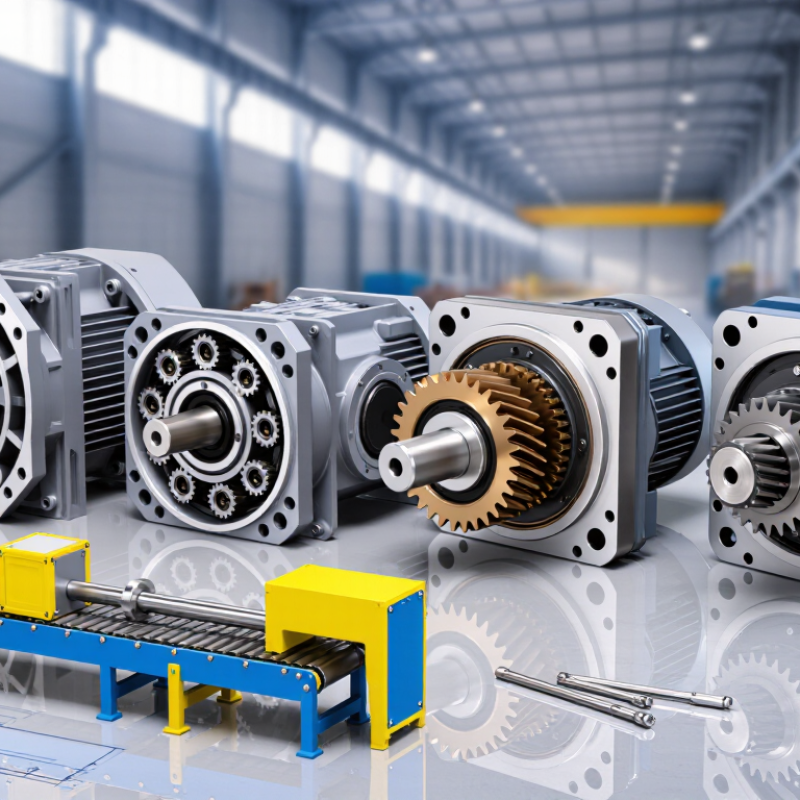
What Are the Top Zwx Gear Motor Types?

What Is a ZWX Gear Motor and How Does It Work?

What Are the Top Zwx Gear Motor Types?

What Is a ZWX Gear Motor and How Does It Work?

A ZWX gear motor combines an electric motor with a gearbox in one drive unit. The motor supplies rotation; the gears reduce output speed and increase torque. ZWX may identify a particular series or configuration, rather than a universal gear-motor design. Check the model plate and technical sheet before selecting parts.

Inside, a rotor turns the motor shaft, which drives gears arranged to suit the required load and space. Spur, helical, worm, and planetary arrangements can produce different speed, torque, and efficiency characteristics. For example, a conveyor may need steady, low-speed output to move loaded boxes without sudden starts. The exact result depends on gearing, motor power, and the load. Heat matters.

For a real installation, compare rated torque and speed with the machine’s starting and running demands. Also check duty cycle, mounting position, lubrication, and enclosure rating; a motor that fits physically may still overheat under frequent starts. The U.S. Department of Energy’s 2014 United States Industrial and Commercial Motor System Market Assessment Report estimates that motor-driven systems use about 54% of electricity in U.S. manufacturing. That figure covers motor systems broadly, not ZWX gear motors specifically. The label alone is not enough. A careful match needs the actual operating conditions and manufacturer specifications.

Which Main Gearbox Types Are Used in ZWX Gear Motors?

Which Main Gearbox Types Are Used in ZWX Gear Motors?

ZWX gear motors may use helical, worm, planetary, or bevel-helical gearboxes, depending on the model and application. A helical gearbox suits steady, continuous operation because its angled teeth engage smoothly and typically run quietly. It is common in conveyors, mixers, and packaging equipment. Check the rated output torque and service factor, not just motor power.

Worm gearboxes turn the drive through 90 degrees and offer a compact layout with high reduction in one stage. They can produce more heat and lose more energy than many helical designs. Self-locking is not guaranteed; confirm it with the supplier for the specific load and configuration. Compact, but not universal.

Planetary gearboxes place several gears around a central sun gear, supporting high torque in a relatively small package. They can suit indexing tables and compact machinery where space is tight. Bevel-helical units also change the drive direction, while retaining the efficiency advantages associated with helical gearing.

IEA’s report Energy-Efficiency Policy Opportunities for Electric Motor-Driven Systems estimates that motor-driven systems use about 45% of global electricity. That makes gearbox losses relevant, though operating conditions and maintenance change actual performance.

Gear labels alone can mislead; compare published efficiency, backlash, noise, and duty-cycle data for the exact ZWX model.

How Do Spur, Helical, Planetary, Worm, and Bevel Types Differ?

Zwx gear motors use different gear layouts to balance speed, torque, noise, and space.

Spur gears are straightforward and often efficient, making them useful for simple drives. Their teeth engage directly, though operation can sound louder at higher speeds.

Helical gears mesh gradually, so they usually run more smoothly and quietly. Their angled teeth also create axial force, which the housing and bearings must handle.

Planetary gears place several smaller gears around a central sun gear. This compact arrangement can deliver high torque, which suits equipment with limited installation space.

Worm gears provide right-angle drive and substantial speed reduction in one stage. They may generate more heat, and self-locking should never be assumed without checking the design.

Bevel gears redirect power between intersecting shafts, often at a right angle; their performance depends on gear geometry and setup.

The choice is not perfectly tidy. Mounting, load, and duty cycle can change the result.

Tips: Check the required output speed and torque, then confirm shaft direction and available space. For example, a quiet indoor conveyor may favor helical gearing, while a compact, high-torque actuator may suit planetary gearing. Compare efficiency and heat under the actual load. Small details matter. A paper specification cannot replace a fit check.

What Performance Factors Distinguish These Gear Motor Types?

A gear motor’s real advantage shows up under load, not in a catalogue headline. Helical units generally run smoothly and efficiently, making them suitable for conveyors that operate for long shifts. Worm units can provide high reduction in a compact package, but sliding contact may create more heat and lower efficiency. Check temperature after sustained operation. It matters.

Bevel gear motors redirect power through an angle, useful where the drive layout is tight. Planetary designs deliver high torque in a compact space, often with low backlash, though bearing loads and lubrication affect service life. Compare rated output torque, speed range, starting torque, efficiency, noise, and permitted duty cycle. A motor that meets peak torque but overheats during repeated starts is a poor fit.

The International Energy Agency’s report Energy-Efficiency Policy Opportunities for Electric Motor-Driven Systems (2011) estimates that motor-driven systems use about 45% of global electricity. That figure covers systems broadly, not gear motors alone, but it shows why efficiency deserves attention. Match the reducer to actual load and operating hours. Also inspect the full drive train: misalignment, poor lubrication, or undersized controls can erase expected gains. Catalog data helps, but it cannot fully predict a dusty, stop-start installation.

How Do You Match a ZWX Gear Motor Type to an Application?

Matching a ZWX gear motor starts with the driven load, not the catalog picture. Record required output speed, continuous torque, starting torque, duty cycle, and mounting limits. Then check the load’s real behavior: a conveyor carrying uneven boxes differs from a fan running steadily. There is no perfect shortcut. A brief measurement can prevent a poor selection.

For compact, steady applications, an inline helical reducer is often efficient and straightforward to install. A worm reducer suits right-angle layouts and lower speeds, though heat and efficiency deserve attention. Planetary units handle high torque in a compact footprint; bevel-helical designs fit right-angle drives needing stronger efficiency. Match the service factor to shock loads, starts per hour, and operating hours. A neat catalog choice can still be wrong.

Energy use makes correct sizing important. The IEA’s Energy Efficiency 2023 report estimates motor systems consume about 53% of global electricity. The U.S. Department of Energy’s Improving Motor and Drive System Performance sourcebook puts motor systems at roughly 70% of U.S. industrial electricity use. These figures describe motor systems broadly, not gear motors alone. For a final check, compare the motor’s thermal rating with actual duty, confirm shaft and mounting dimensions, and verify noise and temperature under load. Real installations can be messier than the calculation.

What Are the Top Zwx Gear Motor Types? - How Do You Match a ZWX Gear Motor Type to an Application?
Gear Motor Type Typical Configuration Key Characteristics Common Applications Best Match When... Selection Checks
Inline Helical Input and output shafts are parallel and aligned along the reducer axis. Generally efficient and smooth-running; supports a broad range of ratios and mounting arrangements. Conveyors, mixers, packaging machinery, and material-handling equipment. You need a compact, general-purpose drive with good efficiency and a parallel-shaft layout. Required output speed and torque, duty cycle, mounting position, and available installation space.
Parallel-Shaft Helical Parallel input and output shafts, often with a larger center distance than an inline arrangement. Suited to higher output torque and heavier loads; typically efficient in continuous operation. Conveyor drives, process equipment, and industrial material handling. The machine needs a parallel-shaft drive and substantial torque in a relatively robust package. Radial and axial shaft loads, service factor, shaft orientation, and mounting method.
Bevel-Helical Bevel gearing changes the direction of power transmission, commonly between shafts at right angles, with helical stages for reduction. Provides a right-angle drive with high efficiency and capacity for demanding service. Conveyors, crushers, mixers, and machinery with a right-angle drive requirement. The input and output directions must be changed while maintaining efficient power transmission. Required ratio, torque, shaft direction, mounting orientation, and external shaft loads.
Worm A worm screw drives a worm wheel, typically producing a right-angle output. Compact right-angle arrangement; sliding contact can generate more heat and lower efficiency than comparable helical gearing. Self-locking should not be assumed. Compact conveyors, positioning equipment, gates, and light-to-moderate-duty drives. Space, a right-angle layout, or a high reduction ratio in one stage is a priority. Thermal capacity, duty cycle, lubrication, efficiency, and whether a separate brake is required.
Planetary Multiple planet gears rotate around a central sun gear within an outer ring gear. High torque density and compact coaxial design; can provide low backlash when designed for precision service. Robotics, machine tools, mobile equipment, and compact high-torque drives. High torque is needed in a small package, or the application requires precise speed control. Backlash specification, peak and continuous torque, radial loads, shock loading, and cooling.
Coaxial Helical Input and output shafts share the same centerline, with helical reduction stages inside the housing. Smooth operation and good efficiency; useful where a straight-through shaft arrangement is preferred. Agitators, process machinery, and equipment with coaxial drive connections. The motor and driven machine are arranged on a common axis and low-noise operation is desirable. Output torque, coupling arrangement, shaft loads, mounting position, and operating speed.
Right-Angle Helical-Bevel A helical-bevel gear stage redirects the drive through a right angle. Combines a compact right-angle layout with efficient gearing for continuous industrial duty. Packaging lines, conveyors, and production machinery with limited installation space. A right-angle drive is required and efficiency or continuous-duty performance matters. Space envelope, ratio, torque, mounting position, and service factor for the actual load profile.

Matching note: Final selection should be based on the required output speed and torque, load type, operating hours, starts per hour, ambient conditions, mounting position, and available space. Gearbox performance varies by design and operating conditions; confirm ratings and any brake or thermal requirements with the equipment supplier.