
Fiat Fuel Injectors are not one universal part. The correct type depends on the model, engine code, fuel, and injection system. Many older petrol Fiats use port or multipoint injection, where injectors spray fuel into the intake ports. Some newer petrol engines use direct injection, delivering fuel into the combustion chamber. Diesel Fiats typically use electronically controlled common-rail injectors. Older vehicles may also have single-point systems. The distinctions matter. A connector may fit while flow rate, spray pattern, or pressure does not.
Industry sources help frame the topic, but they cannot identify a suitable part for every Fiat. The U.S. EPA’s 2024 Automotive Trends Report tracks gasoline direct injection as an engine technology; it is not a Fiat parts catalog. Bosch technical material likewise describes injector performance in relation to the wider fuel system. MIT engine researcher John B. Heywood’s published work supports a practical takeaway: fuel delivery must be considered as part of the complete combustion system. That is a paraphrase, not a verbatim quotation. Check the VIN, engine code, and original equipment number before choosing replacements. Also verify fuel type and calibration requirements. Small details matter. A mismatched injector can cause rough idle, poor starting, or uneven running. This guide compares the main injector types and explains where each is commonly found. Fiat applications vary by market and year, so confirm fitment against reliable service information. Parts listings can be incomplete. That deserves a second look.
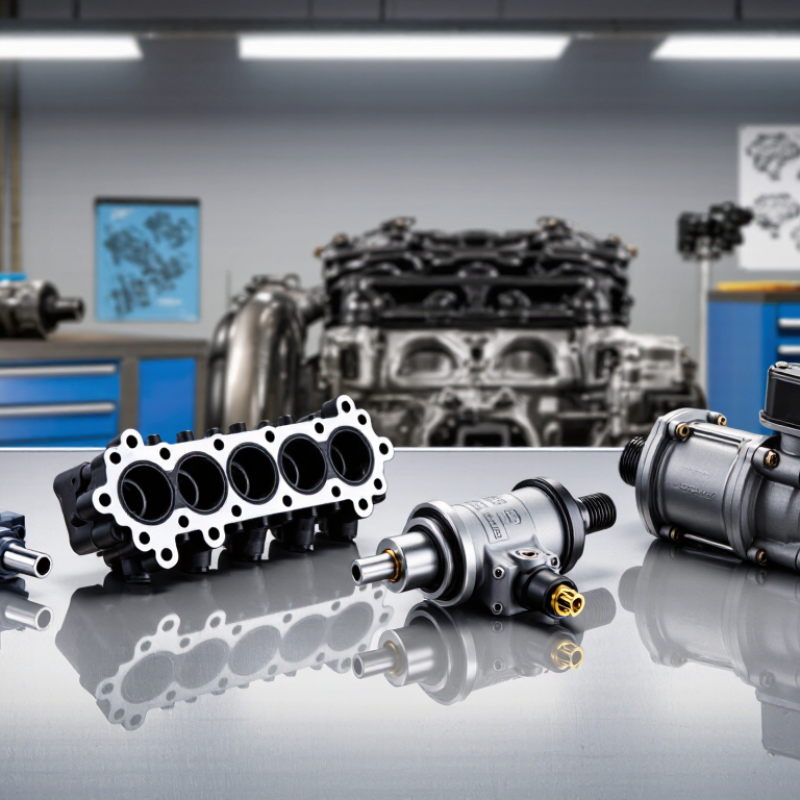
Fuel injectors are commonly classified by where they deliver fuel. Port fuel injectors spray into the intake port, near the intake valve. Throttle-body systems use injectors positioned above the throttle plate. Gasoline direct-injection injectors spray straight into the combustion chamber. That location changes pressure demands, spray pattern, and servicing needs. Small details matter.
A second classification describes how each injector is actuated. Solenoid injectors use an electromagnetic coil; piezoelectric designs use a fast-responding ceramic element. Injectors may also be top-feed or side-feed, based on fuel-entry layout. SAE technical literature reports that port-injection systems commonly operate around 3–5 bar, while many modern direct-injection systems work at roughly 200–350 bar. These are broad engineering ranges, not specifications for every engine. Direct-injection parts also need precise spray targeting, so a visual match alone is not enough. I would check the engine code and service data before selecting a replacement; classification labels can be misleading when generations differ.
Single-point injection uses one injector near the throttle body to feed fuel into a shared intake path. It is a simpler layout, with fewer injectors to inspect. Picture one nozzle serving several runners. Fuel distribution can be less even, especially when intake passages differ in length or temperature. Multi-point injection places an injector near each cylinder’s intake port. Each nozzle delivers fuel close to its intake valve, allowing more cylinder-specific control. The U.S. EPA’s 2023 Automotive Trends Report reported average new-vehicle fuel economy of 26.0 miles per gallon for model year 2022. That figure covers whole vehicles, not injector types; it is useful context, not proof that one layout saves a fixed amount of fuel.
On a multi-point system, a technician may compare injector pulse, electrical resistance, and cylinder contribution, then check for restricted flow or a poor spray pattern. Single-point faults can affect several cylinders at once, so rough idle may not identify the injector immediately. That part is easy to miss. Multi-point designs generally allow more precise metering, but add components and potential leak or wiring points. Neither layout alone determines engine performance. Calibration, fuel pressure, sensor condition, and intake deposits matter too. Exact arrangements vary by engine generation, so verify the service information before ordering parts or diagnosing a fault.
| Feature | Single-Point Injection (Throttle-Body Injection) | Multi-Point Injection (Port Fuel Injection) |
|---|---|---|
| Basic layout | One central injector, or a small central injector assembly, supplies fuel to the engine through the throttle-body area. | Each cylinder has its own injector, positioned in the intake port near the intake valve. |
| Injector count | Usually one injector for the engine, regardless of the number of cylinders. | Typically one injector per cylinder; a four-cylinder engine generally has four port injectors. |
| Fuel delivery | Fuel enters the common intake path and is distributed among the cylinders by the intake manifold. | Fuel is metered separately for each cylinder and sprayed into its intake port. |
| Typical system characteristics | Uses a relatively simple central arrangement. Fuel distribution can be less even between cylinders, particularly under some operating conditions. | Allows more cylinder-specific fuel metering and generally provides more consistent distribution than a central injector layout. |
| Potential advantages | Fewer injectors and a comparatively straightforward layout can make the system simpler to inspect and diagnose. | More precise control of fuel delivery by cylinder can support smoother operation, drivability, and emissions control when the system is functioning correctly. |
| Potential limitations | Fuel must travel through the intake manifold to reach each cylinder, so distribution may be less precise than with port injection. | More injectors and related connections mean additional components to inspect; access and repair effort depend on the engine layout. |
| General Fiat application context | Found in some older gasoline-engine designs. Availability depends on the specific engine, production year, and market. | Used in many gasoline-engine designs, but the exact system depends on the engine generation, production year, and market. |
| Common inspection points | Check injector operation, electrical connections, fuel pressure, throttle-body condition, and signs of fuel leakage. | Check each injector’s electrical connection and operation, fuel pressure, seals, and signs of leakage or restricted spray. |
| Important distinction | These categories describe gasoline fuel-injection layouts. Diesel engines use different injection systems, and the correct injector type must be identified by the specific engine and vehicle documentation. | |
The injection system fitted to a particular vehicle can vary by engine, model year, and sales market. Confirm the engine specification before ordering replacement parts.
Direct-injection fuel injectors deliver fuel straight into each cylinder, rather than into the intake port. Some engines in this model range use this design, but fitment depends on engine code and model year. Injector designs may use solenoid or piezoelectric actuation; the two are not interchangeable. SAE technical literature commonly places gasoline direct-injection fuel pressure around 200–350 bar, compared with roughly 3–5 bar for port injection. Exact pressure varies by system. That difference makes clean spray patterns and correct calibration especially important.
A worn injector can cause rough starting, uneven idle, or a sharp fuel smell. These signs are clues, not a diagnosis. Deposits at the nozzle can distort the fine spray, while a poor electrical connection may create similar symptoms. A technician can compare cylinder balance, scan fault codes, and check pressure against the engine’s service specifications. SAE research on spray formation also emphasizes that nozzle geometry and injection timing affect how fuel mixes with air.
Tips: Match any replacement to the engine code and injector specification. Don’t rely on appearance alone. After installation, check for leaks and confirm stable idle before driving. A small detail, but an easy one to miss.
Diesel common-rail injectors deliver carefully measured fuel into each cylinder at high pressure. In Fiat diesel vehicles, the correct injector depends on the engine code, model year, and fuel-system design. Some systems use solenoid injectors; others use piezoelectric types. They are not automatically interchangeable. Each must match the engine’s calibration and connector setup.
A worn injector may cause rough idling, hard starts, excess smoke, or uneven engine noise. These signs can also come from a blocked filter, low compression, or another fuel-system fault. A scan tool and suitable pressure tests help narrow the cause. Guessing from symptoms alone can lead to unnecessary replacement. Even experienced technicians can miss the real issue when diagnosis is rushed.
Tips: Check the engine code and injector part number before ordering. Keep dirt away from open fuel lines; tiny particles can affect precision parts. After replacement, follow the required coding or calibration procedure. Small details matter. A clean installation is useful, but it cannot fix an injector that is incorrectly matched.
How to read this chart: Diesel common-rail systems use electronically controlled solenoid or piezoelectric injectors. The bars show representative rail-pressure levels found across common-rail system generations; they are not Fiat-specific fitment specifications. Injector type and pressure depend on the engine and fuel system, so confirm compatibility using the vehicle’s engine code or VIN.
Choosing the correct injector starts with the exact engine, not just the vehicle model or year. Engines may use port injection, where fuel enters the intake port, or direct injection, where it sprays into the cylinder. These injectors are not interchangeable. Check the engine code, VIN-linked parts listing, and the number on the original injector. Then compare connector shape, overall length, seal position, and electrical resistance.
Flow rate and operating pressure matter too. The U.S. Environmental Protection Agency’s 2024 Automotive Trends Report puts average new-vehicle fuel economy at 27.1 miles per gallon for model year 2023. That figure describes the vehicle fleet, not injector performance, but it highlights why correct fuel metering matters. A mismatched flow rating can cause rough running, poor starting, or excessive fuel use. A catalog match can still be wrong.
Tips: Photograph the old injector beside a ruler, and record its part number before ordering. Confirm whether the engine is port- or direct-injected. Check twice. If the number is unreadable, have a qualified technician verify the engine code and specifications; guessing from appearance alone is risky.
