What is a Water Chiller and How Does It Work?
In the realm of cooling technologies, a water chiller occupies a crucial role. These systems are essential for maintaining the optimal temperature in various applications, from industrial processes to comfort cooling in buildings. Expert John Smith, a leading engineer in HVAC systems, states, “A water chiller is not just a luxury; it’s a necessity in today’s heat-driven world.” His insight highlights the importance of understanding how these systems function.
Water chillers operate by removing heat from a liquid via a vapor-compression or absorption refrigeration cycle. This process results in cooled water, which can be used for air conditioning or equipment cooling. It's fascinating to see how different types of chillers can be tailored for specific needs. However, miscalculating specifications or maintenance can lead to inefficiencies.
The complexity of a water chiller's operation is often underestimated. It's essential to recognize that not all chillers are created equal. Choosing the right one requires careful consideration of various factors. In an industry where precision matters, every detail counts. Understanding these systems empowers users to make informed decisions and optimize performance.
What is a Water Chiller: Definition and Overview
A water chiller is a crucial component in various industrial and commercial applications. It functions by extracting heat from liquid via a vapor-compression or absorption refrigeration cycle. This process cools water, which is then circulated to different systems needing temperature control. A recent report by MarketsandMarkets revealed the global water chiller market is projected to grow to $10.23 billion by 2026, highlighting its rising importance in industries.
The mechanism starts with refrigerant absorbing heat from the water. The refrigerant then passes through a compressor, raises its pressure, and enables heat rejection in the condenser. This continuous cycle maintains a consistent temperature, essential for processes in manufacturing, food processing, and HVAC systems.
Tip: Regular maintenance of water chillers can enhance efficiency and prolong lifespan. Schedule check-ups every six months. Delays in service can lead to costly repairs. Another tip is to monitor energy consumption. Industry studies suggest that improper sizing can lead to 30% more energy expenditure. Always consider your cooling needs before making a decision.
The Components of a Water Chiller and Their Functions
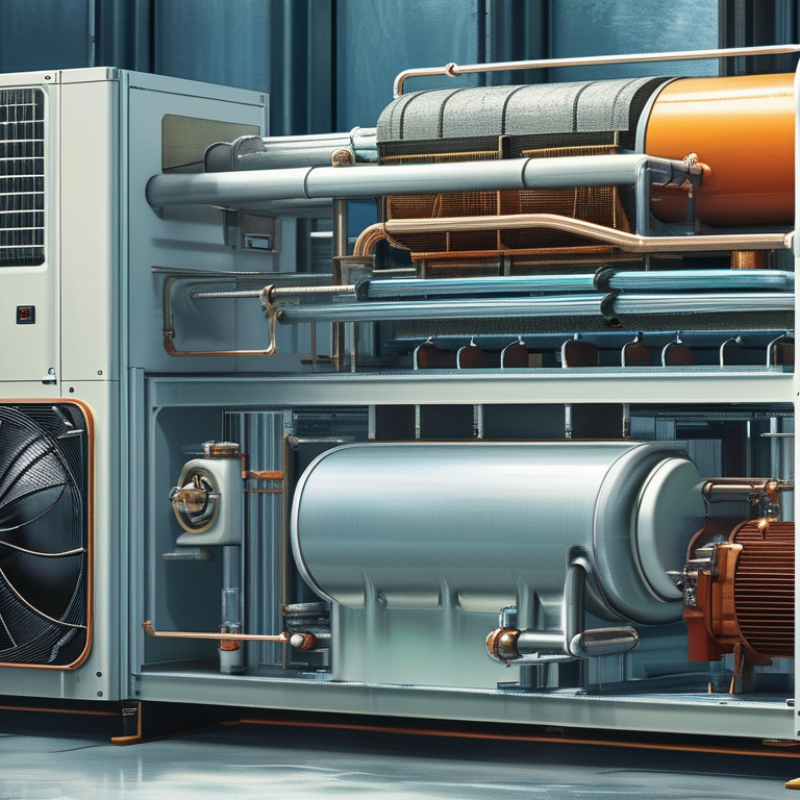
Water chillers are complex systems designed to provide cooling for various applications. Understanding their components is crucial for efficient operation. The primary elements of a water chiller include a compressor, condenser, evaporator, and expansion valve. Each plays a vital role in the chilling process.
The compressor is responsible for circulating the refrigerant, raising its pressure and temperature. This action transforms the refrigerant into a gas. The condenser then cools this gas, converting it back into a liquid by dissipating heat to the surroundings. Industry data suggest that efficiency can be improved by up to 20% through regular maintenance of these components.
The evaporator absorbs heat from the water, allowing the refrigerant to evaporate and cool the water circulating through the system. The expansion valve regulates the refrigerant flow, balancing the pressure differences throughout the chiller. These components work together in a continuous cycle.
Tips: Regular inspection of the compressor and condenser can prevent efficiency loss. Fine-tuning the expansion valve enhances system performance. Consider periodic training for operators to understand these components better.
What is a Water Chiller and How Does It Work? - The Components of a Water Chiller and Their Functions
| Component |
Function |
| Evaporator |
Absorbs heat from the water, causing liquid refrigerant to evaporate. |
| Compressor |
Compresses the refrigerant gas, raising its temperature and pressure for circulation. |
| Condenser |
Releases absorbed heat to the environment as the refrigerant condenses back into a liquid. |
| Expansion Valve |
Reduces the pressure of the refrigerant, allowing it to expand and cool before entering the evaporator. |
| Pump |
Moves water through the system, ensuring proper flow rate and circulation. |
| Cooling Tower |
Assists in removing heat from the condenser, enhancing the chiller's efficiency. |
How a Water Chiller Operates: The Cooling Cycle Explained
A water chiller functions through a cooling cycle that utilizes a refrigerant. The cycle involves specific components: evaporator, compressor, condenser, and expansion valve. Water absorbs heat in the evaporator, turning the refrigerant into a gas. This gas is then compressed, raising its pressure and temperature.
Next, the hot gas travels to the condenser. Here, it releases heat and condenses back into a liquid. The refrigerant then flows through the expansion valve, dropping in pressure and temperature. This cycle efficiently cools water, making it ideal for industrial applications, such as in manufacturing or food processing.
Data from the International Institute of Refrigeration indicates that chillers can improve energy efficiency by up to 30%. However, operation can be complex. Maintenance issues often arise, influencing efficiency. Regular checks and proactive repairs are necessary to sustain optimal performance. Understanding how a water chiller operates allows for better management of resources and cost-effectiveness in cooling systems.
Common Applications of Water Chillers in Industry and HVAC
Water chillers play a crucial role in various industries and HVAC systems. In manufacturing, they help cool industrial processes. For example, in plastic molding, chillers maintain optimal temperatures to prevent defects. They ensure that equipment operates efficiently and prolongs its lifespan. Many factories rely on chillers for effective heat removal during production.
In HVAC systems, water chillers are vital for cooling large buildings. They circulate chilled water to air conditioning units. This process maintains comfortable indoor temperatures even during hot weather. Data centers also utilize chillers to prevent overheating of servers. However, the efficiency of these systems can diminish over time, leading to increased energy consumption. Regular maintenance is essential to keep water chillers running optimally.
Despite their importance, some industries might overlook the need for proper installation and maintenance. Inadequate attention can lead to costly breakdowns and inefficiencies. It's essential to evaluate the specific cooling requirements before selecting a chiller. Continuous assessment of a chiller's performance is crucial to ensuring reliable operation and energy efficiency.
Maintenance Tips for Ensuring Optimal Water Chiller Performance
Maintaining your water chiller is essential for optimal performance. Regular checks can prevent unexpected breakdowns. Start with the water quality. Impurities can harm internal components. Use a filter to keep water clean. Monitor the pH levels regularly. Clean water leads to better cooling efficiency.
Next, focus on the condenser coils. Dust and debris can accumulate over time. This buildup reduces the chiller's effectiveness. Schedule a cleaning at least every six months. While this might seem tedious, it prevents energy waste. A clean coil can improve cooling by up to 30%.
Don’t overlook the importance of regular inspections. Hire a professional to check for leaks or unusual noises. These could indicate underlying issues. Addressing small problems early may save you time and money later. Keeping a log of maintenance activities helps track performance trends. This practice can reveal patterns that need your attention. Ultimately, investing time in maintenance can lead to longer-lasting equipment.
Water Chiller Performance Metrics
This bar chart displays the monthly average temperature and efficiency readings for a water chiller over a six-month period. Maintaining optimal performance is crucial for energy efficiency and longevity.