What is a Water Chiller System and How Does It Work?
A water chiller system is essential in various industries. It efficiently removes heat from a liquid, providing a cooling effect. According to Dr. Emily Johnson, a leading HVAC expert, "A well-designed water chiller system can optimize energy usage and enhance operational efficiency."
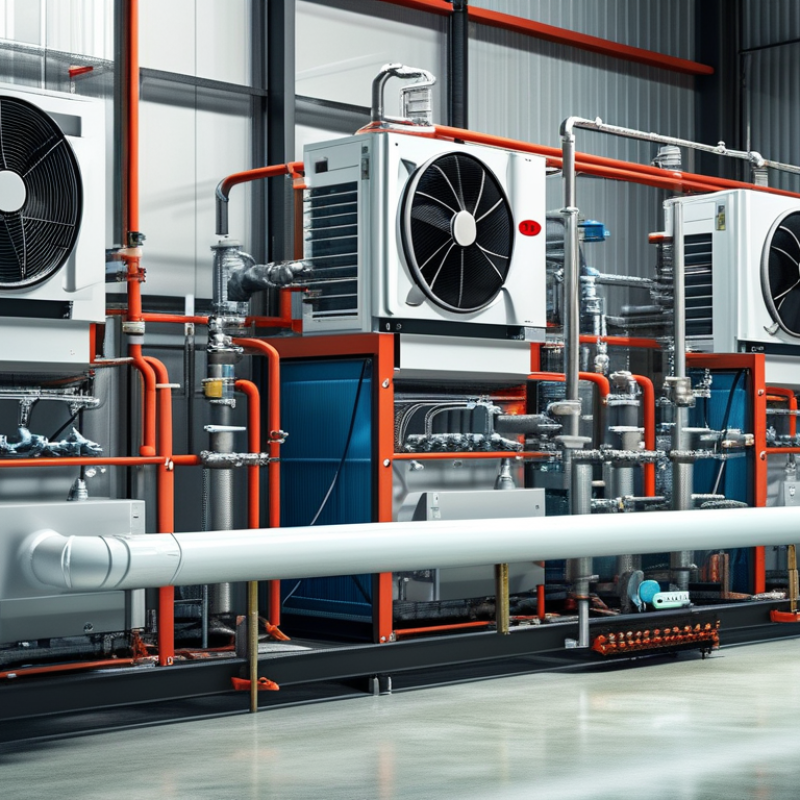
In essence, these systems ensure temperature control in commercial buildings, industrial processes, and even data centers. The components include a compressor, evaporator, condenser, and expansion valve, each playing a crucial role. Chillers maintain product quality in food storage and improve comfort in office spaces.
Yet, challenges remain. Selecting the right chiller requires understanding operational needs and energy demands. Maintenance is often neglected, leading to inefficiencies. Recognizing these complexities can lead to better decision-making regarding water chiller systems.
What is a Water Chiller System?
A water chiller system is an essential component in various industrial and commercial applications. It is designed to remove heat from a liquid through a vapor-compression or absorption refrigeration cycle. This process typically uses refrigerants to cool water. The chilled water is then circulated to provide cooling for various equipment or spaces.
In many facilities, these systems can be complex. They often consist of multiple components, including compressors, condensers, evaporators, and expansion valves. Each part plays a crucial role in the overall efficiency and effectiveness of the system. For instance, a compressor increases the pressure of the refrigerant. This element is critical in ensuring that the system operates smoothly. However, improper maintenance can lead to inefficiencies and even system failure.
Despite the advantages of a water chiller system, some challenges arise. They can consume substantial energy, contributing to high operational costs. Additionally, they require regular maintenance to function properly. Neglecting this can result in unexpected breakdowns. It's also worth noting that not all systems are suitable for every application. Each facility must assess its cooling needs carefully. This careful consideration can lead to better operational outcomes and energy savings.
Water Chiller System Efficiency by Month
This chart illustrates the efficiency of a water chiller system over the months. The data reflects average efficiency percentages measured monthly. Higher values indicate better energy performance.
Key Components of a Water Chiller System
A water chiller system is essential in various industrial and commercial applications. Understanding its key components can provide valuable insights into its functionality.
The primary component is the compressor, which circulates refrigerant and increases its pressure. This step is crucial for the cooling cycle.
Another important part is the evaporator, where the refrigerant absorbs heat, cooling the water in the process.
The condenser is equally vital. It dissipates heat from the refrigerant, allowing it to return to its liquid state. This part often uses fans to enhance the cooling effect. Additionally, the expansion valve regulates the refrigerant flow into the evaporator. It helps maintain optimal pressure and temperature for efficient cooling. Each component has its role, but they must work harmoniously.
Maintenance is critical for reliability. Neglecting any part can lead to reduced efficiency. Regular checks can help identify potential issues before they escalate. Users often overlook the importance of clean filters and proper coolant levels. These factors directly impact performance and longevity. Keeping a close eye on these elements can enhance system reliability and efficiency.
How Water Chiller Systems Work: The Cooling Process
Water chiller systems play a crucial role in various applications requiring precise temperature control. These systems operate using a simple but effective cooling process. Water is circulated through a series of coils to absorb heat from the environment. This heat is then dissipated outside, often through a condenser.
During the cooling process, refrigerant within the system evaporates, absorbing heat as it transitions from liquid to gas. This gas is compressed, raising its pressure and temperature before it travels to the condenser. Here, it cools down by releasing heat, returning to a liquid state. The cycle repeats, keeping the water at a consistent, cool temperature.
Tips: Regular maintenance is key. Check and clean filters monthly to ensure optimal performance. Also, monitor water levels and adjust as needed. Small leaks can disrupt the process, causing inefficient cooling.
Optimal installation is essential too. Properly sized chillers should match the facility's cooling needs. Oversized units can lead to short cycling, while undersized ones may struggle to keep temperatures down. This balance is vital for an efficient and reliable cooling process.
Types of Water Chiller Systems and Their Applications
Water chiller systems are critical in various industries. Different types serve specific needs. One common type is the air-cooled chiller. It's efficient and uses ambient air for cooling. These systems are often found in commercial buildings and equipment cooling. They are typically easier to install and maintain, but they can be less effective in high-temperature environments.
Another type is the water-cooled chiller. This system relies on a cooling tower for temperature regulation. It is more energy-efficient than air-cooled chillers, making it suitable for larger applications. They often have a complex setup but are favored for their superior performance. Additionally, there are absorption chillers that utilize heat sources instead of electricity. These are useful in areas with surplus waste heat.
Each type has unique applications. The choice often depends on factors like efficiency, cost, and space restrictions. While air-cooled systems work well in moderate climates, water-cooled chillers excel in dense industrial settings. Balancing performance with energy use is vital. Understanding these nuances helps in selecting the right system for your specific needs.
What is a Water Chiller System and How Does It Work? - Types of Water Chiller Systems and Their Applications
| Type of Water Chiller |
Description |
Applications |
Efficiency Rating |
| Air-Cooled Chiller |
Uses air to cool the refrigerant and disperse heat. |
Commercial buildings, refrigeration systems. |
Typically rated from 3.0 to 6.0 EER. |
| Water-Cooled Chiller |
Utilizes water from a cooling tower to dissipate heat. |
Industrial processes, large-scale cooling needs. |
Typically rated from 4.0 to 7.0 EER. |
| Absorption Chiller |
Uses heat instead of electricity to produce chilled water. |
Sustainable energy applications, district cooling systems. |
Efficiency typically around 0.6 to 1.2 COP. |
| Portable Chiller |
Compact unit that can be moved to different locations. |
Events, temporary cooling needs, or in smaller facilities. |
Varies, typically rated between 1.5 to 3.0 EER. |
Benefits of Using Water Chiller Systems in Various Industries
Water chiller systems play a crucial role in various industries, including manufacturing, food processing, and data centers. These systems are designed to remove heat from liquid, cooling it down for reuse in industrial applications. According to industry reports, the global water chiller market is expected to reach $11.2 billion by 2026, reflecting a growing dependency on efficient cooling systems.
In manufacturing, water chillers ensure that machinery operates at optimal temperatures, thereby enhancing productivity. For instance, they prevent overheating during processes that require precision. In food processing, maintaining consistent temperatures is vital for food safety and quality. A report from the Food and Beverage Industry highlights that proper cooling can reduce spoilage rates by up to 20%.
Data centers rely heavily on water chillers to manage heat generated by servers. A well-designed water chiller system can decrease energy consumption by 30%, providing substantial savings over time. However, not all systems are foolproof. Regular maintenance is essential. Neglect can lead to inefficiencies and decreased lifespan. Industries must assess their cooling needs continuously, ensuring that they adopt the right technologies to prevent potential failures.