Top Wholesale Food Packaging Suppliers in China?
Choosing a packaging partner in China can affect product protection, shelf presentation, and delivery costs. Food businesses need more than an attractive quote. They need packaging suited to the product, filling process, storage conditions, and customer expectations. When comparing Wholesale Food Packaging suppliers, small details matter: seal strength, material thickness, print consistency, and carton durability. A sample may look right on a desk yet behave differently on a busy packing line. Test it under realistic conditions.
This guide introduces factors to consider when reviewing suppliers, including product range, customization options, communication, sampling, and production capability. It also explains why buyers should request clear specifications and confirm quality checks before placing larger orders. Packaging requirements vary by product and destination market, so verify relevant food-contact standards with qualified professionals. Do not rely on a supplier’s broad assurances alone. Ask for current documentation, review samples, and clarify lead times and defect-handling procedures in writing. Small checks matter.
A shortlist is only a starting point, not proof of fit. Supplier details and capabilities can change, and no single option suits every business. Compare carefully. The aim is to help readers ask better questions and make a more informed decision, rather than treat any ranking as a guarantee.
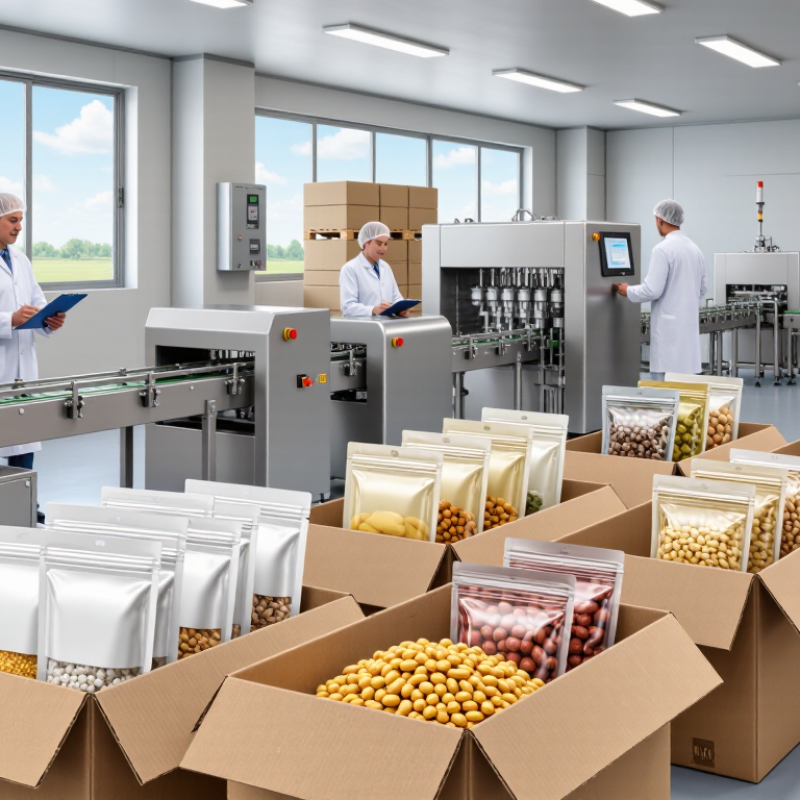
What Wholesale Food Packaging Suppliers in China Provide
What Wholesale Food Packaging Suppliers in China Provide
Wholesale food packaging suppliers in China may offer paper cartons, plastic containers, flexible pouches, trays, cups, and lids. Product range varies by factory. Some suppliers manufacture packaging directly, while others coordinate production through partner facilities. Ask who makes each item and where quality checks take place.
Many suppliers can adjust dimensions, materials, printing, and closure styles to suit a product. A pouch for dry snacks needs different protection from a container holding a chilled meal. Discuss moisture and oxygen barriers, seal strength, filling temperature, and storage conditions before approving a design. Request material specifications and relevant test reports for your intended market. Samples matter. A package may look right but still leak or seal poorly on your filling line. Not every fit works.
Tips: Send a clear product brief with measurements, expected order volume, and shipping requirements. Ask for samples made with the proposed material, not just a similar item. Check whether quoted prices include printing plates, packing, and delivery. Keep a signed sample for comparison with the first production batch. Small details can get missed, and written records help resolve differences.
Common Packaging Products and Materials
Wholesale food packaging ranges from corrugated shipping cartons to small sauce cups and resealable pouches. Common materials include paperboard, kraft paper, polyethylene, polypropylene, PET, aluminum foil, and molded fiber. Each serves a different job: PET offers product visibility, while foil helps block light and moisture. Paper bowls may use a thin plastic lining, so the material name alone does not describe the full package. Small details matter.
Packaging choices should match the food, filling temperature, transport conditions, and local recycling options. The OECD’s Global Plastics Outlook (2022) reports that packaging generated 40% of global plastic waste in 2019. UNEP’s Turning off the Tap (2023) estimates that packaging accounts for about 36% of plastics produced worldwide. These figures explain why buyers increasingly compare lightweight films with fiber-based options, not just unit prices. Still, “paper-based” does not automatically mean easily recyclable; coatings and food residue can complicate disposal. That gap is easy to miss in a supplier catalog. Ask for material specifications, food-contact documentation, and samples, then check whether seals stay intact after a chilled delivery or a rough carton drop.
How to Compare Supplier Capabilities and Services
Comparing wholesale food packaging suppliers in China takes more than checking unit prices. Ask for written specifications covering material, dimensions, thickness, and sealing method. Request food-contact documents relevant to the product and market. Test samples from the same production process planned for bulk orders. A container may look sturdy on a desk but warp when filled with hot soup. Check how the supplier handles print proofs, color changes, and size tolerances. Small differences matter.
Tips: Send a test order using your actual product. Check lid fit after transport, not just during packing. Ask for carton dimensions, gross weight, and lead time in writing. Compare the answers, not only the quotation. Keep a photo record. It helps.
Service quality shows up when plans change. Confirm who handles technical questions, how defects are recorded, and what happens if a shipment is delayed. Ask for a sample inspection checklist, then make sure it matches your order. Compare minimum order quantities and options for repeat orders, too. Some suppliers may respond quickly before payment and slowly afterward, so test communication with a specific question. One polished sample does not prove consistent output. Repeat checks can feel tedious, but they may reveal gaps early.
Quality, Safety, and Regulatory Requirements
Choosing wholesale food packaging suppliers in China takes more than comparing prices and print quality. Ask which layers contact food: film, coatings, inks, and adhesives. A clean sample is useful, but it proves little about production consistency. Request current food-contact declarations and test reports for the exact material and intended use. Specifications should reflect heat exposure, food acidity, and storage time.
Requirements vary by destination market and product type. Confirm that documents match the regulations applicable to your sales region. Review migration test results, batch codes, and traceability records. Check report dates, sample descriptions, and laboratory credentials rather than accepting a certificate at face value. Inspect factory controls, including incoming material checks, line hygiene, pest prevention, and rejected-batch logs. Small details matter. A missing lot code can slow a response to a quality complaint.
Before placing a large order, run a production trial using your actual filling and sealing equipment. Check seal strength, odor, print rub-off, and performance after storage. Keep approved samples and written specifications for comparison with later batches. Even a careful audit has blind spots, so schedule follow-up checks. The process may feel repetitive, but packaging failures can be costly.
Food-Contact Plastic Packaging: Overall Migration Limits
Regulatory limits for overall migration into food simulants, expressed in milligrams per square decimeter (mg/dm²).
Both the EU’s Regulation (EU) No 10/2011 and China’s GB 4806.7-2023 set an overall migration limit of 10 mg/dm² for plastic food-contact materials. Requirements depend on the material, intended use, and test conditions; these limits do not apply universally to every packaging type.
Steps for Sourcing Food Packaging from China
Sourcing food packaging from China starts with a clear product brief. Specify the food type, use conditions, contact surface, dimensions, order volume, and target delivery date. Details matter. A tray for oily noodles needs different performance from a pouch for dry biscuits. Ask suppliers about material structure, thickness, sealing method, and available test records. Do not rely on product photos alone. Request samples and check odor, seal strength, leakage, print alignment, and fit with your filling equipment. Real production lines expose issues quickly.
Compare several factories using the same specification sheet. Review minimum order quantities, tooling charges, payment terms, lead times, and packing details. Verify company registration and production capability through documents, a live video call, or an independent inspection. Keep approved samples and written specifications as reference points. Before bulk production, confirm artwork, dimensions, tolerances, and inspection criteria. Allow time for sample revisions and shipping; schedules can slip. It happens. A low quote may exclude testing, protective cartons, or transport costs, so compare total landed cost rather than unit price. When possible, begin with a manageable trial order, track defects by batch, and agree on how corrective actions will be handled. Even careful checks cannot remove every risk, but documentation makes problems easier to trace and fix.