Best Water Chiller Machine for Efficient Industrial Cooling?
In the world of industrial cooling, selecting the right equipment is crucial. A water chiller machine plays a vital role in ensuring efficient and effective cooling across various applications. Many industries, such as manufacturing and food processing, rely on these machines to maintain optimal temperatures. However, not all water chiller machines are created equal.
Efficiency matters greatly. The right machine must balance energy consumption and cooling output. Many users have faced challenges with inefficient models, leading to higher costs. Understanding the specific needs of your facility is essential. Each operation may require different cooling capacities and features.
Expert opinions emphasize the importance of reliability and maintenance. A trustworthy water chiller machine can prevent costly downtimes. Additionally, the increasing focus on sustainability makes energy-efficient models more attractive. With the proper choice, industries can reduce their carbon footprint while benefiting from improved performance. Consider these factors carefully when selecting a water chiller machine.
Overview of Water Chiller Machines in Industrial Applications
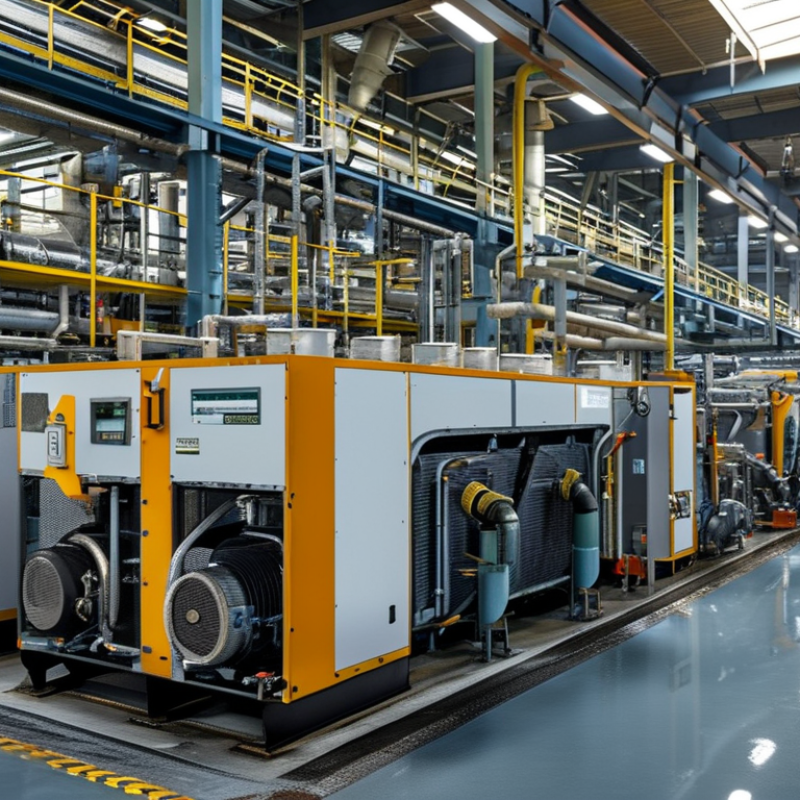
Water chiller machines play a crucial role in various industrial applications, including manufacturing, plastics, and food processing. They provide efficient temperature control to ensure product quality and operational reliability. According to the International Institute of Refrigeration, industrial cooling accounts for approximately 20% of all electricity consumed globally. This emphasizes the importance of selecting the right chiller system.
Efficient water chillers operate by removing heat from equipment or processes. These machines utilize advanced compressors and condensers to absorb heat. Reports estimate that modern chillers can reduce energy consumption by up to 30% compared to older models. Choosing a water chiller that meets specific cooling needs can significantly impact energy costs and operational efficiency.
However, many industries face challenges in optimizing cooling systems. Maintenance and system design are often overlooked. Regular service can prevent breakdowns that lead to costly downtimes. Additionally, the integration of advanced technology can enhance cooling efficiency but requires careful consideration and expertise. Continuous evaluation of these systems is necessary to adapt to changing demands and improve their overall efficacy.
Key Features to Consider When Selecting a Water Chiller
When selecting a water chiller for industrial cooling, several key features must be carefully evaluated. Efficiency is paramount. According to industry reports, chillers can use up to 30% of a facility's energy. Opt for models with high energy efficiency ratings (EER) to minimize operational costs. Look for units that comply with relevant energy standards to ensure optimal performance.
Another important factor is the cooling capacity. This is measured in tons or BTUs. Choose a chiller that matches your cooling load. An oversized unit will cycle on and off frequently, leading to inconsistent temperatures. Conversely, an undersized chiller will struggle to cool effectively, increasing wear and tear. Understand your specific cooling needs for better longevity and reliability.
Lastly, consider the maintenance requirements. A well-designed chiller should allow for easy access to components. Regular maintenance can reduce downtime and improve system longevity. According to the U.S. Department of Energy, consistent upkeep can increase efficiency by up to 20%. Balancing these factors can lead to better performance in cooling systems, yet many users overlook them. Careful attention to these details often separates a reliable system from a prone-to-failure one.
Best Water Chiller Machine for Efficient Industrial Cooling
| Model |
Cooling Capacity (kW) |
Power Consumption (kW) |
Temperature Range (°C) |
Refrigerant Type |
Noise Level (dB) |
Dimensions (LxWxH) mm |
Weight (kg) |
| Model A |
25 |
5 |
-10 to 5 |
R410A |
78 |
1200 x 800 x 1500 |
200 |
| Model B |
30 |
6 |
-15 to 0 |
R134A |
80 |
1300 x 850 x 1600 |
250 |
| Model C |
40 |
8 |
-20 to -5 |
R507A |
85 |
1500 x 1000 x 1800 |
300 |
| Model D |
50 |
9 |
-25 to -10 |
R22 |
90 |
1600 x 1100 x 1900 |
350 |
Types of Water Chiller Machines: Air-Cooled vs. Water-Cooled
When it comes to industrial cooling, selecting the right water chiller is crucial. The two primary types are air-cooled and water-cooled chillers. Each has its unique advantages and potential drawbacks. Air-cooled chillers typically have a simpler installation process. They rely on ambient air to dissipate heat. This can be an advantage in facilities with limited access to water sources.
In contrast, water-cooled chillers are often more efficient. They use water from a cooling tower or other source to absorb and remove heat. This method can result in lower operational costs. However, the system requires more complex plumbing and maintenance. Some facilities may struggle to implement this due to space constraints or budget issues.
Choosing between these two types can be challenging. Consider factors like climate and available resources. An air-cooled chiller might suffice in moderate climates. While in highly demanding environments, a water-cooled chiller may offer better performance. Assessing your needs is essential for ensuring optimal cooling efficiency. Each solution has its place, but selecting the right one can be critical for long-term success.
Factors Influencing the Efficiency of Water Chiller Machines
When selecting a water chiller machine, several factors affect its efficiency. The design of the chiller plays a crucial role. An efficient chiller uses advanced technologies that enhance heat exchange, reducing energy consumption. Choosing the right refrigerant also impacts performance. Some refrigerants are more efficient but may have environmental concerns. Opting for eco-friendly options can balance efficiency with sustainability.
The installation process is another critical aspect. Poorly installed units may lead to energy wastage and subpar performance. Ensure proper insulation in piping and connections. Regular maintenance boosts efficiency and prevents unexpected breakdowns. Scheduled checks can identify issues early, potentially saving costs on repairs.
The operational environment of the chiller significantly matters. High ambient temperatures can decrease efficiency. Consider the location of the unit and its exposure to direct sunlight. Lastly, system sizing is vital. An oversized or undersized system will never operate at peak efficiency. Adequate sizing allows for effective cooling without unnecessary energy expenditure. These factors reflect the complexity of choosing the right water chiller machine for industrial cooling needs.
Best Water Chiller Machine for Efficient Industrial Cooling
This bar chart displays the cooling efficiency of different water chiller machine models, measured in kilowatts per ton of refrigerating capacity (kW/TR). As shown, Chiller E offers the highest efficiency, making it a top choice for industrial cooling applications.
Maintenance Tips for Optimal Performance of Industrial Chillers
Proper maintenance is vital for the optimal performance of industrial chillers. Regular checks can prevent costly downtime and enhance operational efficiency. Research indicates that well-maintained chillers can operate at up to 90% efficiency. This can lead to significant energy savings, reducing operational costs by around 20% annually.
One often-overlooked aspect is the cleanliness of condenser coils. Dirty coils can reduce heat exchange efficiency, leading to higher energy consumption. Routine cleaning can improve system performance. Additionally, testing and replacing worn components promptly can prevent larger issues. Data from the International Institute of Refrigeration suggests that neglecting such maintenance can cause an increase in energy usage by up to 15%.
Monitoring refrigerant levels is crucial. Low refrigerant not only affects cooling capacity but can also lead to compressor issues, impacting production schedules. Implementing a structured maintenance schedule can significantly reduce the risk of unexpected failures. An effective strategy includes documenting all maintenance activities. This data can help identify patterns and predict future issues, ultimately improving reliability and productivity. Regular technician training enhances knowledge about evolving technologies and maintenance techniques, fostering better practices within the industry.