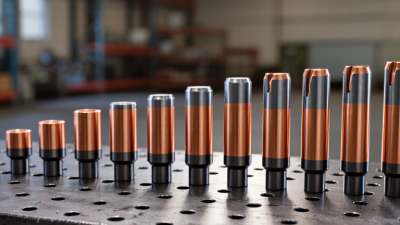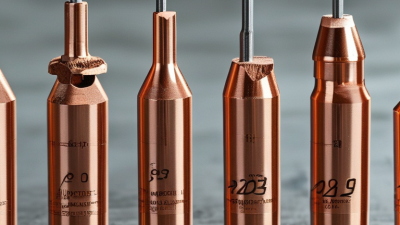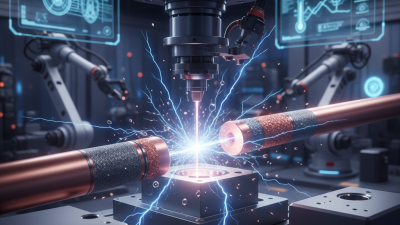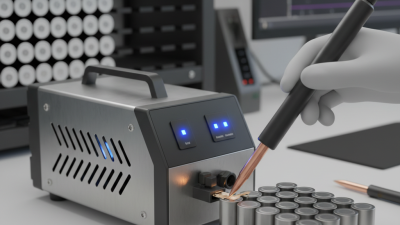
Choosing copper tungsten electrodes in 2026 means matching material performance to the job, not chasing one impressive specification. In electrical discharge machining, erosion resistance and dimensional stability matter. In resistance welding, conductivity, hardness, and heat handling can shape electrode life. Composition changes that balance. So can porosity, machining quality, and the consistency between batches. A datasheet is useful, but it cannot tell the whole story.
Powder-metallurgy authority Randall M. German has written extensively about how processing affects material properties. A practical paraphrase of that expertise is: “Choose the material for the demands of the process, not for one headline number.” Treat that as a selection principle, not a verified direct quotation. Ask suppliers for grade composition, density, hardness, conductivity, and application-specific test data. Then compare those figures with your current operating conditions, including current, pressure, cycle time, and cooling. A polished sample may look convincing on a bench. It may behave differently after repeated production cycles. That is worth checking.
This guide explains how to assess grades, compare supplier evidence, and avoid common buying shortcuts in 2026. It also considers cost over service life, because the cheapest electrode can become expensive through frequent replacement or unstable results. No single grade suits every machine. Start with the process, check the evidence, and leave room to question assumptions.
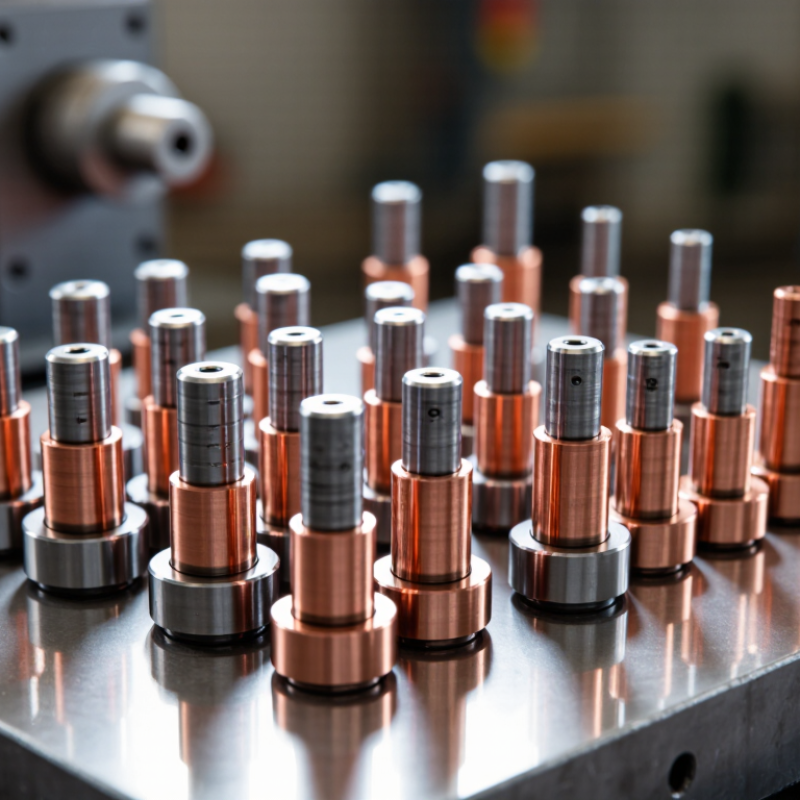
Copper tungsten electrodes combine two metals with very different strengths. Tungsten provides hardness and resistance to heat and arc erosion. Copper carries electrical current and conducts heat efficiently. The materials are usually blended as powders, compacted, and sintered; the final structure is a composite, not a uniform alloy.
The tungsten-to-copper ratio changes how an electrode behaves. More tungsten can improve resistance to wear, while more copper generally supports electrical and thermal conductivity. There is no universal best ratio. In electrical discharge machining, a fine electrode edge may need good wear resistance and stable conductivity. In a resistance-welding contact, heat transfer and contact pressure may matter more. Not a simple blend.
Composition is only part of the picture. Density, porosity, grain distribution, and machining quality can affect performance in service. A porous surface or rough corner may wear sooner than expected. Ask for measured conductivity, density, hardness, and composition—not just a grade name. Then compare those values with the current, heat, and wear conditions the electrode will face. Details matter.
I would not choose by a single specification alone. Test results from a similar application are useful, though they may not predict every setup. Even a carefully selected electrode can disappoint when alignment or operating conditions change. That uncertainty is worth keeping in mind.
Choose the electrode form around the job, not just the alloy label. For electrical discharge machining, a round rod suits drilled features, while a shaped electrode can reproduce a cavity or sharp corner. Resistance-welding electrodes need a face matched to the workpiece and contact area. Fit matters. Copper tungsten is not a universal substitute for copper alloys or pure tungsten.
Composition changes performance. ASTM B702-17(2022), a specification for copper-tungsten electrical contact materials, covers grades with roughly 10–50% copper by weight. Higher tungsten content generally favors hot-strength and wear resistance; more copper can improve electrical and thermal conduction. The International Tungsten Industry Association reports tungsten’s melting point at about 3,422°C, far above copper’s 1,085°C. That contrast helps explain CuW’s use where heat and electrical load meet, but it does not predict service life by itself. Check current, duty cycle, cooling, and the machine’s holder dimensions.
A practical selection starts with the failure you need to prevent: rapid tip wear, excessive heat, or poor feature accuracy. Ask for the grade’s composition and property data, then compare it with your operating conditions. A neat chart still misses real setup variation. I would verify one sample under the actual cycle before ordering a production batch. Check the drawing.
Match the electrode to the job, not just a catalog rating. For resistance welding, check peak current, contact pressure, duty cycle, and cooling. For EDM, consider pulse energy, electrode wear, cavity detail, and the workpiece alloy. Small changes matter. A thin electrode in a deep cavity may overheat or wear unevenly, even when its nominal rating looks suitable. ASTM B702 provides a framework for copper-tungsten product requirements; verify the grade and test basis against your application.
Temperature and conductivity need careful interpretation. The Copper Development Association lists pure copper at 100% IACS conductivity at 20°C, but a copper-tungsten composite will not match that benchmark. NIST reports tungsten’s melting point as about 3,695 K; that figure does not mean a finished electrode can safely operate near that temperature. Heat transfer, bonding, geometry, and cooling all affect service life. Ask suppliers for grade-specific conductivity, hardness, density, and test conditions, then compare them under your actual current and cycle. I would not choose on hardness alone. A brief shop trial can reveal wear, sticking, or surface marks that a data sheet misses. Keep the first trial modest, record settings, and inspect the electrode after repeated cycles.
How to Choose the Best Copper Tungsten Electrodes in 2026
Assess Manufacturing Quality, Standards, and Compatibility
Copper tungsten electrodes vary in composition, density, and finish. Ask for the tungsten-to-copper ratio and confirm it suits your process. A polished surface can look convincing, but appearance alone cannot reveal internal porosity. Request batch-level inspection records, dimensional tolerances, and material test results. A certificate helps, but it is not the whole story.
Check which material standard or specification the supplier uses, and ask for the exact designation. Requirements can differ by application, so avoid assuming one grade fits every machine. Compare electrode dimensions with your holder and verify that the material suits your current, heat load, and workpiece. One detail is easy to overlook: a small fit mismatch can affect alignment and wear. Confirming it before purchase may save rework.
Tips: Ask for a sample and measure it. Review the test report, not just the product sheet. If performance seems inconsistent, record operating settings and electrode wear; the material may not be the only cause.
| Selection dimension | What to assess | Practical selection guidance | How to verify |
|---|---|---|---|
| Application and process | Copper tungsten (CuW) is a tungsten–copper composite used where electrical or thermal conductivity is needed alongside resistance to heat, wear, or arc erosion. Typical uses include electrical contacts, resistance-welding components, and some electrical-discharge machining (EDM) electrodes. | Specify the process, operating temperature, current or pulse conditions, workpiece material, and expected wear. Do not assume one CuW grade is optimal for every EDM or electrical-contact application. | Compare the supplier’s technical data and recommended use with the actual process conditions and the equipment or tooling requirements. |
| Tungsten-to-copper ratio | Commercial compositions commonly include approximately 70/30, 75/25, 80/20, 85/15, and 90/10 tungsten/copper by weight. These are common composition ranges, not a guarantee of a particular standard designation. | As a general trend, higher tungsten content favors hardness and resistance to erosion; higher copper content favors electrical and thermal conductivity. Select by balancing the required properties rather than choosing by ratio alone. | Request the specified composition range and a lot-specific chemical analysis or material certificate. Confirm whether the stated percentages are by weight. |
| Manufacturing route | CuW is generally produced by powder-metallurgy methods, often by infiltrating a porous tungsten skeleton with copper. Process control affects uniformity, porosity, bonding, and final properties. | For demanding service, prioritize consistent composition, complete and uniform infiltration, and controlled finishing. Ask how the producer controls material throughout the part, not only at its surface. | Review the manufacturing and inspection plan. Where appropriate, request density results, metallographic evidence, or other agreed checks for internal porosity and uniformity. |
| Electrical and thermal properties | Electrical conductivity and thermal conductivity vary with composition and processing. A higher copper fraction generally increases conductivity, while the tungsten-rich structure provides refractory and wear-resistant characteristics. | Set minimum property requirements based on the current, heat-transfer, and duty-cycle demands of the application. Compare values only when test methods, units, and specimen conditions are comparable. | Request test results for the specified production lot and check the test method, units, measurement direction, and applicable acceptance limits. |
| Hardness and erosion resistance | Hardness and resistance to deformation or arc erosion are influenced by tungsten content, microstructure, and processing quality. | For severe arc or wear exposure, evaluate tungsten-rich options, while checking that their lower relative conductivity remains acceptable for the application. | Specify a hardness range and test method if hardness is a critical acceptance property. Consider application trials when service conditions are difficult to reproduce in a standard test. |
| Material standard and documentation | ASTM B702 is a specification for copper-tungsten electrical contact material. Its applicability depends on the product form and intended use; it should not be assumed to cover every EDM electrode or custom component. | State the required standard, grade or composition, product form, and edition in the purchase specification. If no suitable standard applies, define measurable acceptance criteria directly. | Request a certificate identifying the material, composition, applicable specification and edition, lot number, and agreed test results. Treat ISO 9001 certification as evidence of a quality-management system, not as proof that a specific part meets its material requirements. |
| Dimensional accuracy and finish | Electrode performance and fit depend on dimensions, straightness, surface condition, and any specified edge or feature geometry. | Provide a drawing with tolerances, datum references, surface-finish requirements, and any special features. Confirm whether tolerances apply before or after finishing. | Request an inspection report for critical dimensions and confirm that the measurement method and instrument resolution are suitable for the tolerances. |
| Machining and joining compatibility | CuW is a dense composite with a hard tungsten phase and a conductive copper phase. Machining response depends on composition, tool choice, geometry, and process parameters. | Confirm that the selected grade can be machined to the required shape and can be joined or mounted using the intended method. For unfamiliar designs, validate machining and joining on a sample. | Ask for machining recommendations and joining limitations. Inspect a trial component for cracking, chipping, distortion, or damage at the interface. |
| Operating environment | Temperature, atmosphere, cooling, contact pressure, and duty cycle can affect performance and service life. Copper can oxidize in air at elevated temperatures. | Provide the operating environment and thermal or electrical duty cycle when requesting a recommendation. Check whether cooling, shielding, or maintenance requirements apply. | Review the design limits against the actual service conditions and conduct a representative qualification test for critical or high-duty applications. |
| Lot consistency and traceability | Consistent composition and processing help maintain repeatable electrical, thermal, and mechanical behavior from one production lot to another. | For repeat orders or safety-critical service, require traceable lot identification and written change notification for material or process changes. | Check that part markings or packaging link the delivered material to its certificate and inspection records. Compare results across lots against the agreed acceptance criteria. |
Selection note: Confirm the current edition and scope of any cited standard before procurement, and define application-specific acceptance limits in the purchase specification.
Choosing copper tungsten electrodes is only half the decision; supplier reliability determines whether their performance holds over time. A low quote can hide inconsistent density, slow replacement, or limited batch traceability. Ask for certificates showing composition, density, hardness, conductivity, and dimensional tolerances.
Compare suppliers using cost per operating hour, not just price per piece. Request sample electrodes and test them under your actual current, pressure, and cooling conditions. Record wear, surface damage, and downtime; laboratory figures alone may not predict your setup. Ask for evidence. A neat certificate is useful, but it does not prove that every production batch behaves alike. Check how the supplier handles rejected lots, repeat orders, and changes in raw material. Some buyers skip this discussion, then discover that a replacement batch cuts differently. That matters.