Top 5 Process Chiller Models for Efficient Cooling Solutions?
In today's industrial landscape, maintaining optimal temperature control is vital. The process chiller plays an essential role in various applications, from manufacturing to HVAC systems. According to a report by MarketsandMarkets, the process cooling market is projected to reach $7.2 billion by 2025, driven by the growing need for energy-efficient cooling solutions. Effective temperature management not only enhances productivity but also reduces energy costs.
However, selecting the right process chiller model remains a challenge for many industries. The efficiency of chillers can vary significantly based on their design and application. For example, inefficiencies in older models can lead to excessive energy consumption. This reflects the industry’s ongoing struggle to balance operational costs with the need for reliable cooling.
As we delve deeper into the top five process chiller models, it's essential to assess not just their performance capabilities but also their long-term sustainability. Keeping abreast of technological advancements in this field is crucial. Understanding the latest innovations can help organizations make informed decisions, ensuring their cooling systems are both efficient and effective.
Overview of Process Chillers and Their Importance in Cooling Solutions
Process chillers play a crucial role in maintaining optimal temperatures across various industries. They provide reliable cooling solutions for manufacturing processes, especially in sectors like pharmaceuticals and food processing. According to a report by the U.S. Department of Energy, approximately 20% of industrial electricity consumption is due to cooling systems. This highlights the importance of selecting efficient chillers that can reduce energy usage and costs.
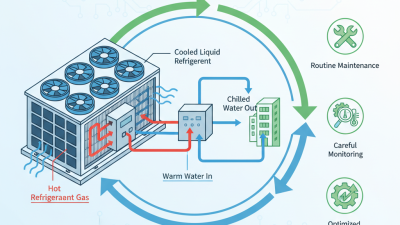
Understanding how chillers operate can help businesses select the right model. Process chillers remove excess heat from equipment or products, thus ensuring consistent performance. The efficiency of these systems has improved over the years. For instance, some modern units showcase energy efficiencies rated significantly above the industry standard. This can lead to lower operational costs over time.
When choosing a chiller, consider your specific application requirements. The cooling load and ambient conditions can significantly impact performance. Evaluating the system's energy efficiency ratio (EER) is essential. A higher EER indicates better energy performance. Regular maintenance of chillers can also enhance their lifespan and efficiency. Inspecting refrigerant levels and cleaning coils are simple yet effective tasks that yield significant benefits.
Top 5 Process Chiller Models for Efficient Cooling Solutions
| Model |
Cooling Capacity (kW) |
Efficiency (EER) |
Refrigerant Type |
Temperature Range (°C) |
Application |
| Model A |
50 |
3.5 |
R-410A |
-10 to 15 |
Industrial |
| Model B |
75 |
3.8 |
R-134A |
0 to 10 |
Pharmaceutical |
| Model C |
100 |
4.0 |
R-22 |
-5 to 20 |
Food Processing |
| Model D |
125 |
4.5 |
R-404A |
-10 to 15 |
Plastics |
| Model E |
150 |
4.8 |
R-410A |
-5 to 25 |
Textile |
Key Features to Consider When Selecting a Process Chiller Model
When selecting a process chiller model, it's vital to focus on key features that impact efficiency and reliability. Cooling capacity is crucial for meeting specific workload requirements. Evaluate the required BTU and ensure the chiller can perform consistently. A unit that's undersized may struggle, causing inefficiencies.
Energy efficiency ratings are also important. Look for models with higher energy efficiency ratios. This not only reduces operational costs but also minimizes environmental impact. Efficient chillers can lead to significant long-term savings. Installation and maintenance costs should also be considered. A more complex system might require specialized knowledge.
Here are some ideas to reflect on while choosing. Always check if the unit is compatible with your existing systems. In some cases, retrofitting might be necessary, which can complicate installation. Additionally, consider the noise level of the unit. If a silent operation is required, invest extra time in researching quieter models.
Lastly, evaluate the warranty and support options. A reliable warranty provides peace of mind in case of failures. Sometimes, manufacturers may have limitations that become apparent only after purchase. Understanding these aspects can guide better decision-making. Prioritize long-term reliability over short-term savings for optimal investment.
Top 5 Process Chiller Models for Efficient Cooling Solutions
This chart illustrates the cooling capacities of the top five process chiller models. Each bar represents the cooling output in kilowatts (kW), providing insight into each model's efficiency and performance in cooling applications.
Top 5 Process Chiller Models: A Comparative Analysis
When selecting process chillers, efficiency is crucial. Various models offer distinct advantages based on cooling capacity and energy consumption. According to a recent industry report by the International Energy Agency, the overall efficiency of chillers can vary by up to 50%. This disparity highlights the importance of a comparative analysis when making a decision.
Model A excels with a low energy usage ratio, making it ideal for large-scale operations. Meanwhile, Model B is favored for its compact design, suitable for smaller facilities. Understanding the specific cooling requirements is vital. A chiller with an inadequate capacity can lead to inefficiencies and increased energy costs.
Furthermore, long-term reliability is essential. Models that promise lower upfront costs may end up with higher maintenance frequencies, which can negate the initial savings. Regular evaluations of chiller performance are necessary to ensure that they meet evolving operational demands. Adopting a thorough evaluation process aids in identifying the most efficient solutions tailored for your needs.
Applications and Industries That Benefit from Efficient Process Chillers
Efficient process chillers play a crucial role in various industries. These cooling solutions are pivotal in sectors such as pharmaceuticals, food processing, and plastics manufacturing. In pharmaceuticals, precise temperature control is vital for maintaining product integrity during production. Here, process chillers ensure that sensitive compounds remain stable, thus protecting quality.
In the food processing industry, chillers help maintain freshness. They prevent the growth of harmful bacteria during production and storage. This is essential for compliance with health standards. Additionally, the plastics industry relies on efficient chiller systems to cool molds and improve product quality. Rapid cooling helps in achieving better surface finishes and reduces production times.
While the benefits are clear, not all chillers are created equal. Assessing energy efficiency and cooling capacities is important. Choosing the right model takes knowledge of specific application needs. It's crucial to reflect on the long-term impacts on energy costs and environmental sustainability. A thoughtful approach can lead to better operational efficiency and cost savings over time.
Maintenance Tips for Maximizing the Efficiency of Process Chillers
Proper maintenance of process chillers is vital for optimized cooling performance. Regularly checking and cleaning filters helps prevent blockages. Dirty filters can lead to reduced efficiency. Schedule routine inspections to identify potential issues early. Small adjustments, such as tightening loose connections, can improve operation.
Monitoring refrigerant levels is another key aspect. Low levels may signal leaks, which should be addressed immediately. Keeping the system clean reduces the chances of corrosion or buildup that can disrupt performance. Pay attention to unusual noises or vibrations. These can indicate underlying problems needing attention.
Understanding the chiller’s operating conditions can also enhance efficiency. Factors like ambient temperature and load variations affect performance. Regularly adjusting system settings based on these changes may yield better results. Always refer to the manufacturer’s guidelines for best practices. Adapting maintenance strategies to specific needs is crucial for long-term reliability.